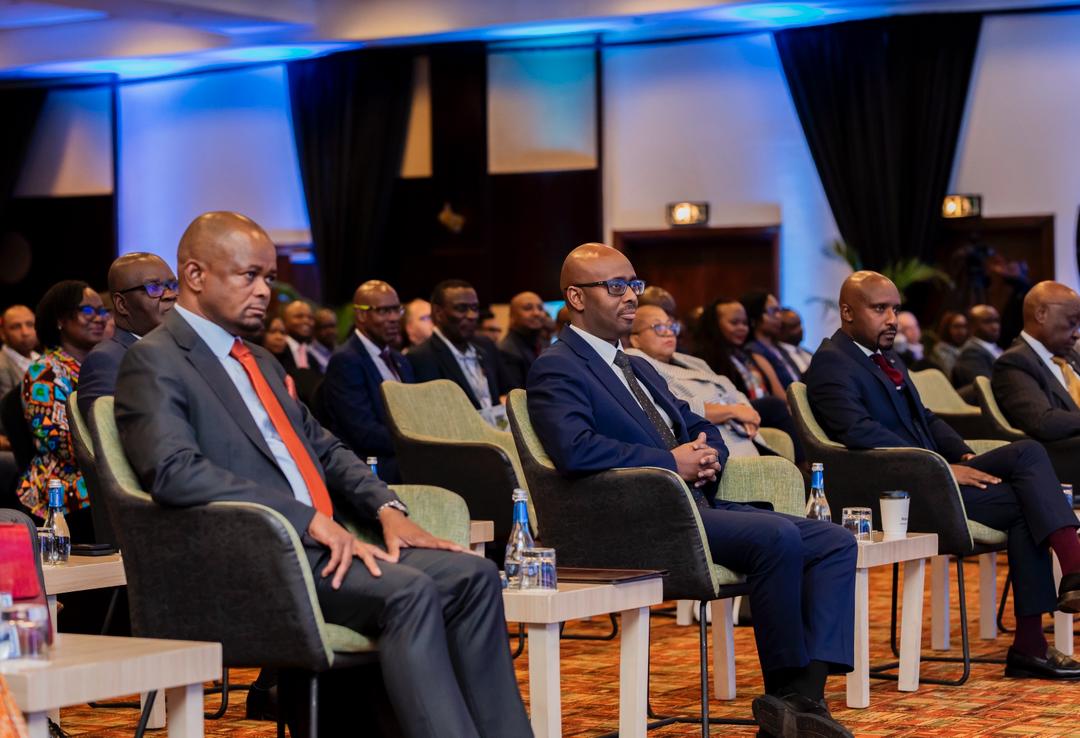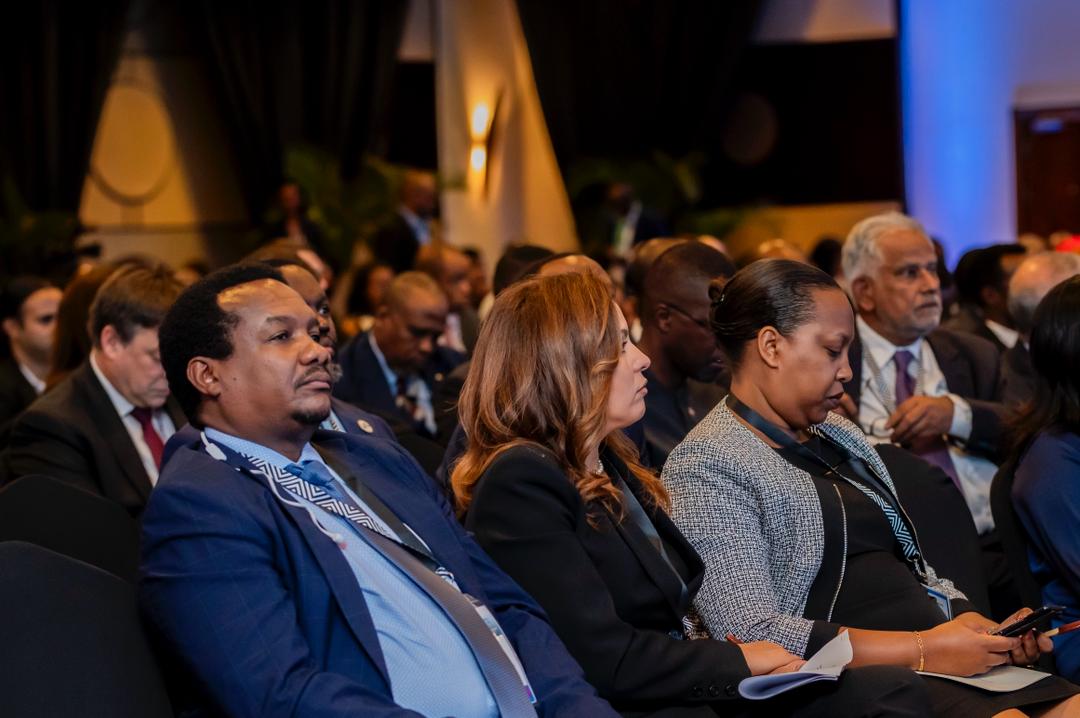
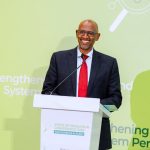
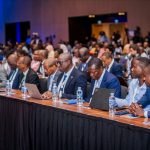

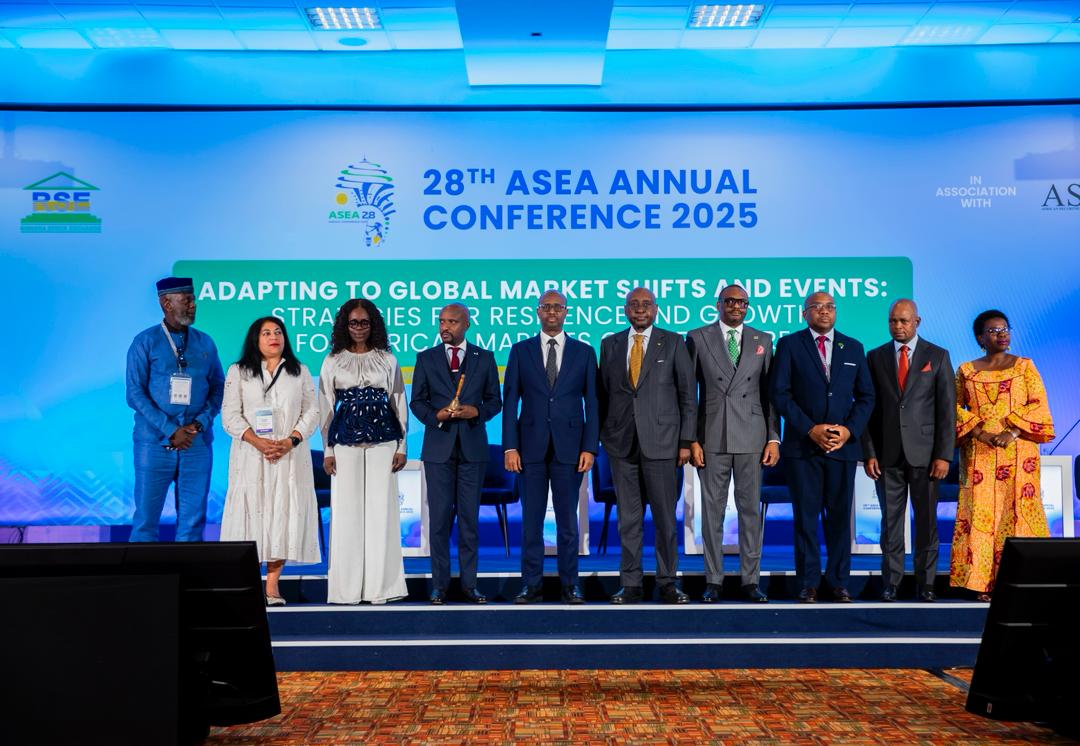
When Rwanda’s Finance Minister, Yusufu Murangwa, opened the 28th African Securities Exchanges Association (ASEA) Conference in Kigali, his message was direct and grounded in numbers: Africa is financing its future in a way that is no longer sustainable.
Murangwa warned that Africa remains heavily dependent on debt, saying, “Across our continent, bank lending still accounts for over 70 percent of corporate financing, while equity markets remain relatively shallow.”
He added that only 14 African exchanges have market capitalization above 10 percent of GDP, compared to a global average closer to 100 percent.
He argued that this imbalance threatens the continent’s ability to grow, innovate, and withstand global market disruptions.
“To empower our enterprises, we must shift our mindset from relying primarily on loans to embracing equity, risk-sharing and long-term investment,” Murangwa told delegates.
“A strong equity culture enables wealth creation and builds resilience.” He stressed that African stock markets must become the first destination for domestic savings and international capital. “Stock markets must mobilise finance for key developmental projects and support the wellbeing of our people,” he said.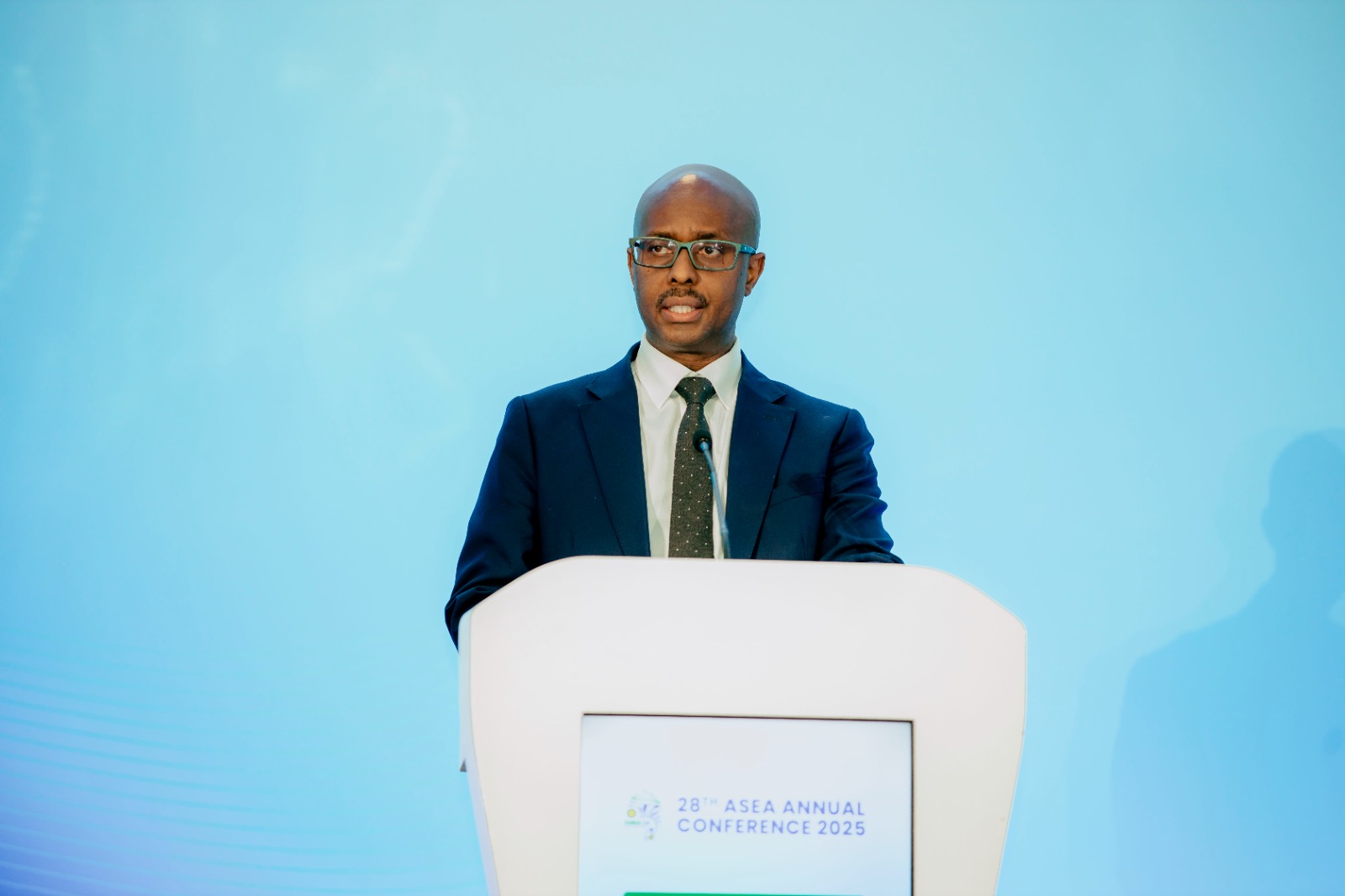
Murangwa also noted that deeper, well-regulated markets are essential for diversifying Africa’s economies, saying that strong capital markets foster entrepreneurship, innovation, and job creation.
Notwithstanding, Murangwa provided the diagnosis, and Celestin Rwabukumba, CEO of the Rwanda Stock Exchange and President of ASEA, offered a path forward.
Rwabukumba reminded delegates that Africa is already laying the foundation for integrated markets. He cited the African Development Bank’s New African Financial Architecture, saying, “One of its five pillars is ours — integrated African capital markets.”
Rwabukumba highlighted the progress underway. “The African Exchanges Linkage Project is not a dream anymore. Afreximbank calls it the most ambitious project ever undertaken to integrate African capital markets.”
He noted that PAPSS is already processing real transactions, local currency bond markets are growing, and cross-border trading infrastructure is advancing. “We are past the talking phase — we are in the doing phase,” he said.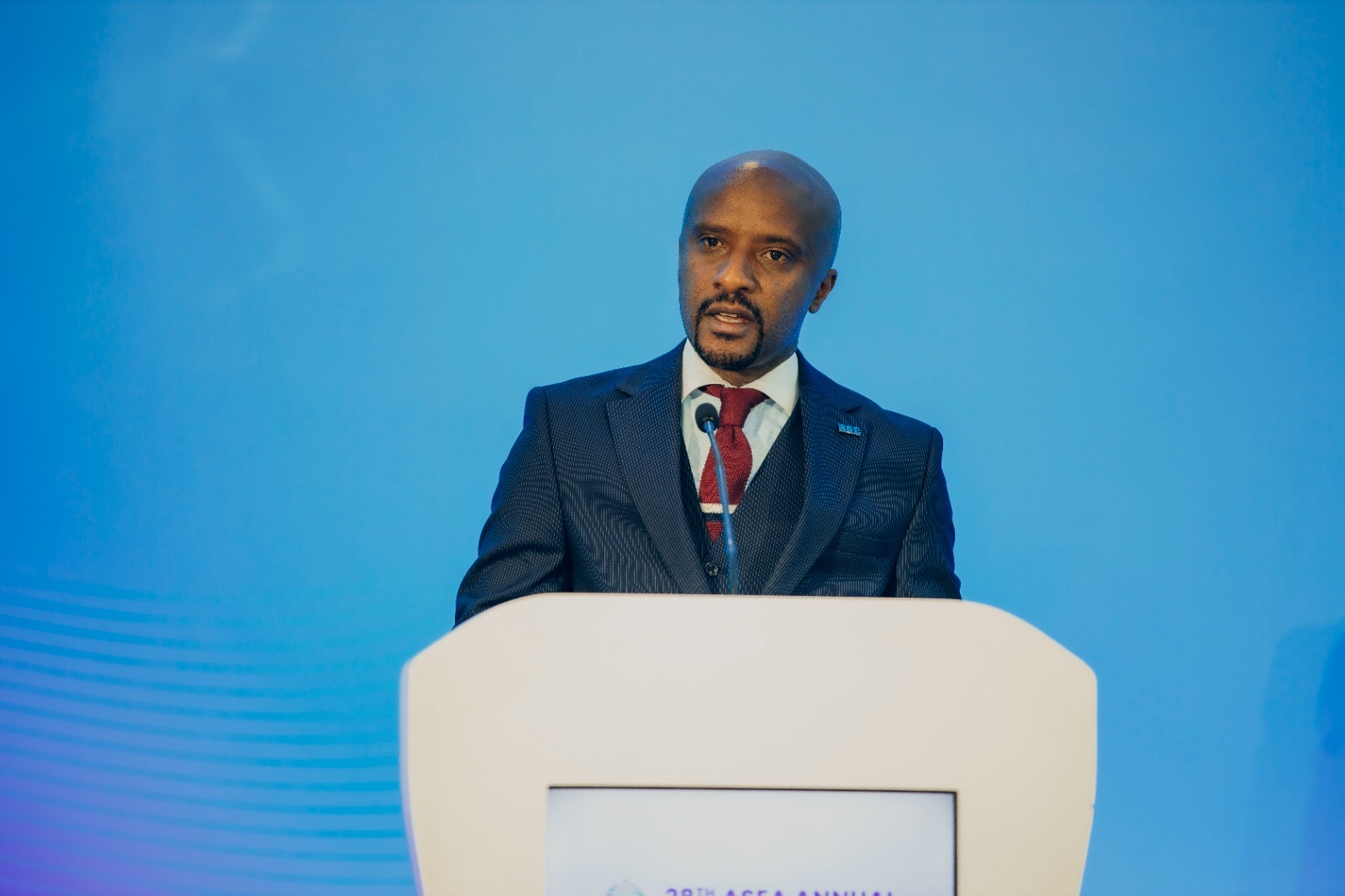
He also pointed to Rwanda’s strong governance record as a model. “Rwanda consistently ranks among the least corrupt countries in Africa,” he said, adding that the Kigali International Financial Centre, after just five years, has already become one of the top five financial hubs on the continent.
Kigali is hosting the ASEA conference as Rwanda marks the 15th anniversary of the Rwanda Stock Exchange.
Notably, Minister Murangwa cautioned that Africa’s financial markets are not adapting quickly enough to global changes.
“The world is embarking on the Fourth Industrial Revolution, while our financial markets are not keeping pace. This increasingly makes our markets more vulnerable,” he said.
He urged participants to turn the conference into a platform for real solutions. “I urge you to address the real issues facing our markets in the form of action points. If we are to be sustainably relevant in today’s world, we must achieve tangible and measurable results.”
Rwabukumba reinforced the urgency, telling delegates, “Africa’s future will be decided by the systems we build and the courage we show. One day is a dangerous phrase. One day means never.”
As the two-day conference continues, one message resonates across Kigali: Africa must build deeper, more resilient, more integrated markets if it intends to finance its own development ambitions.
The future of African finance, as Rwabukumba put it, will not be decided abroad, but here on the continent, by Africans themselves.