

Rwanda’s public transport sector is facing a severe financial crisis as the government delays payment of Rwf24 billion in fuel subsidy arrears, forcing bus operators to appeal directly to Prime Minister Dr Justin Nsengiyunva for urgent intervention.
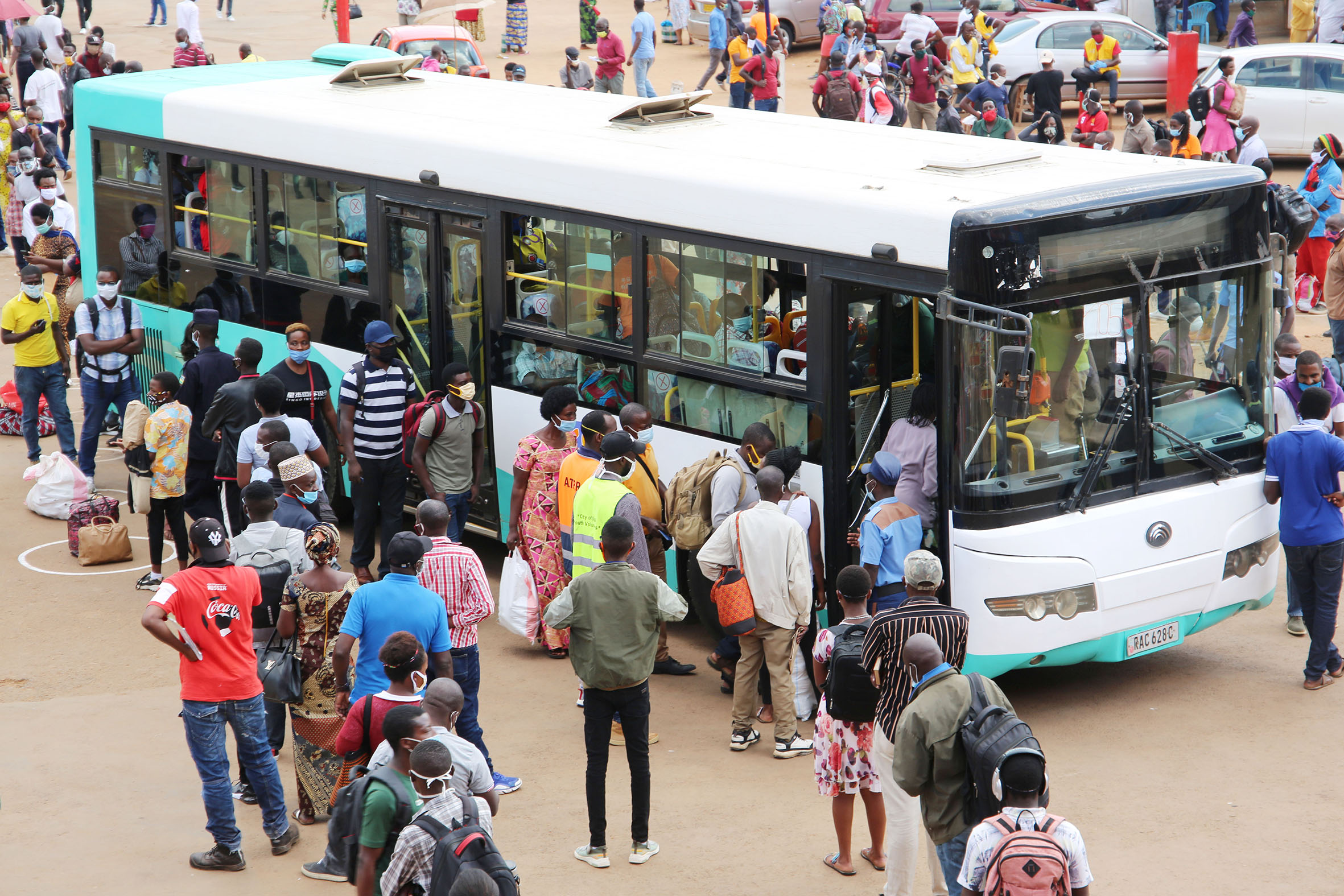
The Association of Transporters (ATPR), representing 26 companies operating over 1,200 buses and coasters nationwide, says the unpaid subsidies accumulated over the past five months have crippled operations.
The funds represent the final tranche of the government’s 30 percent passenger subsidy program, which ran from 2021 to March 16, 2024, to cushion operators from global fuel price shocks.
“We are not just late—we are on the verge of systemic failure,” said ATPR Chairman Théoneste Mwunguzi. “Banks are auctioning buses. Drivers haven’t been paid in weeks. RRA tax compliance is collapsing.”
Taarifa has seen the letter sent by ATPR to RURA, copied to the Prime Minister’s Office and the Ministries of Finance, Infrastructure, Trade, and Local Government, warning that without immediate disbursement, the entire sector risks collapse.
Bringing the attention to the Prime Minister and other Ministers, the transporters are hoping the matter will be handled swiftly, invoking a precedence in 2022 when they pleaded with State House before funds were released within hours.
It also can be interpreted either as a sign of growing desperation or as an indication of poor handling of the issue by the responsible authorities.
“The most frustrating part is their attitude. They don’t respond to letters, they don’t return emails or phone calls and text messages, there is a complete blackout in engagement, and those are the kind of people we are dealing with,” and angry transport lamented.
Meanwhile, the operators report that diesel prices have risen to 1,808 RWF per liter, up 11 percent from March 2024, while fares remain frozen at 2018 levels—a policy maintained by the Rwanda Utilities Regulatory Authority (RURA) to protect commuters.
With no subsidy inflow since April, companies such as JALI Transport, RITCO, Royal Express, and RFTC say they are suffering high losses.
RURA told Taarifa Rwanda that the delay is due to ongoing efforts to ensure accuracy in the final disbursement. “We are reconciling invoices from all 26 beneficiaries to avoid overpayment or underpayment,” a senior RURA official explained. “This is the last subsidy under the program.”
The same senior official told Taarifa today that the Rwf24 billion will be released this quarter; before the end of December 2025, confirming that the funds have been ring-fenced in the supplementary budget.
“The reconciliation is in the final audit phase,” the official said. “Funds will be disbursed this quarter,” official said.
However, operators have dismissed the explanation as inadequate. “They’ve had our certified invoices since May 2024,” one executive said. “Reconciliation is valid in theory but invalid in practice. We’re hemorrhaging cash while they treat us as a low-priority sector.”
The financial strain extends beyond transport companies. The crisis threatens 5,000 direct jobs, 2 million daily passenger trips, and about Rwf8.7 billion in annual tax revenue.
Taarifa is reliably informed that if government doesn’t clear the arrears, ATPR might organize a coordinated industrial action, including a potential nationwide bus strike before the December holidays.
Meanwhile, discussions on a fare review are underway. RURA insiders confirm that a 15 to 20 percent fare adjustment is being modeled, with plans for tiered pricing and digital ticketing integration expected to roll out in 2026.
For now, Rwanda’s transport lifeline remains under immense strain. Yet with Prime Ministerial attention, a clear commitment to release the funds, and plans to reform the subsidy system, there is cautious optimism that relief may finally be within reach.