



Rwanda has condemned the continued tolerance of genocide denial and hate speech by individuals living in European capitals, warning that such permissiveness undermines global efforts to combat extremism and protect historical truth.
The warning came from Dr. Jean-Damascène Bizimana, Rwanda’s Minister of National Unity and Civic Engagement, who said that a growing number of individuals with family ties to convicted genocide perpetrators are using social media platforms from countries such as Belgium, France, and the Netherlands to spread falsehoods about the 1994 Genocide against the Tutsi.
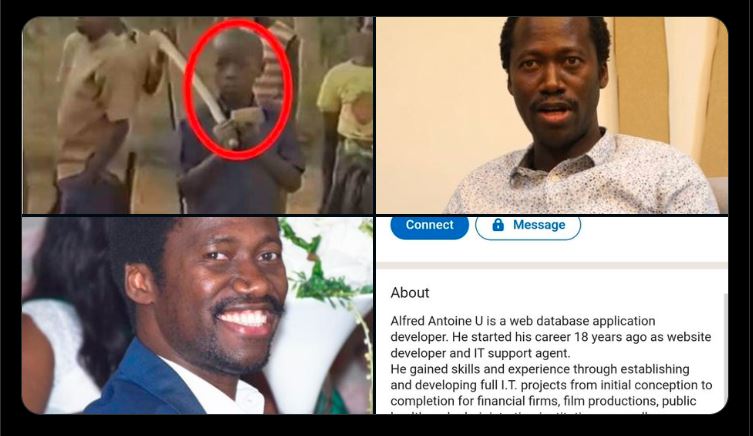
Among those cited is Uzabakiriho Alfred, known online as “Gitifu Sebatware” (@GitifuW), who the Minister identified as part of a small but vocal group using digital platforms to defame Rwanda’s leadership, trivialize the genocide, and glorify those found guilty of mass murder.
Court records show that Uzabakiriho’s parents, Uzabakiriho Bernard and Nyirabakungu Antoinette, were both convicted by Gacaca courts for their roles in the genocide committed in Butare. Bernard, a teacher at Groupe Scolaire de Butare, was sentenced to thirty years in prison for organizing killings, leading local militias, and taking part in massacres at Kabutare. His wife, Nyirabakungu, was sentenced to nineteen years for her involvement in similar atrocities. Both died while serving their sentences in Huye Prison.
Minister Bizimana said that, despite this clear historical record, their son now lives abroad and uses his online platform to deny the genocide and attack Rwanda’s unity policies. “What we are witnessing today is a transfer of genocidal ideology into the digital space,” the Minister said. “Children of convicted perpetrators are using the safety of foreign capitals to rewrite history rather than confront it. But truth cannot be erased; it is the foundation of our unity.”
He expressed concern that some European countries, particularly Belgium, continue to provide safe havens to individuals promoting genocide denial — even those related to or inspired by convicted perpetrators. “It is unacceptable that people who insult the memory of more than a million victims find refuge and protection under the banner of free speech,” Bizimana said. “Freedom cannot be used to justify hate or historical falsification.”
The Minister noted that while Rwanda has made significant progress in reconciliation, denial and extremism remain serious challenges, especially among a small group of diaspora activists. He urged European governments to recognize the moral and legal implications of sheltering such individuals, calling it a betrayal of the international commitment to “Never Again.”
“There is no inherited guilt in Rwanda,” he said. “Children are not responsible for the crimes of their parents. But when they defend those crimes, they inherit not guilt, but shame.”
Dr. Bizimana praised the many young Rwandans born to perpetrators who have instead chosen truth, unity, and nation-building. “They are living proof that healing is possible,” he said. “The future belongs to those who build, not those who distort.”
As Kigali continues to strengthen civic education and digital accountability measures, the Minister reaffirmed Rwanda’s stance that genocide denial — whether spread from inside or outside the country — remains a direct threat to peace, truth, and the dignity of survivors. “No one can claim to love Rwanda while desecrating the memory of its victims,” he said. “Reconciliation begins with truth, not denial.”