

Rwanda has urged the International Monetary Fund (IMF) and other global financial institutions to rethink how they engage with African economies, calling for country-specific, fair, and growth-oriented financing models that reflect the continent’s realities and reform progress.
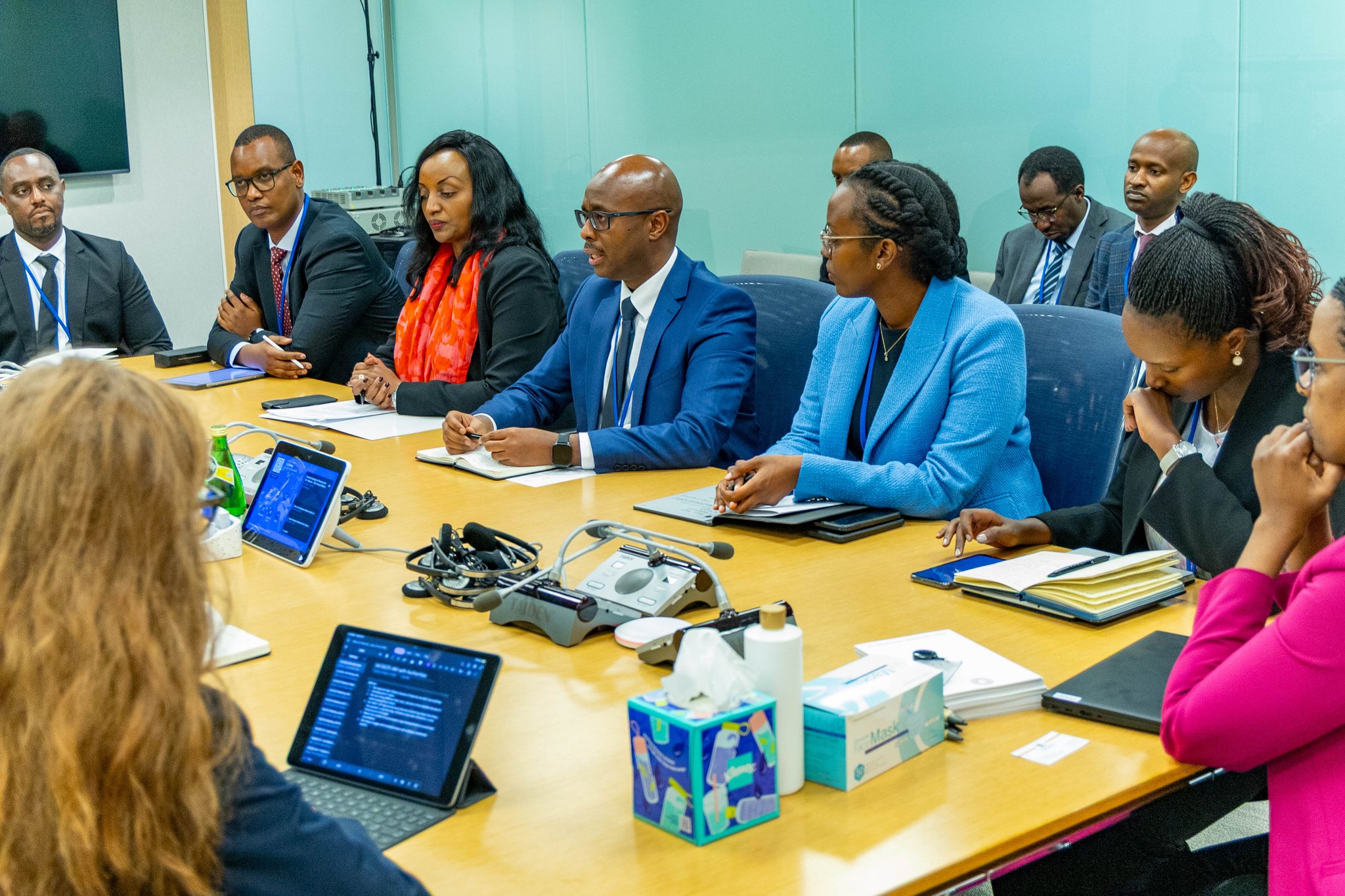
Speaking at the African Caucus session on Mobilizing Domestic Resources: The Role of the IMF, Finance Minister Yusuf Murangwa delivered a persuasive call for the Fund to move beyond broad policy frameworks and adopt tailored, high-quality advisory and financial support aligned with each nation’s unique political and economic circumstances.
“We call on the IMF to design tailored, high-quality policy advice and capacity development for African countries,” Murangwa said. “Support must fully reflect the unique challenges and realities of each country—particularly those in fragile and conflict-affected contexts.”
Murangwa noted that while African nations have demonstrated strong commitment to fiscal reforms, they continue to face tight financing conditions and limited fiscal space due to global shocks, climate crises, and rising debt service costs.
He emphasized that Africa’s development and climate financing gap—estimated at up to 20 percent of GDP—cannot be bridged without a fundamental rethink of international support frameworks. Rwanda’s message was clear: financing must empower reforms, not constrain them.
“The IMF’s strengthened engagement is essential for Africa to navigate complex challenges and sustain development,” Murangwa stressed. “Our countries are widening tax bases, rationalizing exemptions, and enhancing transparency. We need support that matches this ambition.”
Murangwa outlined a comprehensive vision for domestic resource mobilization, calling on the IMF to help African countries strengthen their tax administration systems, combat evasion, and leverage digital and AI-driven solutions to improve compliance.
“We look to the IMF for support in advancing digital solutions, improving data analytics, and ensuring African countries are not left behind in the adoption of artificial intelligence capabilities to boost compliance,” he said.
The minister also highlighted the urgent need to address illicit financial flows that drain billions from African economies each year. He urged the IMF to take a more proactive stance by providing targeted technical support and advocating internationally to stem these losses.
Murangwa further encouraged the Fund to deepen cooperation with the African Development Bank, the African Union, and other regional institutions to create a coherent and coordinated approach to fiscal reforms across the continent.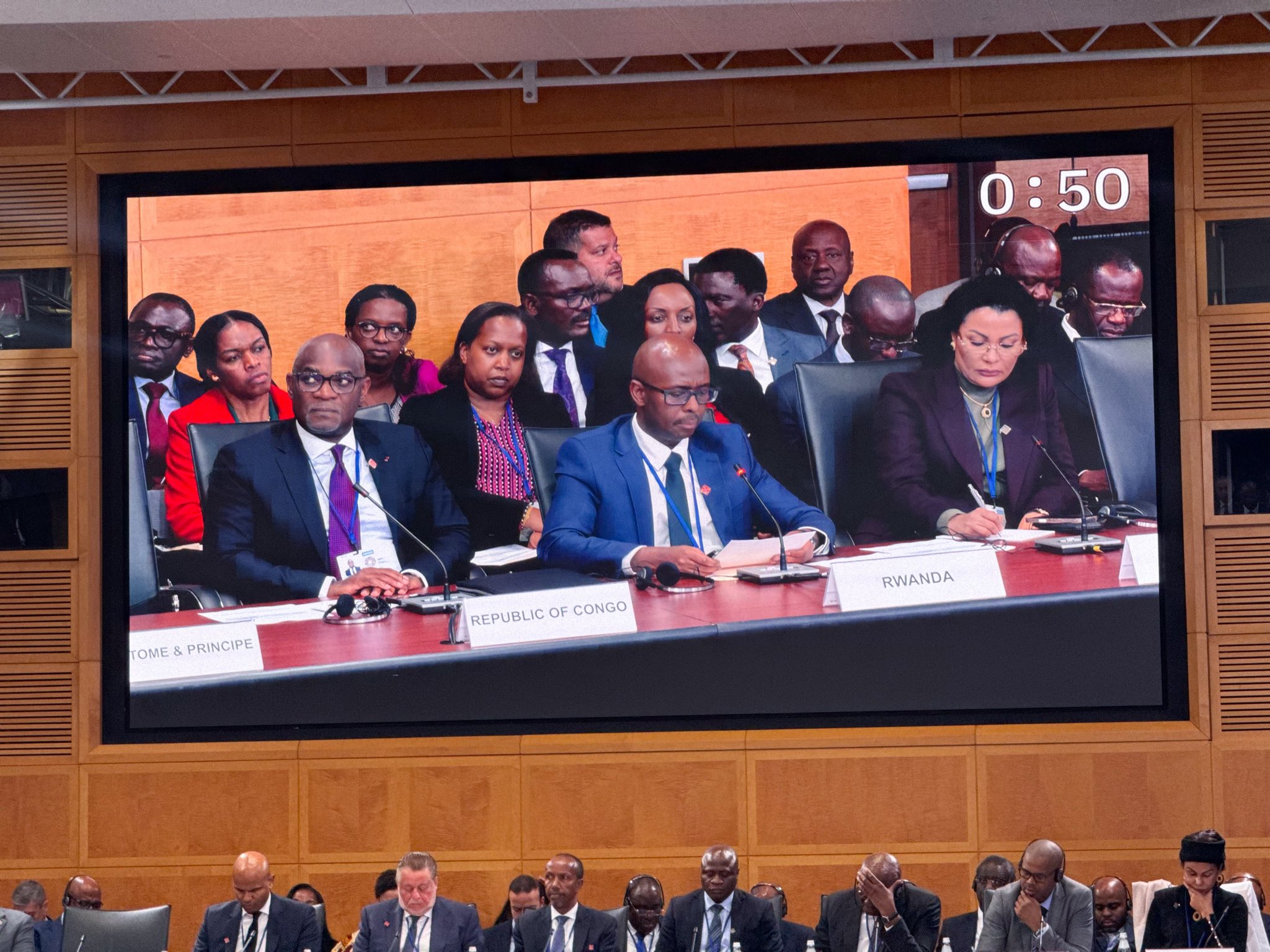
“Africa’s financing challenges demand collaboration, not competition among institutions,” he noted. “Our collective goal must be to advance sustainable, inclusive growth through coherent reform partnerships.”
Later in the week, at a high-level roundtable on credit access, Murangwa shifted his focus to the persistent issue of unfair credit ratings and the distorted risk perceptions that hinder Africa’s access to affordable financing. He argued that global rating agencies must modernize their assessment models to reflect the continent’s reform momentum.
“Africa’s credit story is evolving — and the world must evolve with it,” Murangwa said. “Outdated risk models are creating artificial premiums that punish responsibility and discipline.”
The roundtable, attended by African policymakers, development finance leaders, and rating agency executives, acknowledged the growing disconnect between perceived and actual risks in African economies. Participants agreed on the need for forward-looking assessments that reward stability, reform, and governance progress.
On the sidelines of the meetings, Kampeta Sayinzoga, CEO of the Development Bank of Rwanda (BRD), joined members of the International Development Finance Club (IDFC) — including AFD (France), BOAD, DBSA, and MIGA — to explore ways to scale up guarantees and attract private investment into Africa’s green and inclusive growth projects.
“Blended finance is no longer a choice; it’s a necessity for Africa’s transformation,” Sayinzoga said.
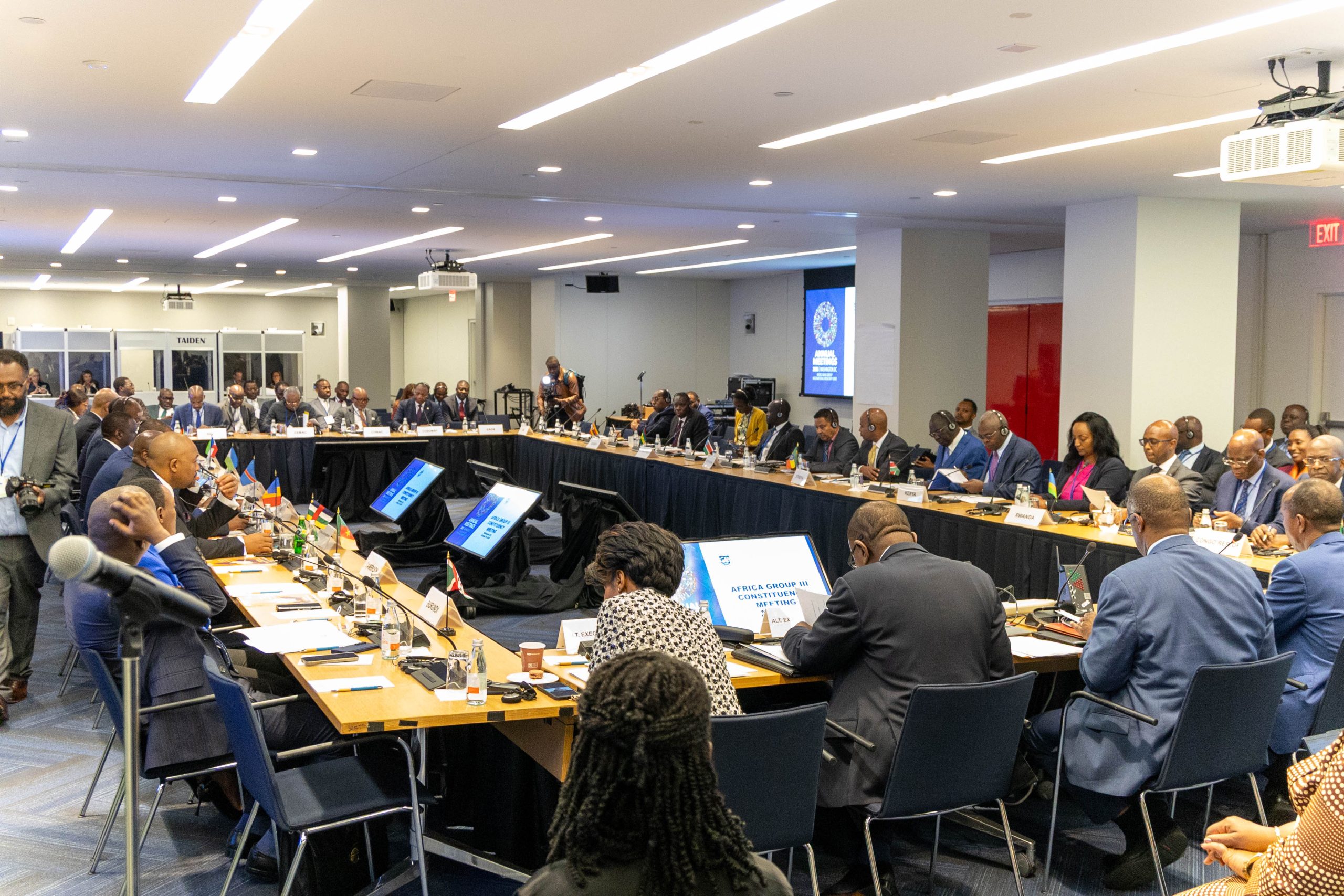
Meanwhile, Murangwa and Central Bank Governor Soraya Hakuziyaremye participated in the Africa Group III meetings, advocating for a fair quota increase for Africa within the IMF, reform of the Debt Sustainability Analysis framework, and faster implementation of African Caucus commitments.
By the close of the Washington meetings, Rwanda’s delegation had earned attention for its clarity and conviction — combining strong domestic reform credentials with assertive international advocacy.
Murangwa’s appeal captured a growing African consensus: that the global financial system must evolve from conditionality to partnership, from uniform prescriptions to context-driven support, and from risk perception to reform recognition.
“Africa is not asking for favours; it’s asking for fairness,” Murangwa concluded. “We are doing the hard work of reform — now the world must meet us halfway.”