




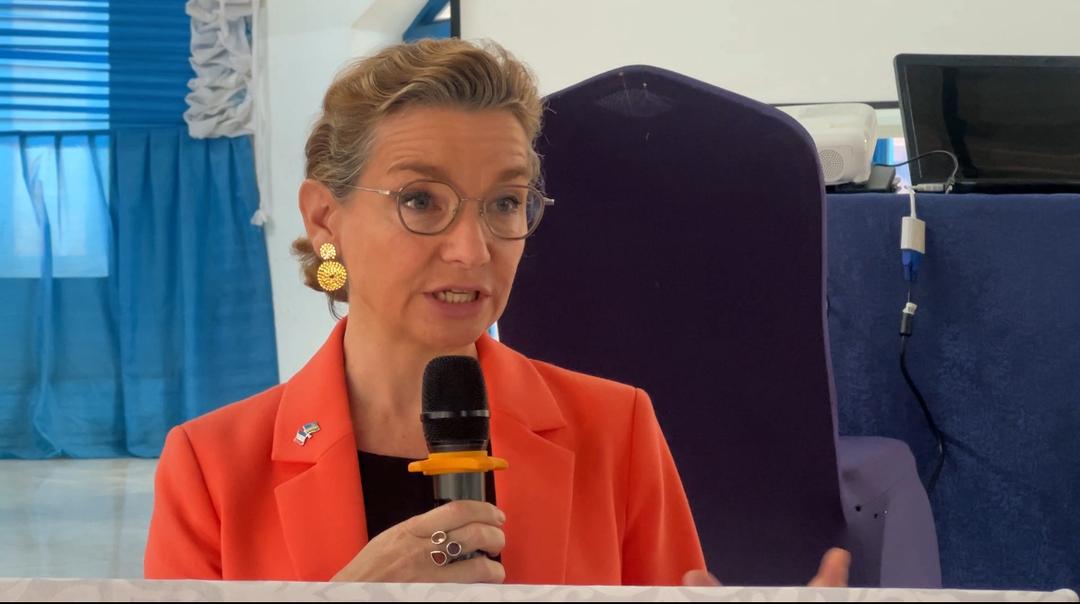
The French Embassy in Rwanda has launched a comprehensive program to train 200 French language teachers, marking a significant step in efforts to strengthen the teaching and use of French across the country.
The initiative aims to enhance both the quality of instruction and the practical application of the language in Rwandan schools.
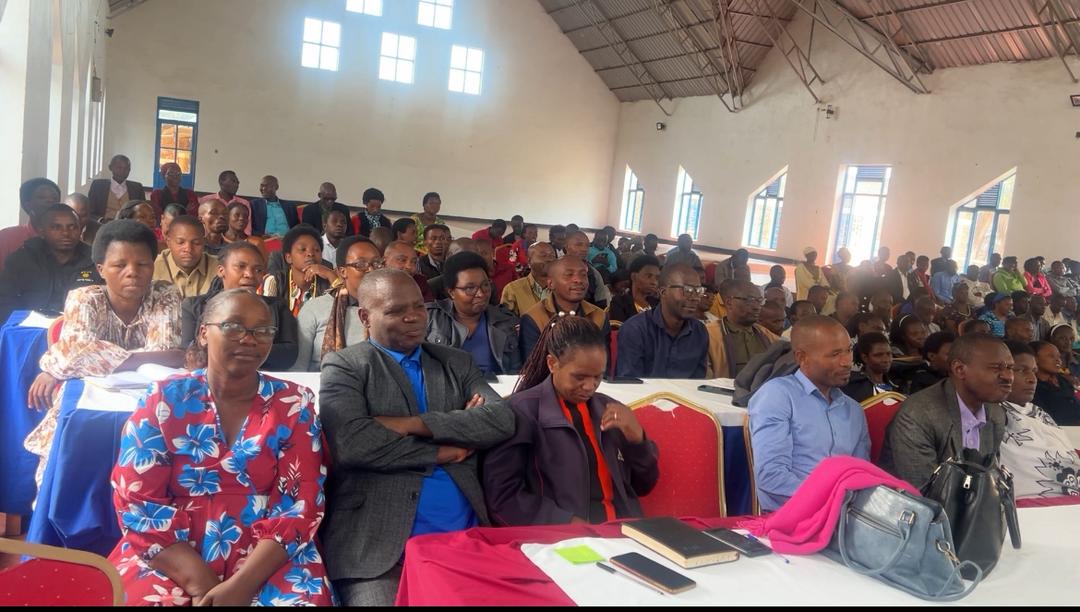
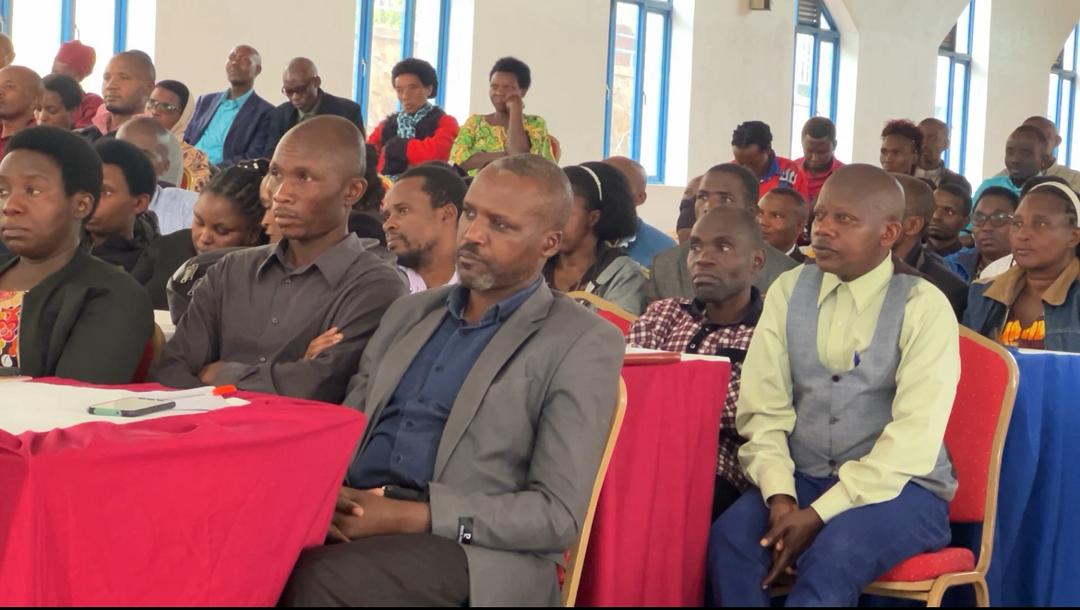
The training, which officially began in Gicumbi District, has been welcomed by teachers who expressed optimism that it will help address persistent challenges in the teaching and learning of French.
Many participants said they expect the program to provide new approaches, materials, and skills that will make the language more engaging and accessible to students.
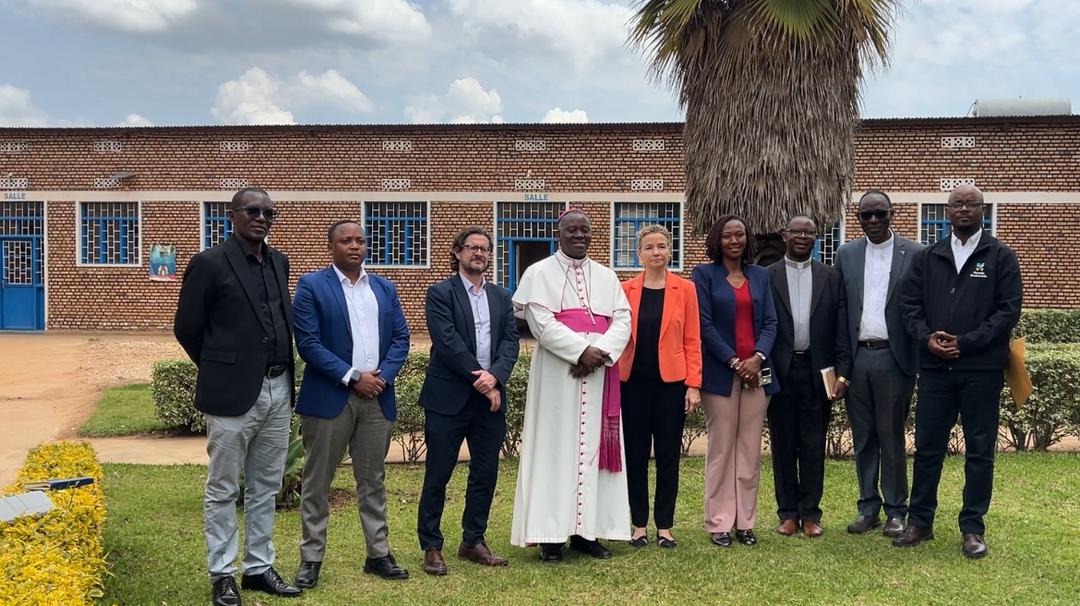
Speaking during the launch ceremony, the French Ambassador to Rwanda, Aurélie Royet-Gounin, described the initiative as an opportunity and a shared benefit for both nations.
She said that having more people who speak and use French in their daily lives will further strengthen ties between Rwanda and France while promoting cultural and professional exchange.
According to the Ministry of Education, the program is part of a wider national strategy to enhance language education, with plans to train 2,000 teachers over the next three years.
The approach reflects Rwanda’s determination to build a skilled teaching workforce capable of nurturing fluency and excellence in French among students.
The training will focus on modern teaching methods, curriculum development, and practical classroom engagement techniques.
It will also serve as a platform for teachers to share experiences and strengthen collaboration within Rwanda’s education sector.
Education officials noted that the initiative supports Rwanda’s long-term vision of producing globally competent citizens.
Proficiency in French not only improves academic outcomes but also opens doors to higher education, employment, and international partnerships across the Francophone world.
The French Embassy reaffirmed its commitment to supporting Rwanda’s education sector, emphasizing that the initiative is part of broader cooperation between the two countries in promoting language, culture, and knowledge exchange.