




Apparently, we missed the memo that “we live in danger.” You all read the Canadian Travel Advisory on Rwanda.
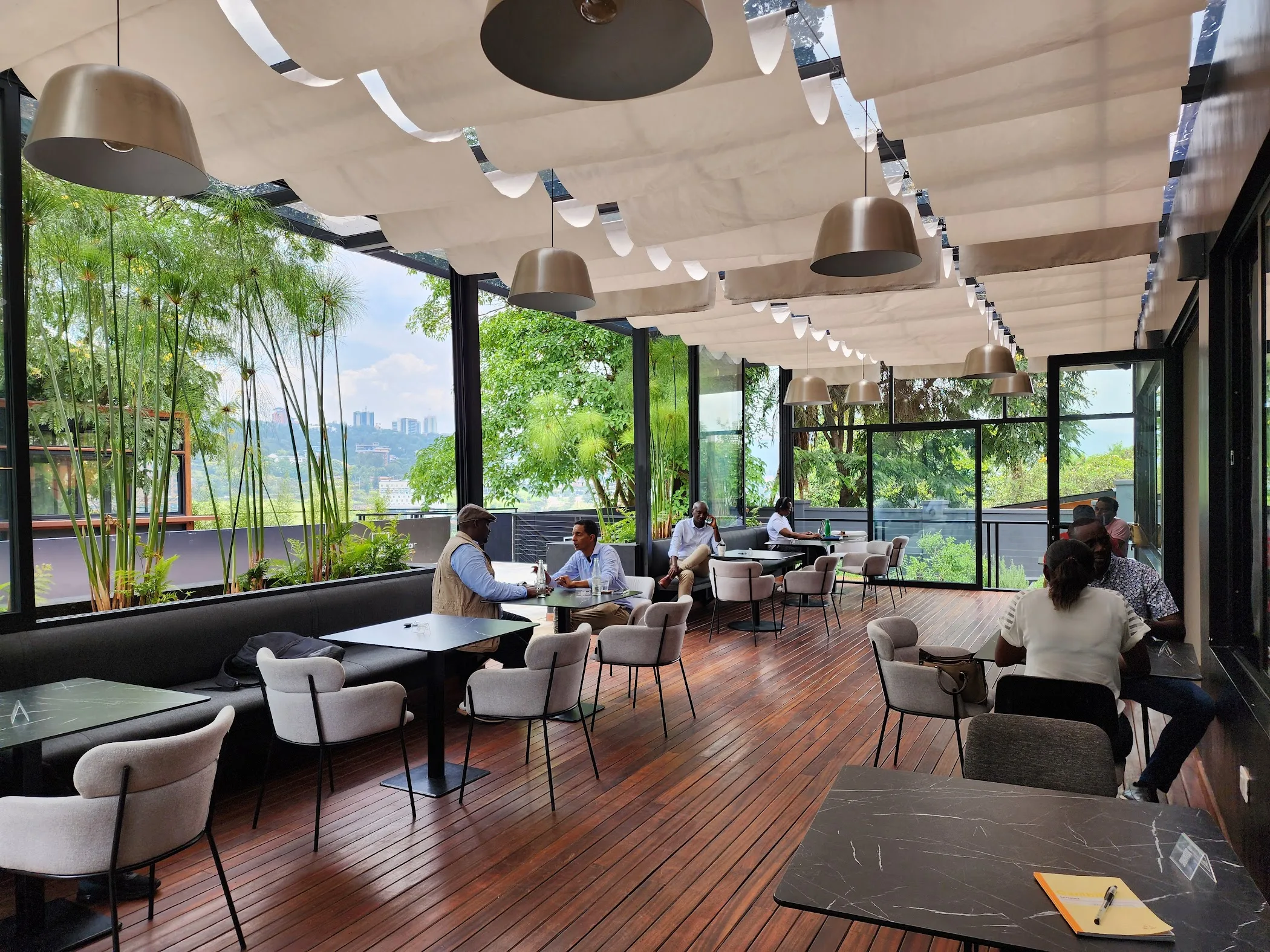
It’s always fascinating when people write about Rwanda as though it’s a mysterious, unstable frontier; while sipping coffee at a Kigali café, using free Wi-Fi, and posting photos of spotless streets and safe streets.
Let’s be clear: Rwanda is not heaven, and we don’t claim perfection. But it is a gem in its own league; small, organized, peaceful, and relentlessly self-disciplined.
So when a foreign travel advisory describes “armed robberies”, “cyberattacks”, and “volatile borders”, one wonders if the authors actually left their home or hotel; or they just copy, cut and pasted a paragraph meant for somewhere else. Either way, it’s done in both bad faith and antagonistic intent.
The English man says that “it is easy to see the speck in your neighbor’s eye, but hard to recognize the log or in your own.”
For the record:
The last organized armed robbery in Rwanda happened about twenty years ago; the culprits were neutralized on the spot.
It is legal to own a firearm, but barely 0.1% of civilians hold one, usually licensed collectors or retired officers. Guns are almost exclusively in the hands of the police and military.
And no, a street mugging is not an armed robbery; confusing the two is like mistaking a mosquito bite for malaria.
Even more telling, the Canadian ambassador herself; Julie Crowley, High Commissioner for Canada in the Republic of Rwanda; a very cordial diplomat, is a frequent traveler across the country, unescorted, comfortable, and safe. In Kinyarwanda we say, umuntu ni mugari (a person is multidimensional; they hold multitudes), we can’t explain what was her motive.
The thing is, Rwanda remains the only country in the region where a diplomat, tourist, or senior official can drive from one border to another, at any hour, without security detail.
It is also deeply ironic that such outlandish remarks about Rwanda’s safety come from the representative of a country that, not long ago, was calling for global condemnation and sanctions against Rwanda for simply taking defensive measures after the Congolese army shelled Rwandan territory in February this year when M23 were flashing out thousands of European mercenaries and SADC soldiers and the FARDC.
With that reality check out of the way, let’s separate fiction from fact.
1. Regional Risks: Rubavu and Rusizi
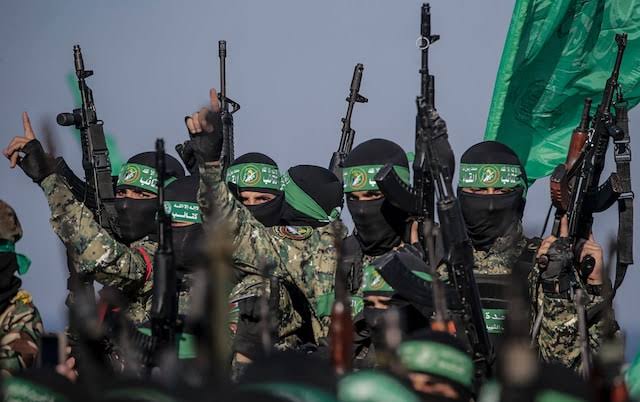
Myth: Portions of Rubavu and Rusizi districts are unsafe due to rebel groups near the DRC border.
Reality: The risk is geographically limited to areas within about 10 km of the DRC war frontier deep inside Congo. There are no rebel incursions inside Rwanda, and towns such as Gisenyi, Kamembe, and Rusizi remain calm and under full government control. The Rwandan Defence Forces maintain complete territorial security; border vigilance is preventive, not reactive. Let me add this: I am a frequent traveler to Goma. Take it from me, it’s safer than London. Pun intended!
2. Volcanoes National Park
Myth: Visitors should exercise “extreme caution” due to rebel presence.
Reality: There are no rebel threats inside Rwanda’s Volcanoes National Park. All trekking areas are secured, demarcated, and managed by the Rwanda Development Board (RDB). Over 100,000 visitors safely enjoy gorilla trekking annually. Rwanda’s national parks are among the safest in Africa.
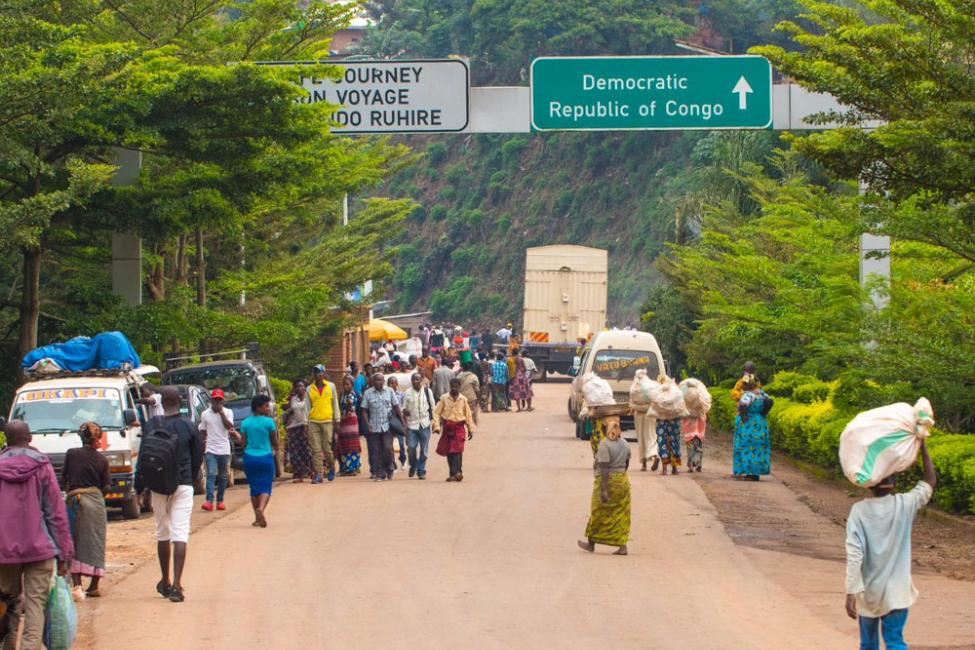
3. Border with the DRC
Myth: The border is volatile and unpredictable, with possible shelling or closures.
Reality: Instability lies on the Congolese side, not within Rwanda. Border towns are peaceful, and crossings such as Goma–Gisenyi and Kamembe operate normally. Temporary slowdowns may occur during regional tensions, but Rwanda’s internal stability is unaffected. Is this not public knowledge?
4. Crime
Myth: Armed robberies and violent crime are common, even in Kigali.
Reality: Rwanda has one of the lowest violent crime rates in Africa. Most incidents are petty thefts like pickpocketing or phone snatching. Armed robberies are virtually nonexistent. The country’s extensive CCTV network, strong community policing, and rapid response ensure security. Diplomats and tourists move freely, unescorted, day and night — an everyday normality that speaks louder than any advisory.
5. Public Safety and Night Movement
Myth: Traveling after dark or outside major cities is unsafe.
Reality: Rwanda is perhaps the only country in the region where one can drive safely across the country at any hour. Highways are well-lit, patrolled, and covered by 4G LTE internet. There are no curfews or security restrictions. By 10 p.m., nearly 80% of Rwandans are asleep, reflecting a disciplined, peaceful society rather than insecurity. Rwanda’s debate today isn’t about crime; it’s about whether to extend the night economy from 1 a.m. to 4 a.m. That conversation alone shows the country’s confidence in its own safety.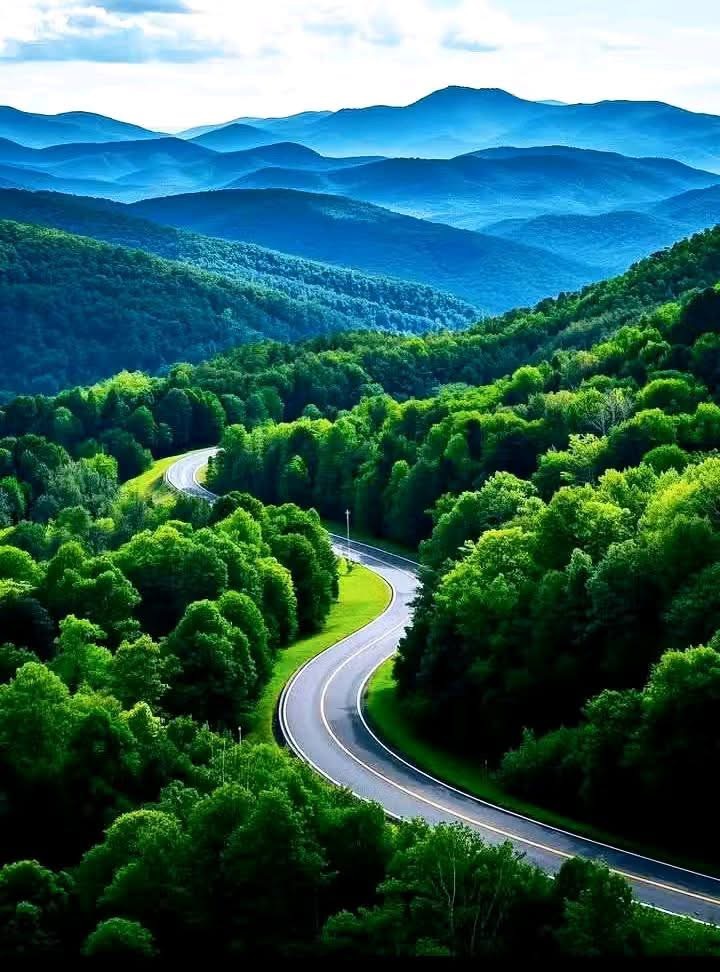
6. Road Safety and Roadblocks
Myth: Roadblocks and reckless driving make travel risky.
Reality: Rwanda’s road network ranks among the best maintained in Africa. Speed cameras, traffic signage, and disciplined enforcement make road travel orderly. Police checkpoints are routine security checks; they exist to maintain safety, not to signal unrest.
8. Cybercrime
Myth: Rwanda faces widespread cyberattacks and online extortion.
Reality: Rwanda is a continental cybersecurity leader. It hosts the Smart Africa Secretariat, the Africa Cyber Defense Forum, and operates a National Cybersecurity Agency. Ordinary online scams exist everywhere, even in Canada, but Rwanda’s cybercrime rate is lower than the regional average.
9. Demonstrations and Protests
Myth: Protests are frequent and may endanger visitors.
Reality: Public gatherings require prior authorization and are rare and peaceful. Rwanda values stability, dialogue, and social harmony. Tourists are highly unlikely ever to encounter a protest, let alone be affected by one. That’s not how Rwandans protest. They don’t go to the streets. This is also problematic, the diplomats say we have no freedom of expression and rights to protest. Ha? They are always looking for a gold to mine.
10. Adventure Tourism
Myth: Outdoor activities are risky due to unmarked trails or poor preparation.
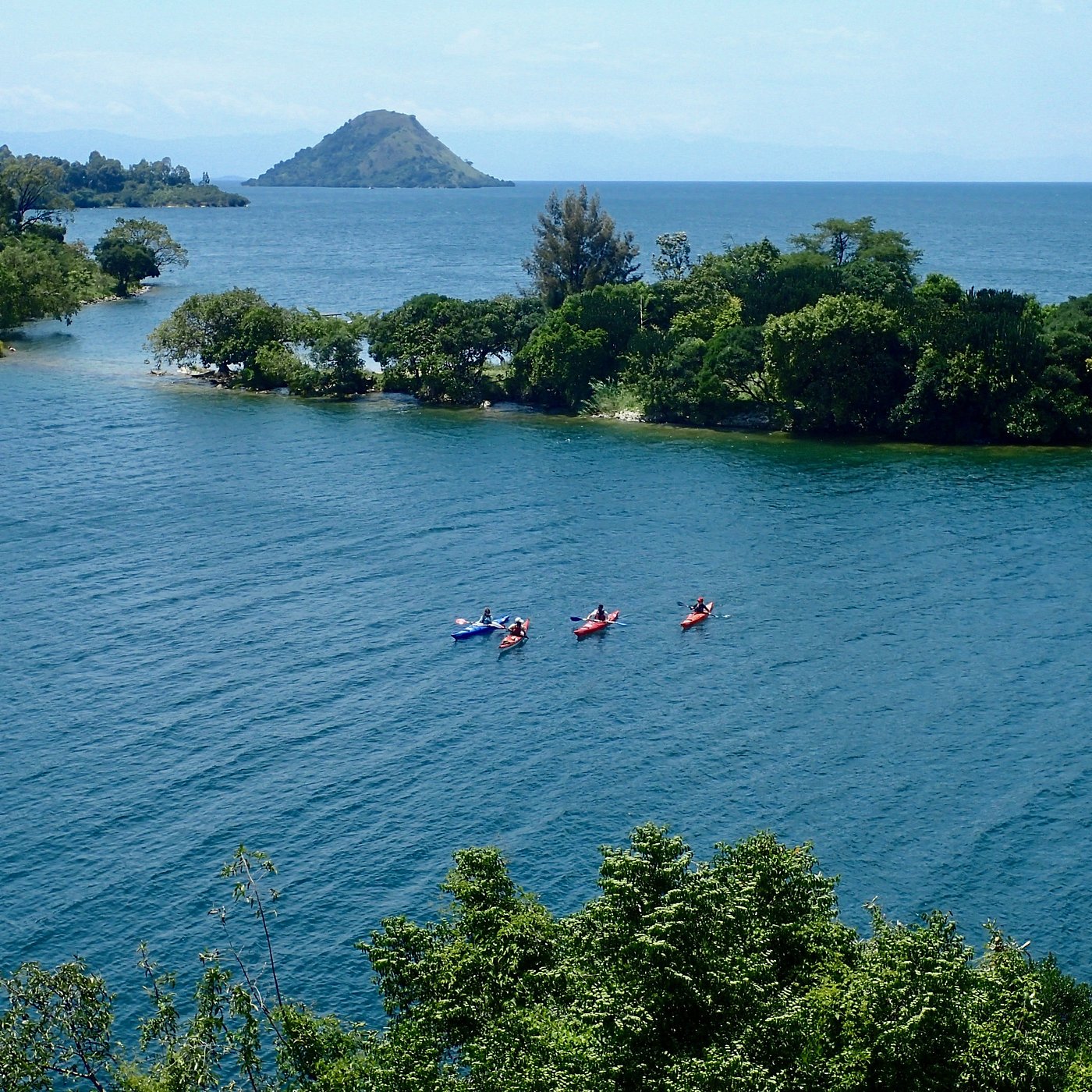
Reality: Adventure tourism in Rwanda is professionally managed and regulated. Licensed guides, emergency coordination, and clear signage ensure safety. Gorilla trekking, hiking, visiting public parks, cycling, and kayaking all operate under international standards with excellent safety records. I am not sure where the author of the advisory note does the adventure from, I would love to try it.
11. Water Supply
Myth: Water shortages are common and disrupt travel.
Reality: Seasonal dry periods can reduce water levels, but cities and hotels have reliable reserves. Infrastructure under the WASAC program has dramatically expanded water access nationwide. Visitors rarely experience shortages. Unless Canadian tourists visit the wilderness only, somewhere in the middle of Nyungwe forest.
12. Public Transport
Myth: Public transport is unsafe.
Reality: Rwanda’s public transport system is modern and regulated. Motorcycle taxis are licensed and trackable; passengers are provided helmets by law. Buses use cashless payment and GPS systems. The system is safe, affordable, and highly organized. They are always packed. Unless that’s the worrying part the advisory note talks about.
13. Air Travel
Myth: Rwanda’s domestic aviation safety is uncertain.
Reality: RwandAir is IATA-certified and adheres to international aviation standards. Kigali International Airport consistently ranks among the top ten safest and most efficient airports in Africa. Rwanda’s aviation sector is recognized for punctuality, professionalism, and expansion. Oh, you can’t fly drones unless you’re licensed. We also have our mythical agataro, for those whose ancestry is Gisaka (please read about it).
14. Nightlife and the Economy
Myth: Rwanda shuts down completely at night.
Reality: The night economy currently closes around 1 a.m., by regulation rather than risk. Kigali and other cities remain calm, safe, and welcoming after dark. Businesses and cultural hubs operate freely, and there is public discussion about extending hours to 4 a.m. — hardly the behavior of a fearful society.
15. Regional Tensions
Myth: Rwanda is unstable due to tensions with the DRC.
Reality: Yes, Rwanda is in the middle of a hostile neighborhood. Burundi and Congo keep us one eye closed while the other open when we go to bed. But all diplomats receive constant briefings and they know Rwanda remains one of the most stable, peaceful nations on the continent. Regional issues have not affected domestic peace or tourism. The country hosts major global conferences, sporting events, and summits with full security and order. That ambassadors and visitors travel across Rwanda without escorts is not rhetoric; it is proof.
I am not a government spokesperson, and I don’t want to sound like one. I wanted to call out the unscathed Canadian diplomat for misleading the world in issues I am well informed about.
The safest traveler in Rwanda is the one who looks around, observes, and realizes that the loudest alarm bells about the country usually ring from far outside it.
Your Excellency Ambassador Julie Crowley, you owe me a coffee for such a gaffe!
Have you been at Kivu Noir? Their coffee is arguably the best in town.