





Rwanda’s ambition to electrify one-fifth of its bus fleet by 2030 will require major investments in energy infrastructure, clear policy frameworks, and innovative financing, according to a new World Bank report.
Titled Exploring Enabling Energy Frameworks for Electric Mobility in Rwanda, the report assesses the readiness of Rwanda’s power sector to support the growing adoption of battery electric buses.
Prepared under the Rwanda Urban Mobility Improvement Project (RUMI) with support from the World Bank’s Quality Infrastructure Investment (QII) Partnership and the Energy Sector Management Assistance Program (ESMAP), the study provides an in-depth analysis of electricity demand, charging infrastructure, regulatory frameworks, and policy recommendations to align energy and transport systems sustainably.
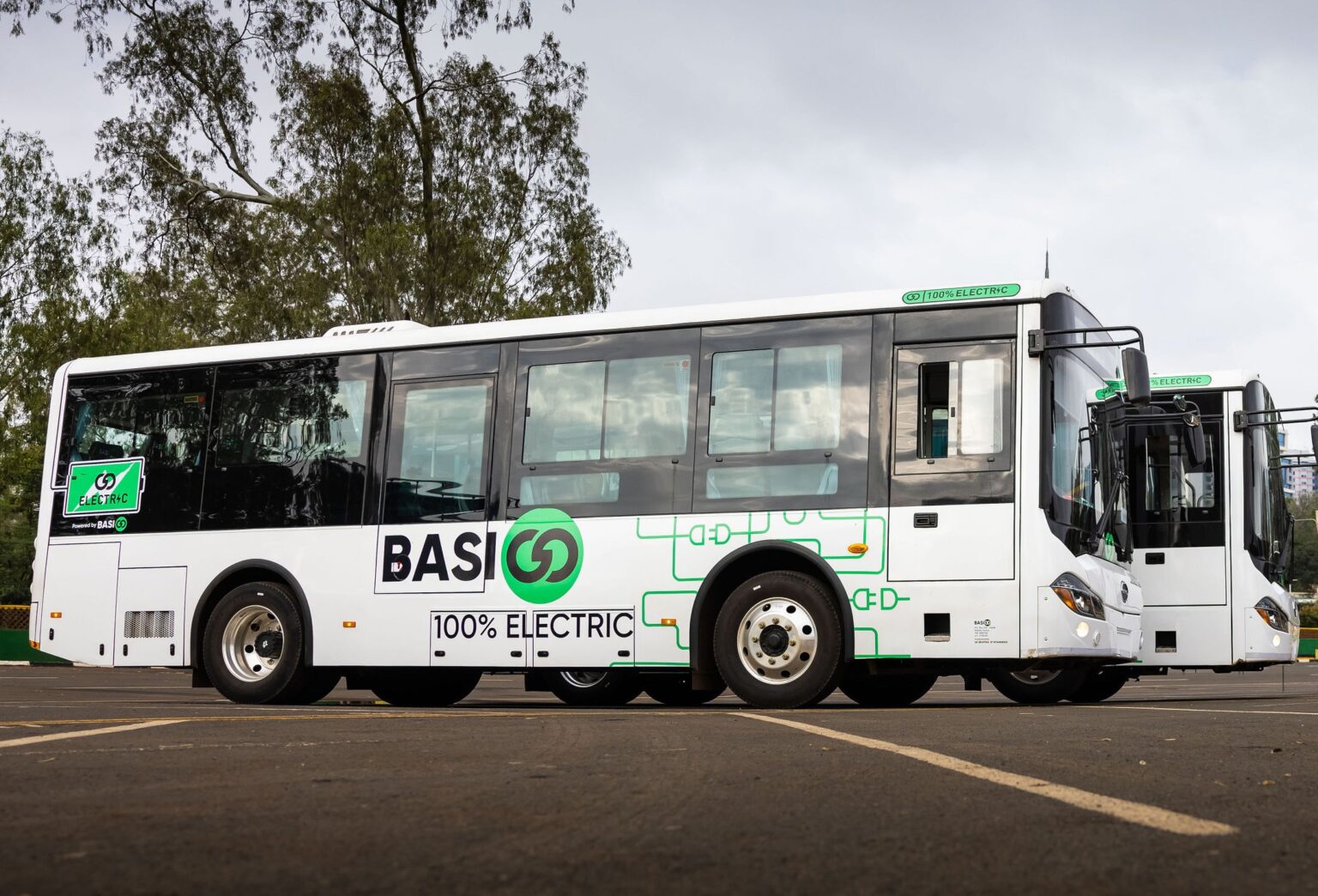
Rwanda has positioned itself as a continental leader in electric mobility. The government has committed that all new buses in Kigali will be electric, building on early investments where private operators have already deployed electric buses and charging stations.
To drive this transformation, the state-owned Ecofleet Solutions has been established to modernize public transport in Kigali through smart, green mobility. These efforts are anchored in Rwanda’s National Strategy for Transformation (NST2) and the country’s broader climate commitments under the Paris Agreement.
“Electric mobility is not only about cleaner buses. It is about building the foundations of a modern economy powered by sustainable energy,” said Sahr Kpundeh, World Bank Country Manager for Rwanda.
The report warns that scaling up electric mobility could strain Rwanda’s electricity grid. Kigali’s peak power demand is projected to increase by 64% by 2030, even without electric vehicles; adding EVs could quadruple the number of overloaded lines unless upgrades and smart charging measures are implemented. Smart charging—shifting charging to off-peak hours and aligning with solar generation—could reduce stress on distribution networks by up to 15%.
“Electrifying transport presents Rwanda with a generational opportunity to modernise public mobility, reduce emissions, and build resilience into its energy systems,” said Tarek Keskes, World Bank ESMAP Energy Specialist leading the study.
The report also emphasizes cost-reflective, time-of-use tariffs, stronger inter-institutional coordination, integration of EV charging into national pricing models, EV-ready infrastructure in new buildings, strategic grid upgrades at transit hubs like Nyabugogo Terminal, and sustainable battery recycling frameworks.
Blended finance, public-private partnerships, and green bonds are identified as key mechanisms to mobilise investment at scale.
“The Government of Rwanda is committed to accelerating the transition to electric mobility as part of our climate and development agenda,” said Dr. Jimmy Gasore, Minister of Infrastructure.
The report concludes that Rwanda is well-positioned to lead electric mobility in Africa, but success will depend on careful coordination of transport and energy policies, innovative financing, and robust infrastructure planning.