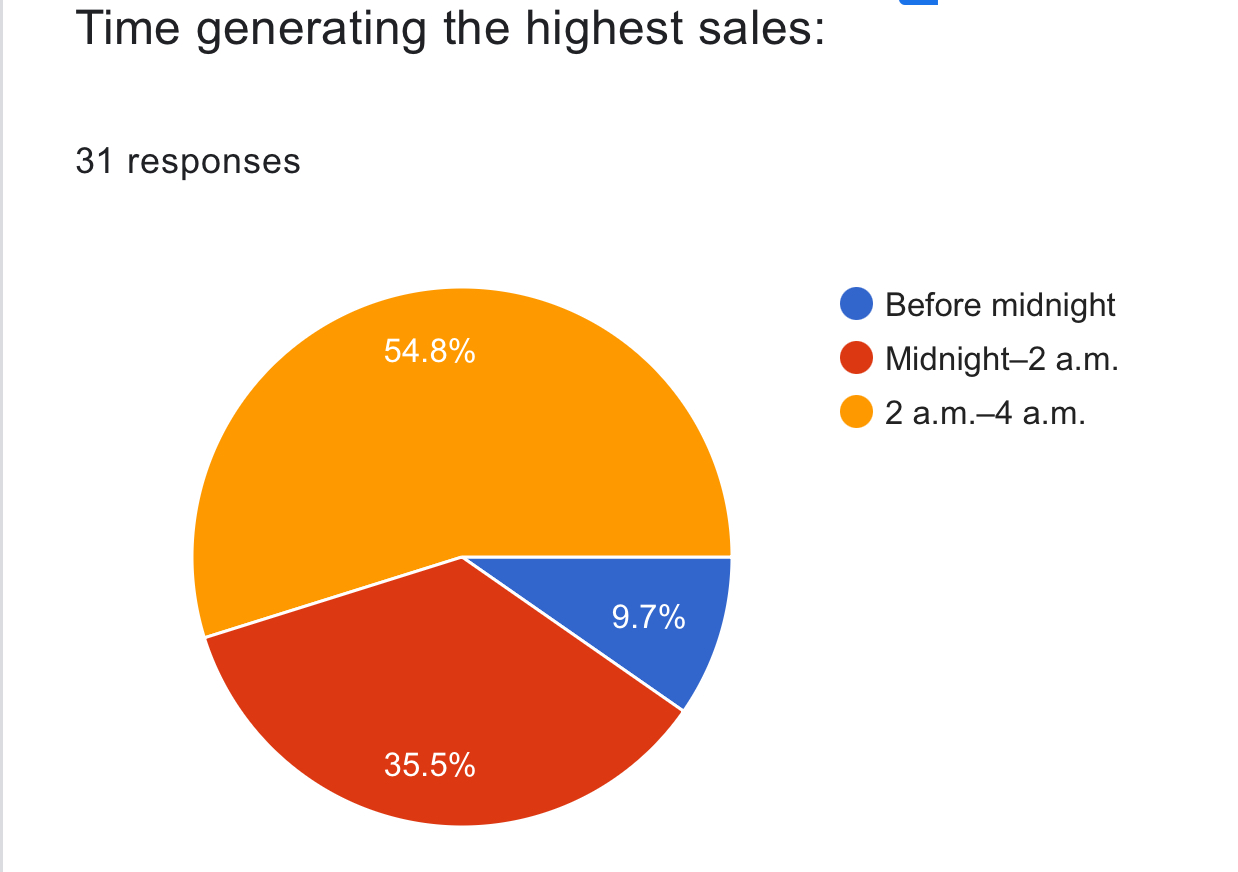






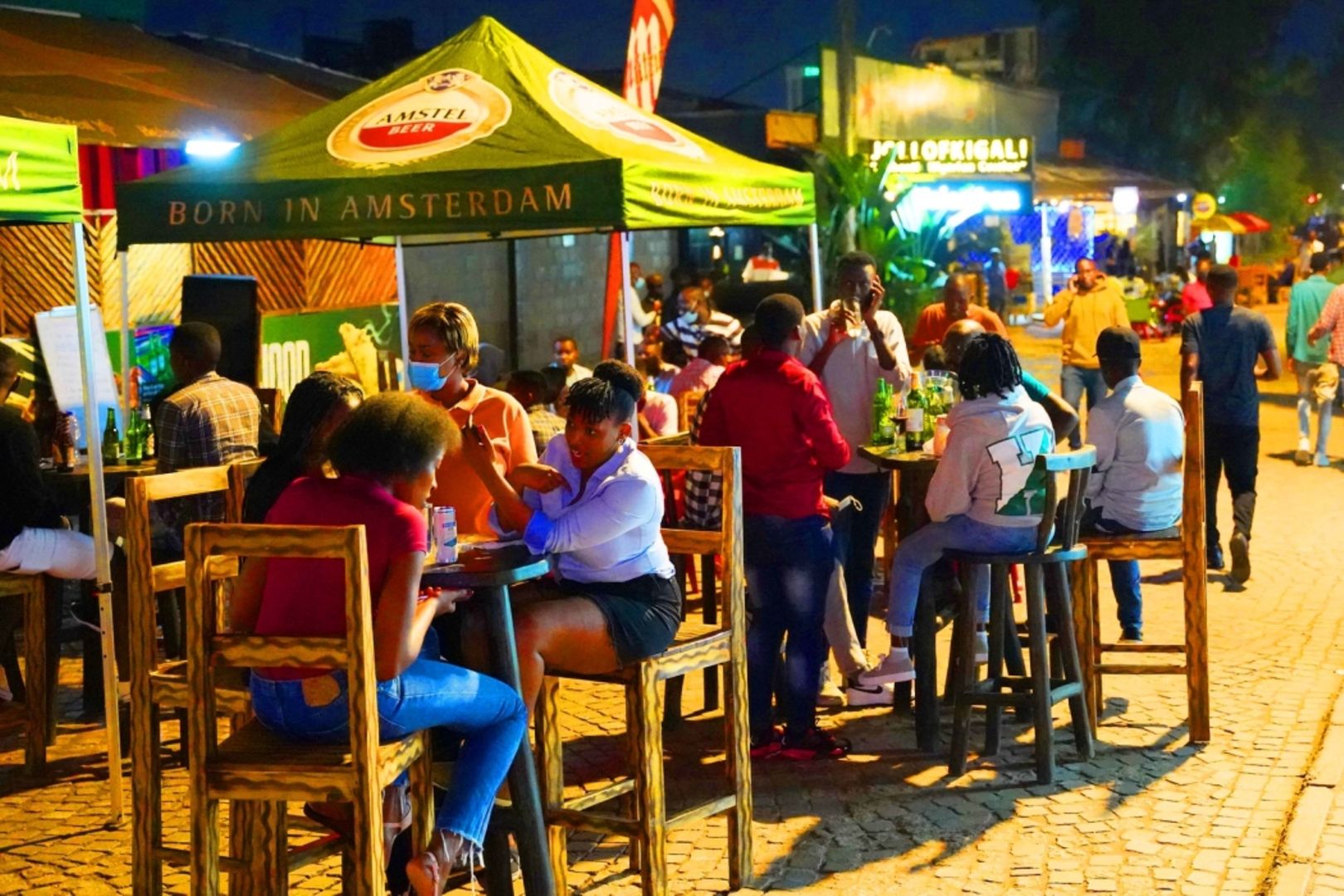
Rwanda’s 10-day trial extension of night economy operating hours from 1am to 4am ended on September 29, with businesses celebrating strong gains and workers pocketing extra income.
A Taarifa survey shared with authorities showed the policy generated real economic activity each night, though government officials say wider social impacts will need to be considered before any permanent decision is made.
Strong Nightly Revenues
During the trial, many establishments earned between Rwf 200,000 and over Rwf 10 million per night in the additional three hours alone.
The majority reported nightly earnings between Rwf 1–5 million, while top-tier clubs and restaurants in areas like Kimihurura and Nyarutarama exceeded Rwf 10 million in the additional hours after 2:am.
For some, the gains were transformative. “We had been struggling for a long time,” said one bar manager in Kimironko. “In those 10 days, we finally caught up with rent and supplier arrears. This short extension gave us a lifeline.”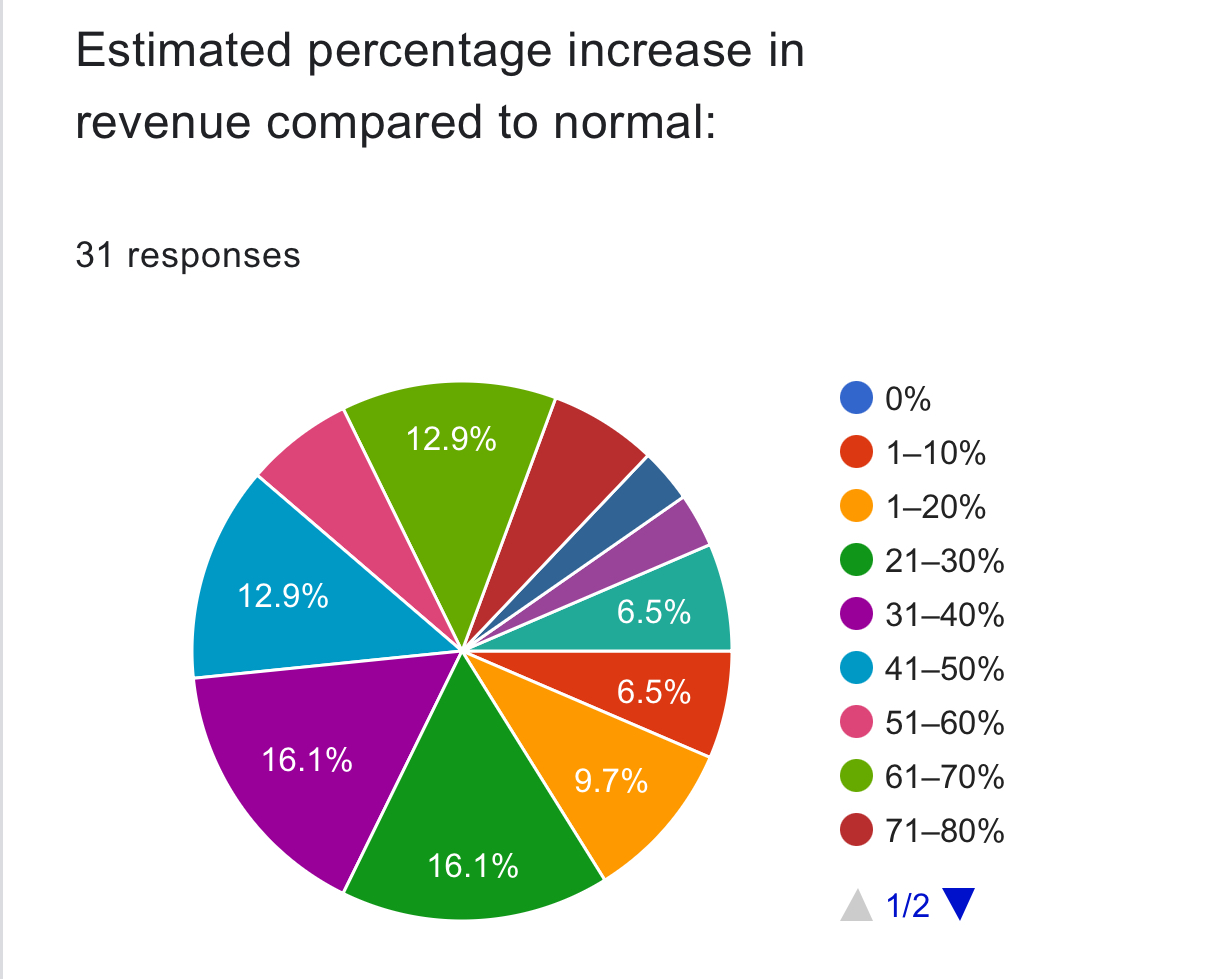
Jobs and Relief for Workers
The surge in customers also created opportunities for temporary employment. About 60% of businesses said they hired extra staff.
Bartenders, cleaners, waiters, and security guards worked late-night shifts that brought in much-needed income.
“I was too broke, I couldn’t even afford toothpaste,” said Cedric, a bartender in Kicukiro hired for the 10-day period. “Thankfully I earned some money to push me for some days.”
For many young people, the brief extension opened up work that offered dignity and short-term relief.
Who Filled the Venues?
According to the survey, Rwanda’s growing base of young professionals (25–35 years old) made up half of the late-night clientele. Tourists and international visitors accounted for 25%, students 15%, while families and older adults made up just 10%.
“We had people walking in after 2am, something that never happened before,” said a restaurant owner in Remera. “Many were young professionals coming after long days of work, and we even saw visitors from neighboring countries spending freely.”
Spending patterns showed that 40% of customers spent between Rwf 20,000–50,000 per night, 30% spent Rwf 50,000–100,000, and 20% exceeded Rwf 500,000, often in groups.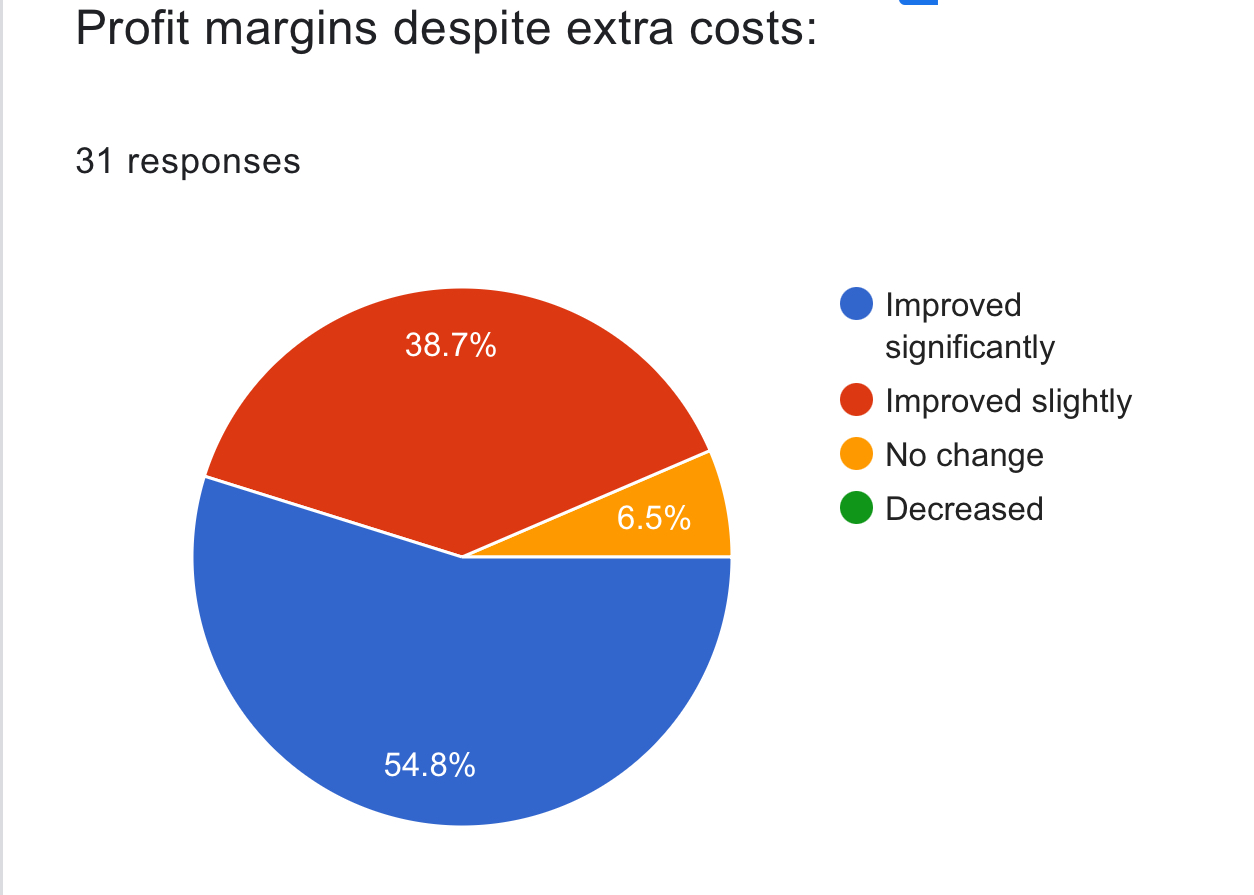
Ripple Effects Across Sectors
The policy didn’t just benefit entertainment venues. Transport services reported a 45% increase in late-night demand, hotels saw 30% more bookings, food outlets enjoyed a 25% bump, and security companies recorded 15% growth in contracts.
“Even our suppliers noticed the difference,” said a club owner in Nyamirambo. “Beer distributors, soft drink companies, even the guys who sell ice — everyone had something to gain.”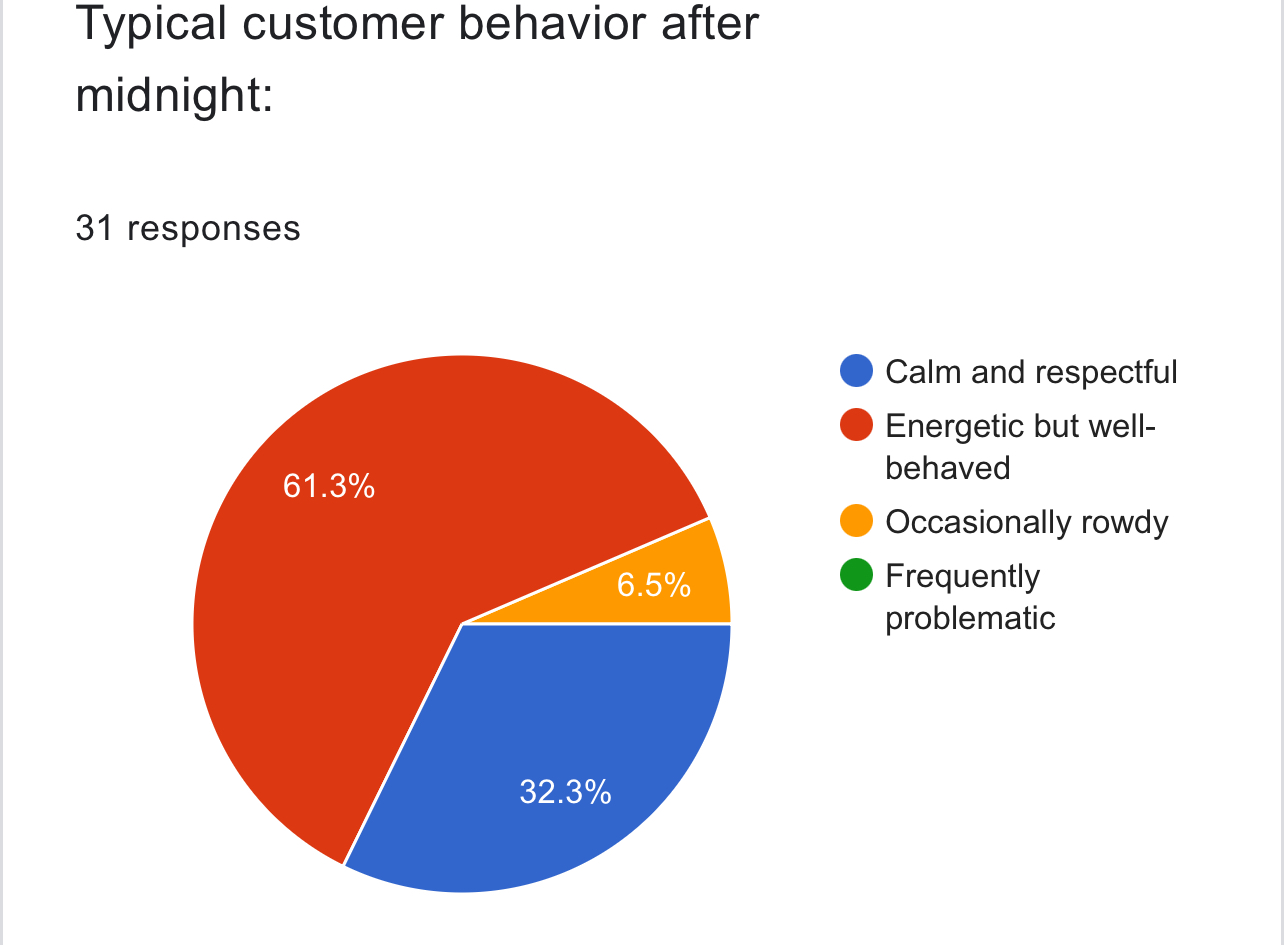
Safe and Vibrant Nights
Despite fears of crime, 70% of businesses reported no increase in security incidents, while 20% noted only minor cases. Noise complaints were limited, with most venues based in commercial areas.
A hotel receptionist near the Kigali Convention Centre described the city’s new rhythm: “The city felt alive in a way I had never experienced. There was energy, movement, and a sense that Kigali could rival other big cities in the region.”
Government Response
Taarifa shared the survey findings with government authorities, including the Ministry of Finance. An official from the ministry told Taarifa the data gave “a good indication of what’s on ground” but stressed that decisions would weigh more than just revenue.
“Some considerations will be made, especially the wider impact beyond numbers such as health and social impact,” the official said.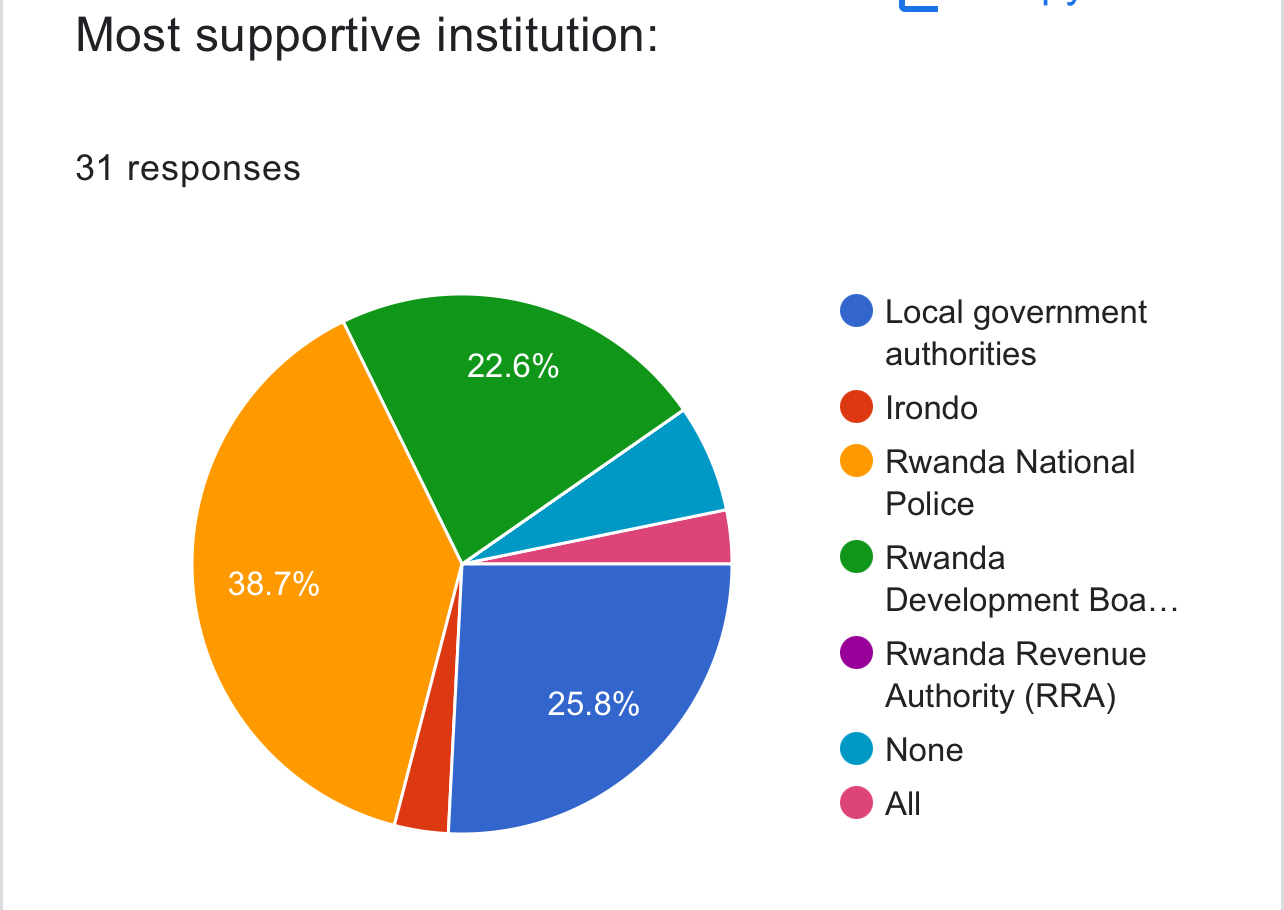
Looking Ahead
The extension revealed both opportunities and challenges. Businesses want clarity on whether the 4am policy will return, pointing to jobs, revenue, and tourism benefits. But transport gaps, regulatory issues, and questions about long-term social effects remain.
“Why stop when the results are this clear?” asked a restaurant owner in Gisozi. “We finally had a chance to recover from debts, create jobs, and attract tourists. This should not be temporary.”
For Cedric, the bartender, the answer is even simpler: “Even if it was just 10 days, it changed my situation. Imagine what it could do if it stayed.”