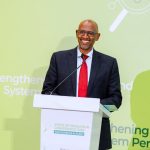

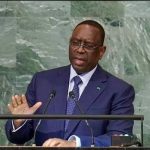

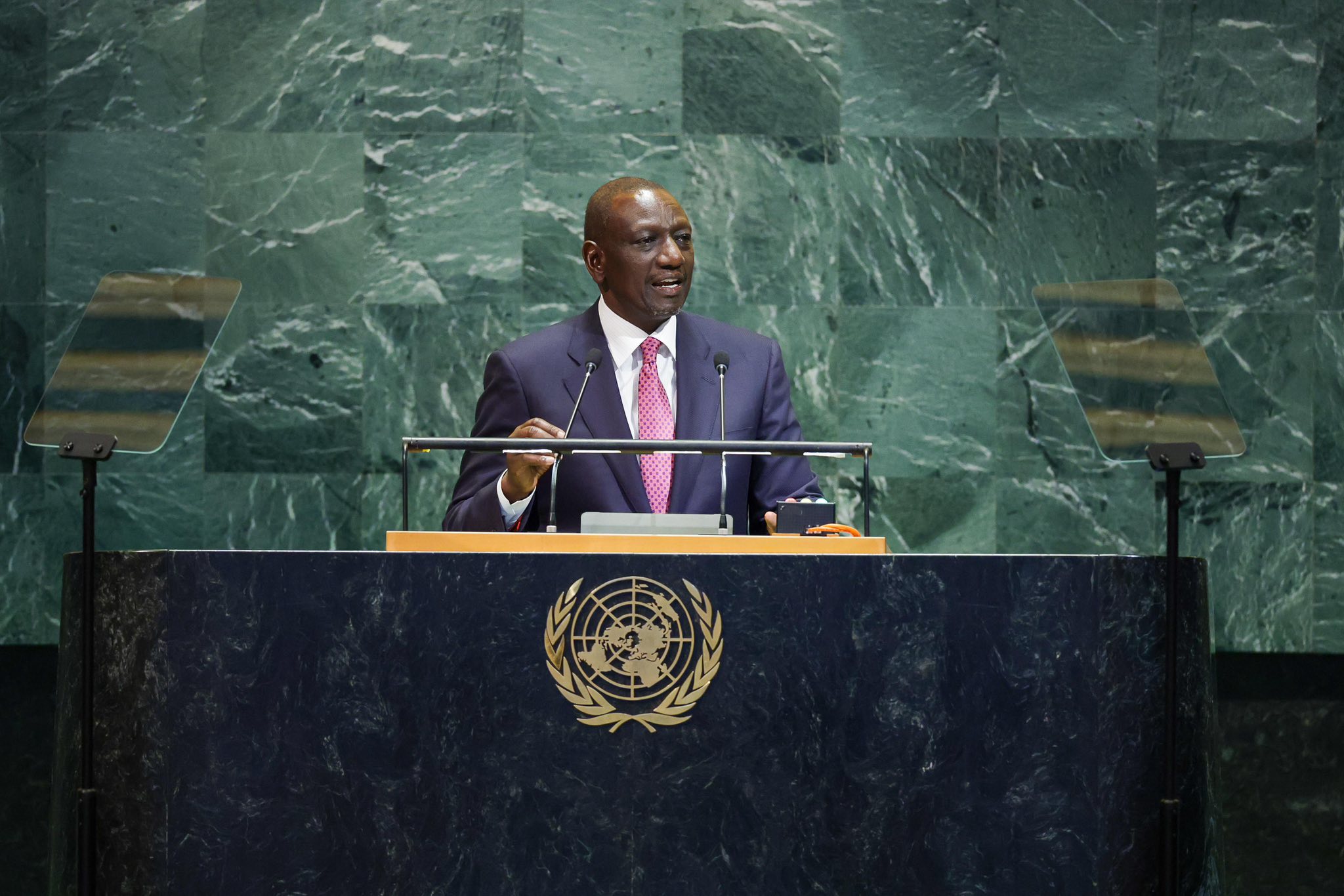
Kenyan President William Ruto used his address to the United Nations General Assembly to deliver a sharp critique of the world’s financial order, warning that the International Monetary Fund (IMF) and the World Bank continue to serve the interests of rich nations while deepening the debt burdens of poorer ones.
Speaking in New York, Dr. Ruto recalled that the Bretton Woods institutions were created to rebuild war-torn Europe after the Second World War.
Their original design, he said, “reflected the power and interest of the victorious nations, who were also their primary shareholders and beneficiaries.”
Although the IMF and the World Bank have long since evolved into development finance institutions, “their structures, decision-making and governance remain dominated by wealthy nations,” he declared.
“Today, the global context is vastly different. The gold standard collapsed five decades ago, and Europe has long since been rebuilt—yet the governance of these institutions has not kept pace with the needs of a multipolar world.”
“What a disconnect”
Ruto cited the IMF’s recent allocation of Special Drawing Rights (SDRs) as an example of persistent inequity. “Sixty-four per cent went to wealthy nations,” he noted.
“With little need for liquidity support, they didn’t need the money anyway, but they got 64%, while the poorer countries received just 2.4%. What a disconnect.”
He argued that the current global financial architecture “punishes poor countries with high interest rates and enormous conditionalities, while rewarding rich nations with lower interest rates and softer lending terms.”
Unless reformed, he warned, these rules will “consistently favour those already prosperous, while trapping vulnerable economies in cycles of debt, high borrowing costs and inadequate access to emergency support and concessional funding.”
The Kenyan leader urged that the IMF and World Bank be transformed into “genuinely independent, apolitical global bodies” whose operations align with their global mandate.
“Such a shift would democratise decision-making, restore credibility and allow these institutions to serve all countries fairly rather than reinforcing old hierarchies,” he said.
But Ruto stressed that Africa is not waiting for external solutions.
He highlighted the Alliance of African Multilateral Financial Institutions, launched with the African Union in February 2024, which brings together regional lenders including AfriEximBank, the Africa Finance Corporation and the African Development Bank.
He outlined a broader African Union agenda for financial sovereignty:
- African Central Bank – to issue a single currency and reduce dependence on foreign money.
- African Monetary Fund – to stabilise economies and secure “true financial sovereignty.”
- African Investment Bank – to mobilise resources for infrastructure, industrialisation and continental integration.
- African Credit Rating Agency – already established to provide “fair and truthful” assessments that reflect Africa’s realities.
A continental vision
These home-grown institutions, Ruto said, embody Africa’s determination “to mobilise resources, finance trade and build resilience on our own terms.”
His message to the UNGA was unequivocal: unless the global financial system is re-engineered to reflect today’s multipolar reality, it will continue to “perpetuate inequality and instability.”
Africa, he vowed, is ready to lead its own path to economic independence.