


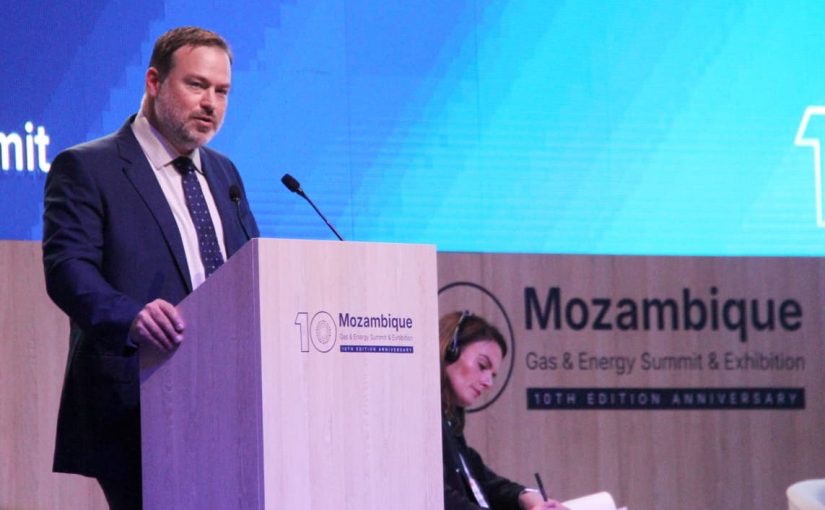
MAPUTO – ExxonMobil has once again stressed that security is the make-or-break factor for the multibillion-dollar natural gas development in northern Mozambique’s Cabo Delgado province.
Yet the U.S. oil giant made no mention of the country that many regional observers say has been pivotal in restoring that very security: Rwanda.
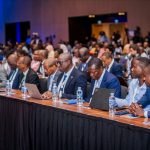
Speaking at the opening of Mozambique’s 10th Gas and Energy Summit in Maputo on Monday, Arne Gibbs, General Manager of ExxonMobil Mozambique, said the company’s final investment decision (FID) for the massive offshore Area 4 project will only come once the “force majeure” declared by TotalEnergies in 2021 is lifted and the security environment is deemed stable.
Total halted work on the adjacent Area 1 block after Islamist insurgents attacked the town of Palma, forcing thousands to flee.
“After the force majeure clause is lifted and the safety environment is improved, production could begin in 2029 or 2030,” Gibbs said, noting that ExxonMobil is completing technical studies and preparatory activities “always assuming that the force majeure will be lifted. Otherwise, there could be an impact on the timeline.”
Gibbs recalled that more than US$300 million has already been invested in the project’s initial phase, including expansion of infrastructure on the Afungi peninsula, the creation of over 400 direct jobs, and what he called an immediate boost to Mozambique’s economy.
“The revenues, taxes, jobs and opportunities for the country happen immediately, not just when the gas starts flowing,” he said.
The project—operated by Mozambique Rovuma Venture (a joint venture of ExxonMobil, Italy’s ENI and China’s CNPC)—calls for the construction of underwater pipelines at depths of over 1,500 metres, transporting gas to Afungi for liquefaction at a plant designed to process 18 million tonnes per year.
Gibbs described the potential as transformative not only for Mozambique, but for the entire region.
But regional analysts argue that the improved safety environment ExxonMobil references is largely the result of a military intervention that the company itself did not acknowledge: Rwanda’s deployment of troops in 2021 at the invitation of the Mozambican government.
Rwandan forces, working alongside Mozambican troops and the Southern African Development Community (SADC) mission, have been widely credited with dismantling insurgent bases, flushing out Islamist fighters and reopening areas of Cabo Delgado once deemed too dangerous for civilians or investors.
Residents and local authorities have repeatedly said that Rwandan soldiers secured key towns and supply routes, allowing tens of thousands of displaced people to return and enabling economic activities—including energy projects—to resume.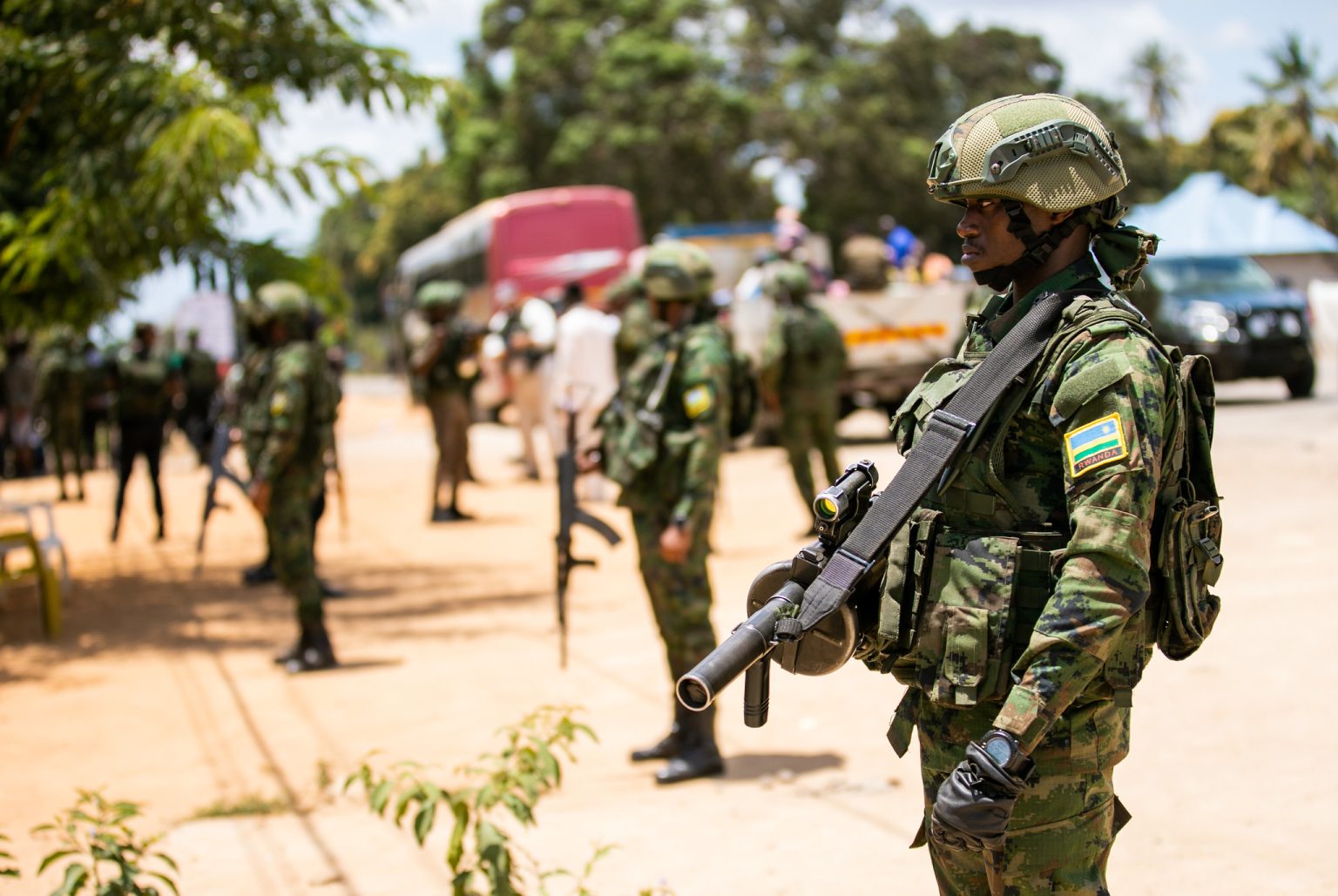
“Without Rwanda’s rapid deployment and sustained presence, Cabo Delgado would likely still be a war zone,” said a regional security expert in Pemba. “Investors talk about security as a prerequisite, but it is Rwanda’s boots on the ground that have actually delivered it.”
Given the current situation on the ground—where large swathes of the province are now under firm control and terrorist activity has been dramatically reduced—observers say the original justification for TotalEnergies’ 2021 force majeure no longer stands.
“With the present stability, the obstacles that justified force majeure simply don’t count anymore,” the analyst added.
“The French investor no longer has meaningful leverage or excuse to delay. The security environment that once threatened these projects has been decisively transformed, largely thanks to Rwanda’s intervention.”
For now, ExxonMobil’s long-awaited FDI remains tied to the formal lifting of force majeure.
Yet many in the region believe that acknowledging the stabilizing role of Rwanda’s forces—and the fact that the old security pretexts have faded—is essential if Mozambique’s gas boom is to move forward without further unnecessary delay.