


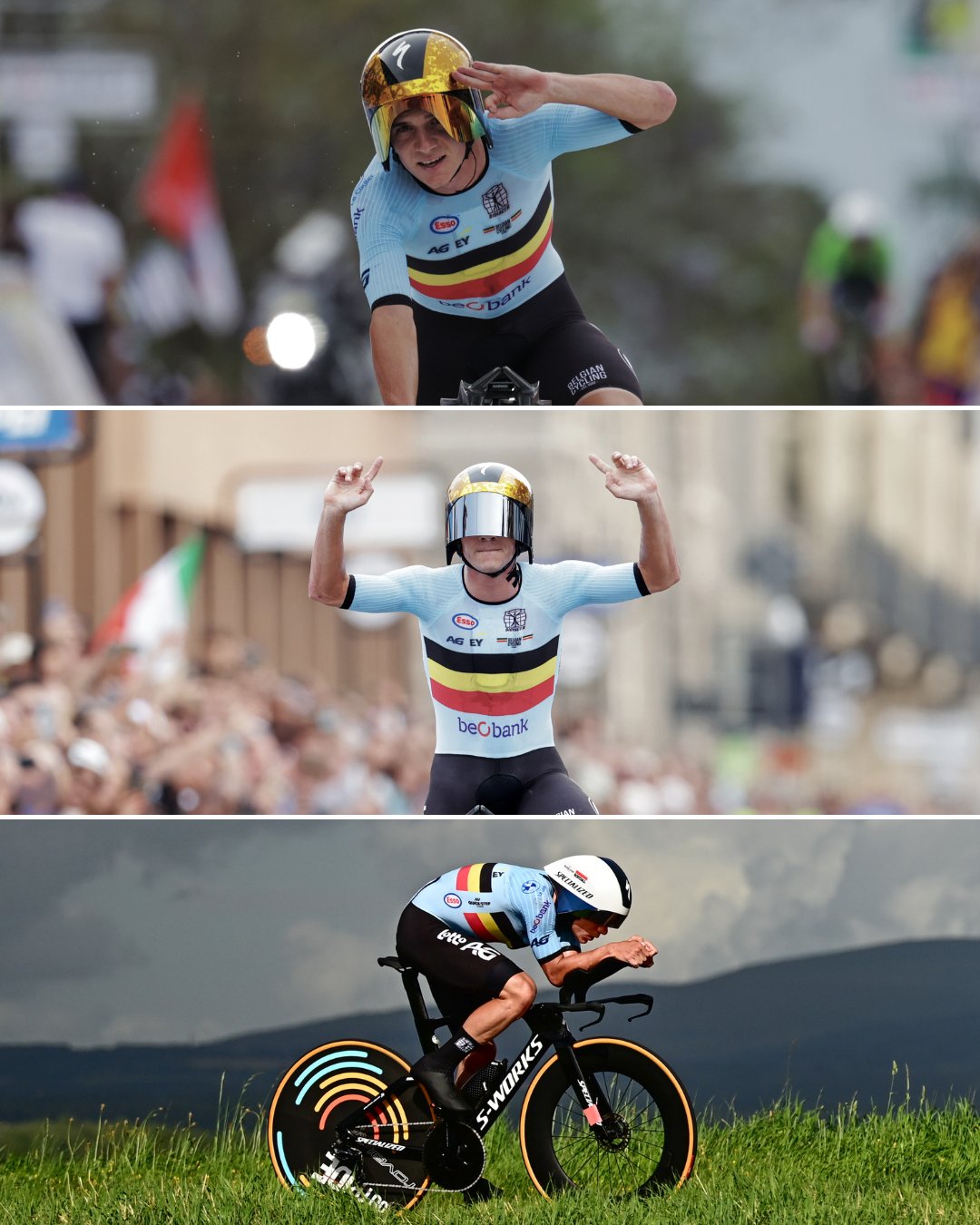
Remco Evenepoel’s third consecutive world title in the individual time trial at the UCI Road World Championships in Kigali, Rwanda, became more than a personal triumph; it was a striking example of sport rising above politics.
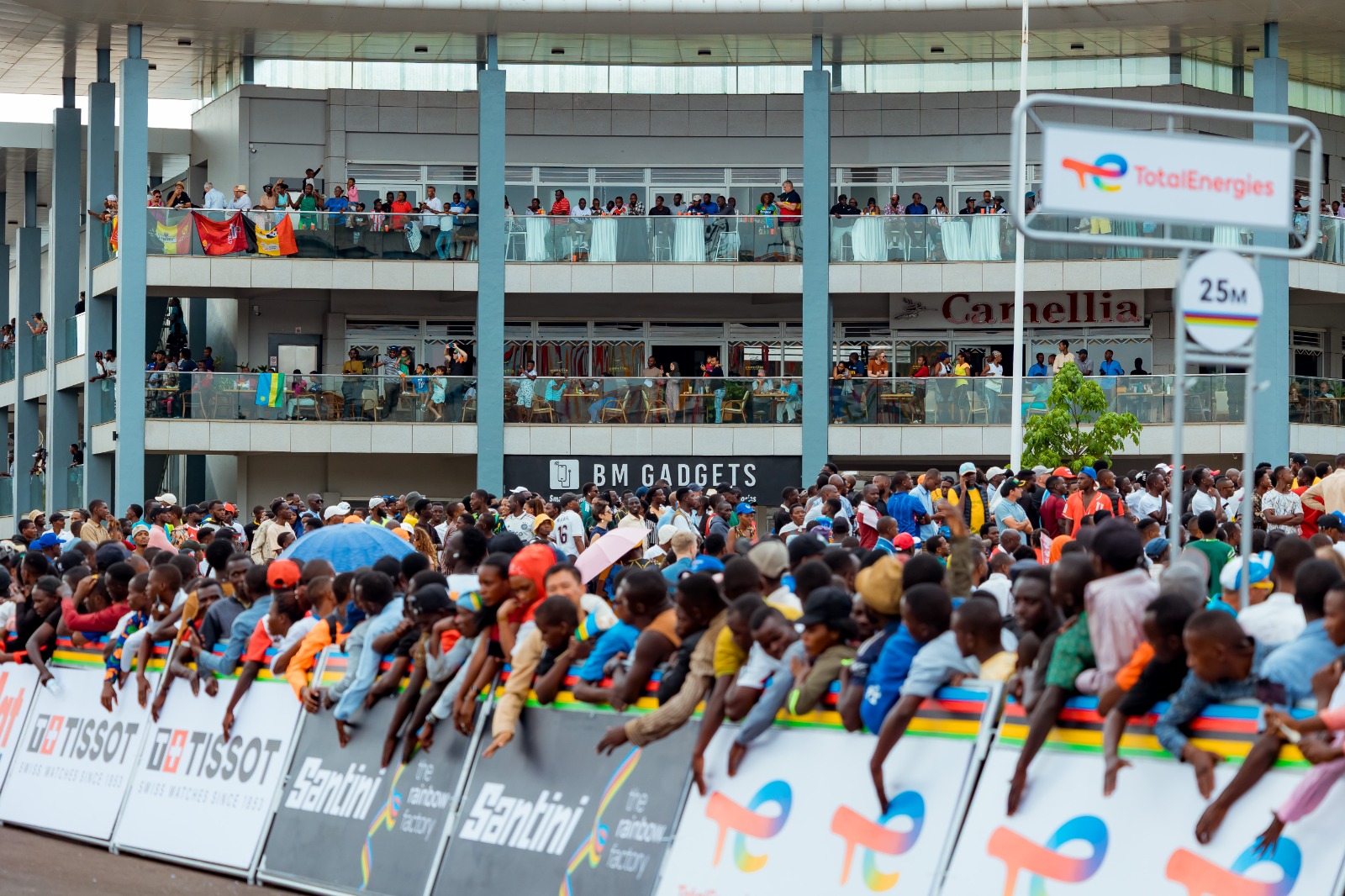
The 25-year-old Belgian powered past Slovenian rival Tadej Pogačar in the final kilometres to secure a dominant win, drawing deafening cheers and chants from Rwandan spectators who turned the hilly Kigali course into a carnival of cycling.
This celebration unfolded despite a sharp diplomatic chill between Rwanda and Belgium. Kigali severed ties with Brussels in March 2025, expelling Belgian diplomats and accusing Belgium of siding with the DR Congo in their effort to blackmail and artist Rwanda about the conflict in eastern Congo and spreading what Rwanda described as neocolonial narratives.
The standoff has strained a relationship already shaped by Belgium’s colonial history in Rwanda and by recurring disputes over justice and accountability leading up to the 1994 genocide against the Tutsi, de-campaigning Rwanda globally and the colonial posturing of the belligerent colonizer.
Yet none of this tension seeped into the world championship atmosphere. Fans lining the streets cheered Evenepoel not because they knew his name, his country, or even recognized the Belgian flag, but simply because they saw a gifted athlete conquering a grueling course.
To them he was not “the Belgian champion,” just a remarkable cyclist delivering a performance worth celebrating. His support team received the same warm treatment, welcomed in hotels and restaurants where service was offered equally and respectfully, without any hint of the diplomatic quarrel.
For most ordinary Rwandans, the details of the political impasse with Belgium are distant and abstract. What they see are sportsmen and sportswomen racing at the highest level, and that is all that matters.
Rwandans and visiting fans stood side by side, united by the spectacle of the race and the pure excitement of competition. When sport enters a room, politics goes out the window.
Evenepoel’s win, following his Olympic double gold in Paris and a Tour de France podium in 2024, reinforces his status as one of cycling’s greatest talents and marks a historic moment for Rwanda, the first African nation to host the Road World Championships.
It is a reminder that the language of sport—speed, endurance, triumph—transcends borders and disputes, offering a rare glimpse of unity in a time of diplomatic friction.