


Far from home, some Rwandans who once hoped the country would never rise again can only grind their teeth in frustration.
It is 2025, and Kigali is alive with excitement as the UCI Road World Championships—the biggest event in professional cycling—comes to Africa for the first time.
More than a thousand cyclists from 109 countries tackle Rwanda’s famous thousand hills while over 300 million people around the world watch live—on giant TV screens, home televisions, and on their phones, streaming every sprint and climb.
For exiles who fled after the 1994 genocide, many carrying guilt or hatred, the sight of Rwanda shining on the global stage is hard to bear.
In a small apartment in Aalst, Belgium, Alfred Uzabakiliho, who once helped his father take part in the killings of 1994, scowls at his TV.
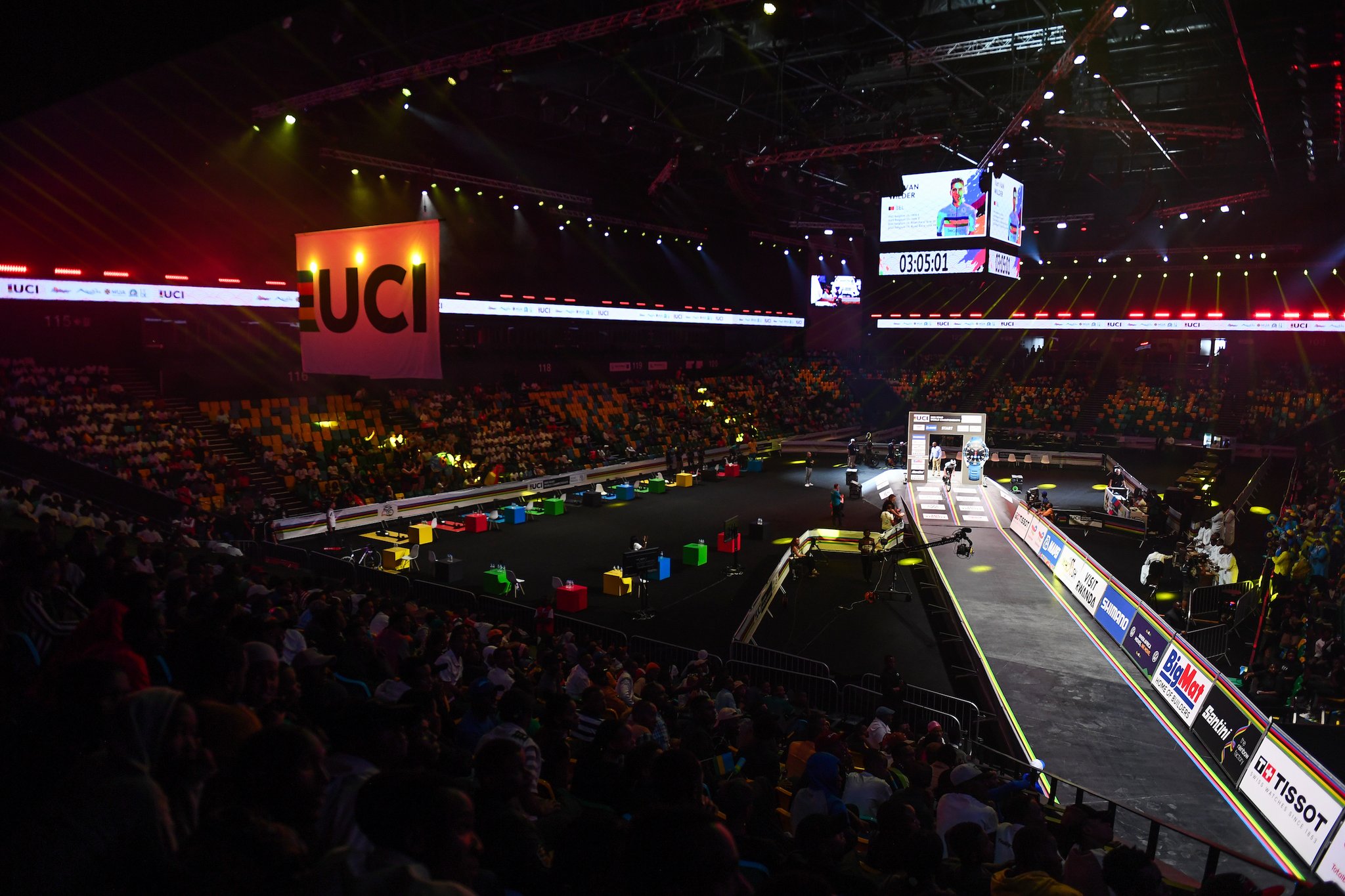
The opening ceremony shows Kigali’s sparkling convention center, flag-waving crowds and smiling volunteers. Commentators praise Rwanda as a model of progress.
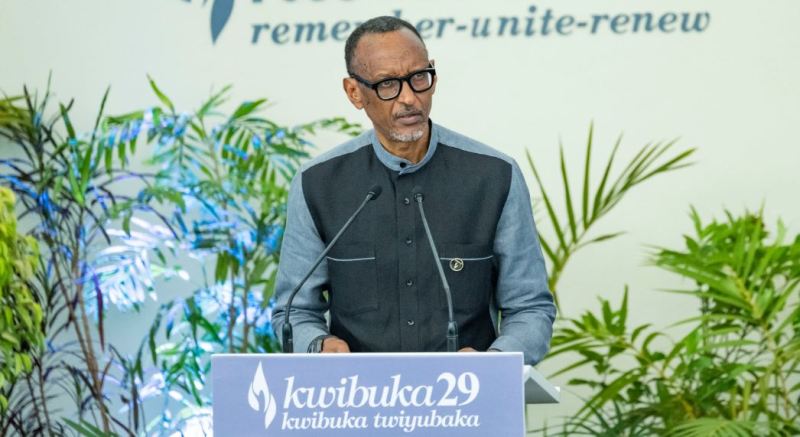
Alfred mutters, “This can’t be Rwanda. Not his Rwanda.” By “his,” he means President Paul Kagame—the man he and others have spent years attacking. But the world has moved on. Rwanda’s success speaks louder than their bitterness.
These critics once predicted Rwanda would fail. They ran away with blood on their hands, expecting permanent chaos. Instead, Kagame pushed for relentless progress.
From the ashes of genocide, the country has become confident enough to host a global sporting event that drowns out their complaints.
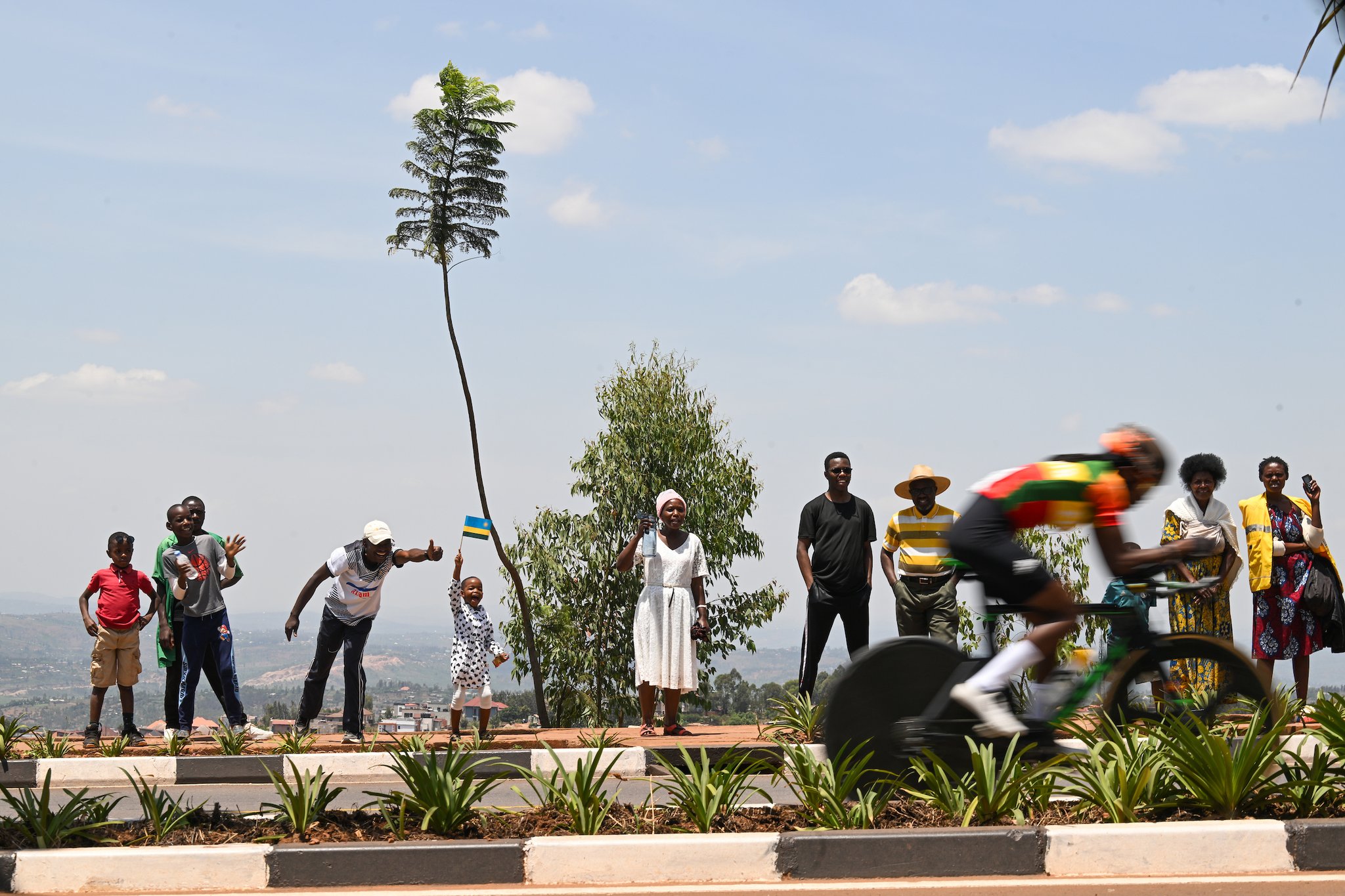
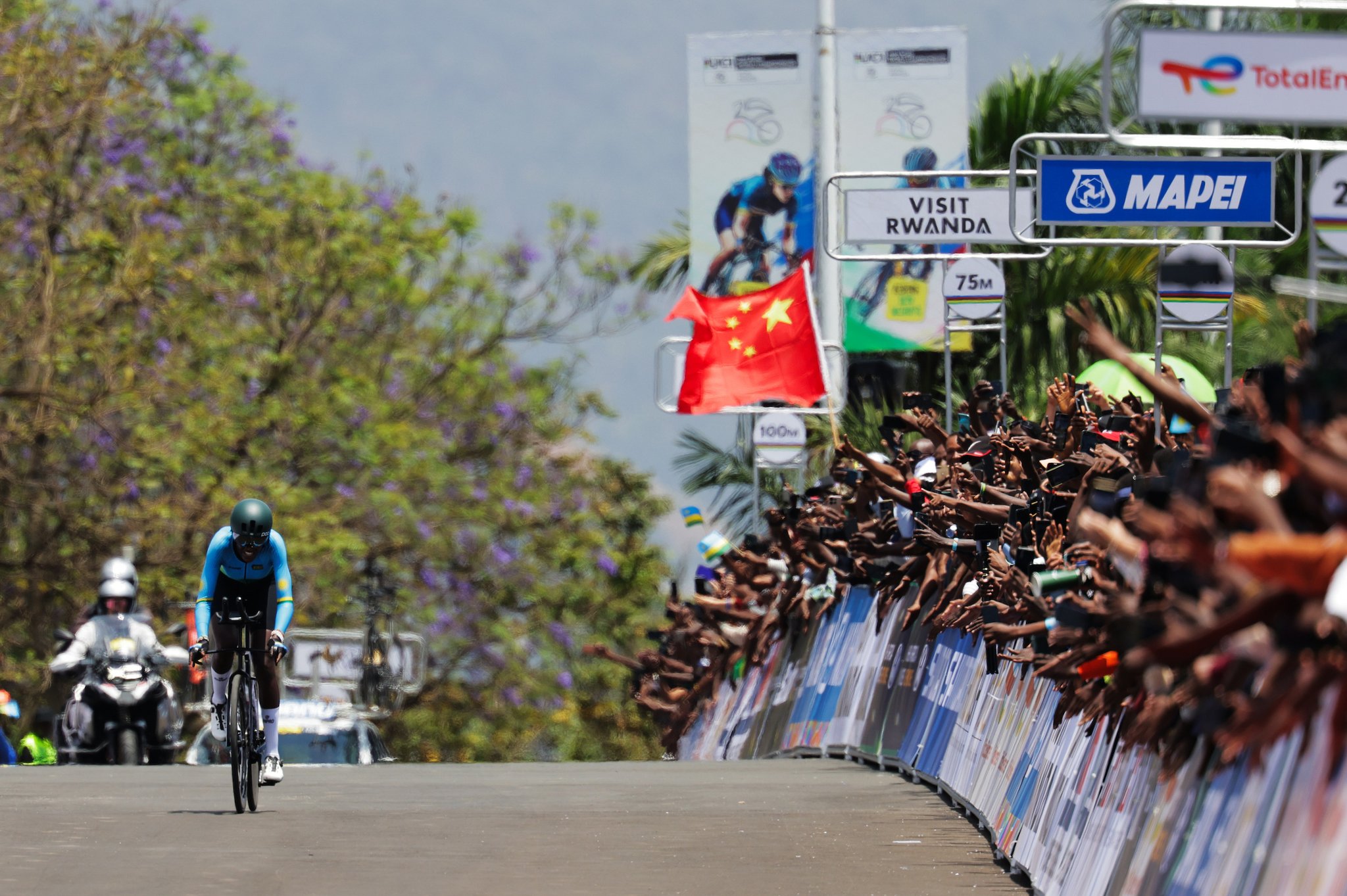
Kigali itself smells of freshly paved roads and roasted coffee. Among the riders, a teenage Rwandan named Nirere pins a small national flag to her jersey. Every pedal stroke is for Rwandans as she kicks off the Women’s Junior Time Trial.
She grew up watching the Tour du Rwanda and dreamed of proving her country belongs on the world stage.
The race route stretches from the heart of Kigali out to the green suburbs, a ribbon of clean, smooth tarmac that winds through high-altitude hills. Spectators line the course—families, students, and elders—waving flags and singing as the peloton speeds past.
The climbs are among the toughest in championship history—over 5,000 meters of steep roads—but Rwanda’s preparations hold strong: streets gleam, volunteers sing, and visitors from around the world are struck by the city’s order and warmth—so different from the chaos critics once predicted.
When the sun goes down, the celebration doesn’t stop. Kigali glows with neon and laughter. Bars, restaurants, and nightclubs keep their doors open until four in the morning. Music spills; the smell of grilled brochettes mixes with the aroma of freshly brewed coffee and local beer.
From the lively streets of Remera to the bustling corners of Kicukiro, from the football chants echoing through Nyamirambo to the café terraces of Kacyiru, the city thrums with energy.
Visitors and locals dance side by side, swapping stories in a dozen languages. Kigali is vibrant and awake—a festival in motion.
And even far beyond Rwanda, from Brussels to Boston, fans keep the party alive, watching late-night broadcasts on TV or streaming highlights on their phones, sharing the moment in real time.
As the last rider crosses the finish line, another roar rises across town. At Pele Stadium, Rwanda’s under-20 women’s team was battling Nigeria on Sunday.
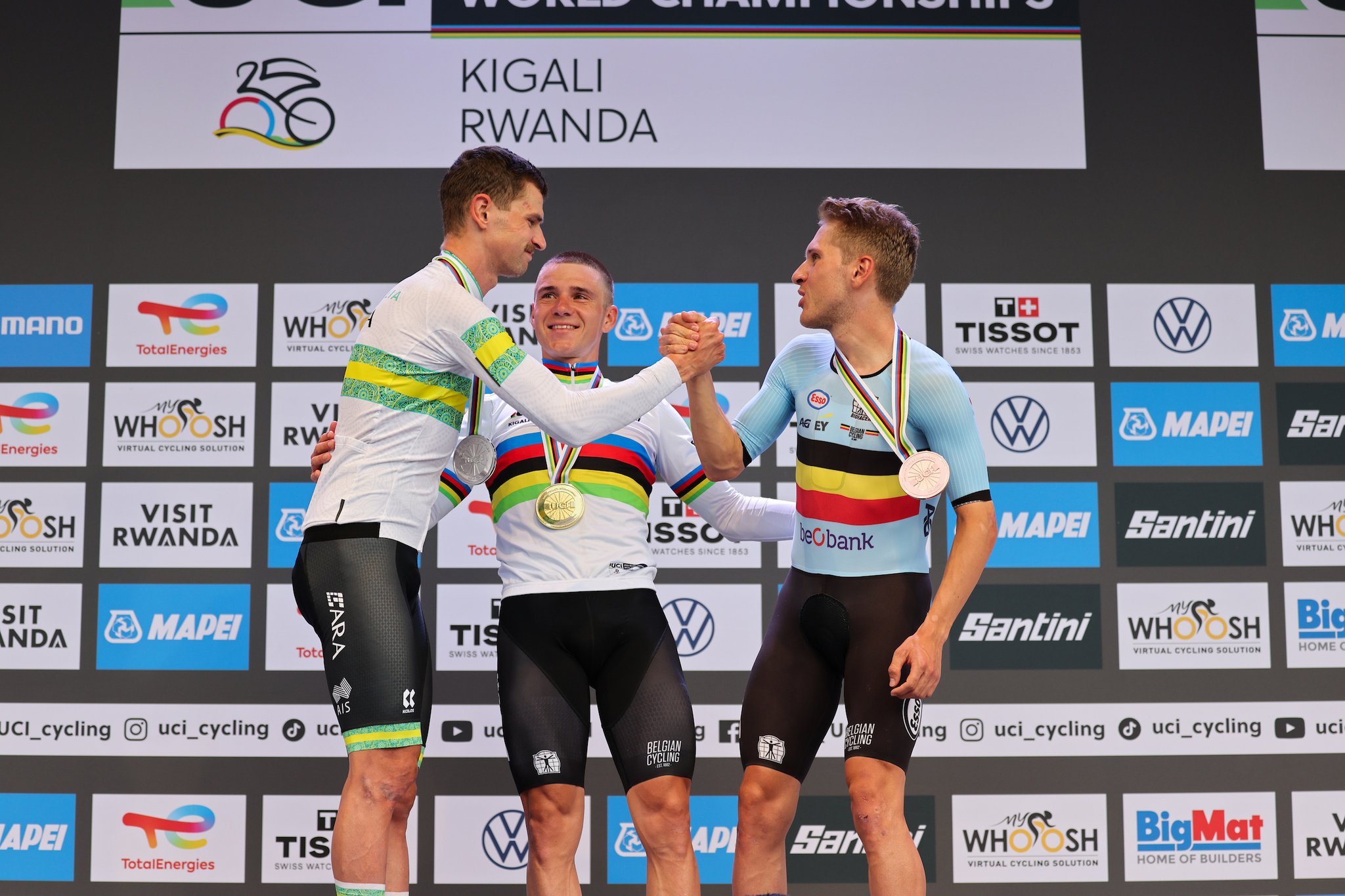
The stands shook with cheers as the young players chased every ball. Minister Nelly watched the first half, then slipped away—her busy schedule pulling her to the medal podium to present the day’s cycling awards.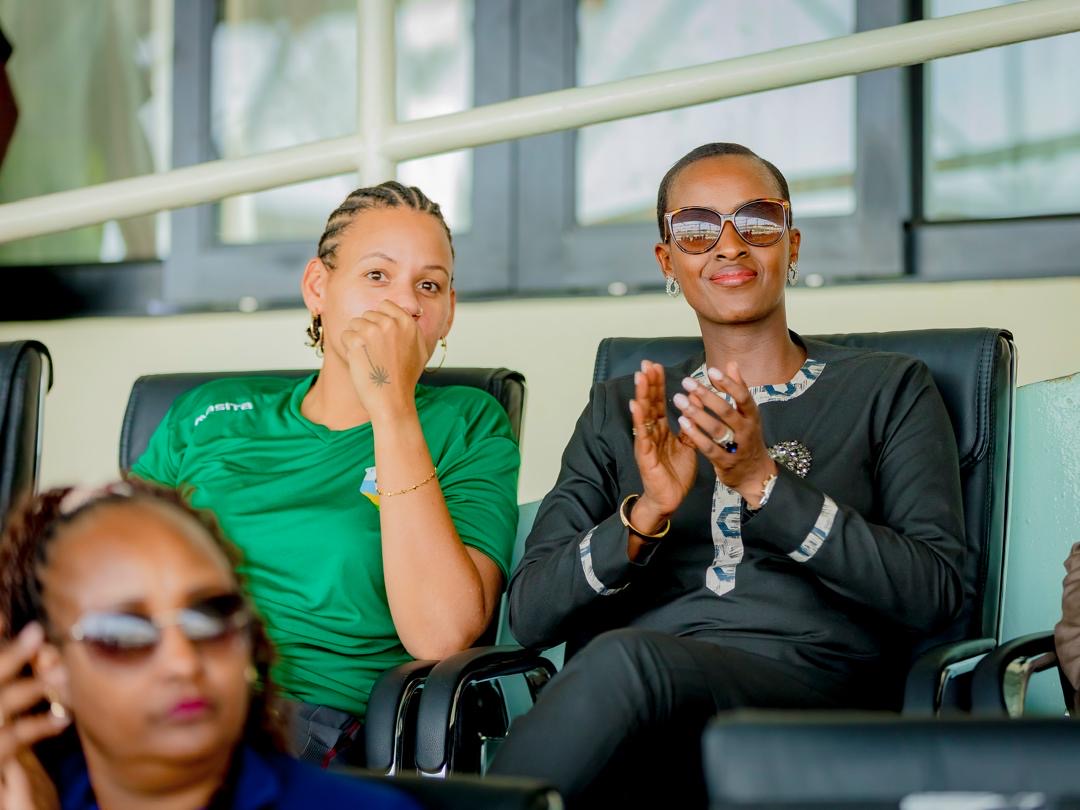
Kigali is just as busy as she is: traffic humming, music thumping, neighborhoods alive with cheers and music long past midnight.
Here is the thing; Kagame’s journey has been remarkable. When he took power after 1994 genocide against the Tutsi, Rwanda was shattered and mourning nearly a million dead. That’s not a story to tell today.
Abroad, many doubted talk of reconciliation and development. But he rebuilt more than roads and schools—he rebuilt belief and hope. Education expanded, healthcare reached remote villages, and women filled parliament seats in record numbers.
By 2025, Rwanda enjoys near-universal literacy and a growing tech sector. The country is politically stable and one of the safest in world. You can walk with a million dollars in bag at night without fear of being attacked. It’s not a paradise. But it’s an arguably better place to live than dozens of other countries.
This UCI is happening because of a robust ecosystem he has built.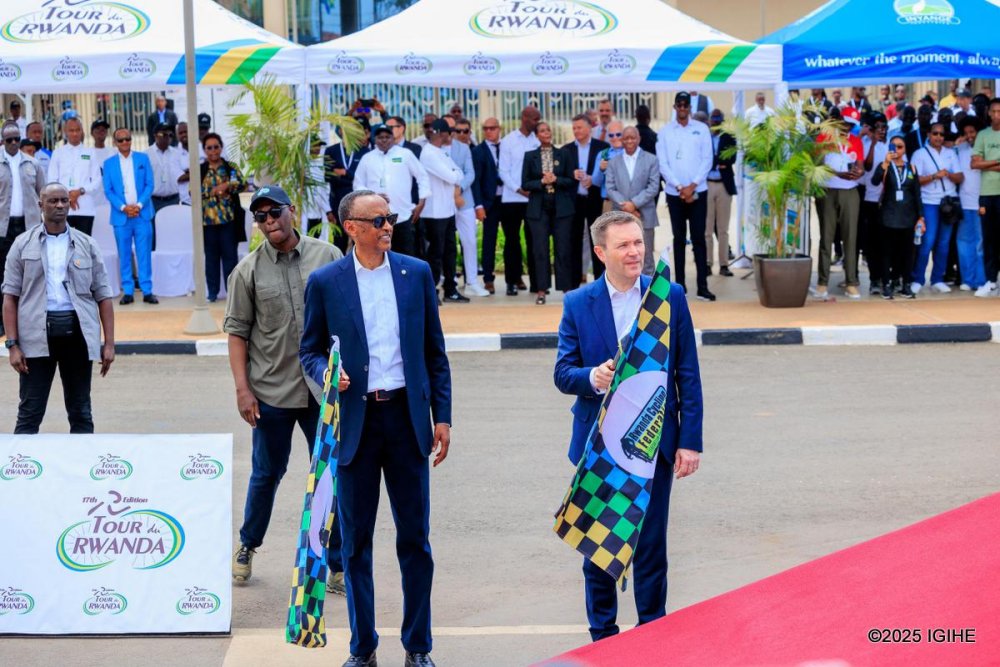
Hosting the UCI Championships is more than sport; it shows how vision and resilience can reshape a nation.
In Musanze, farmer Claude watches the race on his smartphone because he has access to 4G internet, and affordable. His children cheer for the riders in Rwanda’s red, yellow and green on a screen because the public broadcaster is accessible. “I once thought we would never recover,” he says. “But look—cyclists from Spain, Italy, Canada, all racing on our hills.” Hotels overflow, restaurants are packed, and former Team Rwanda captain Adrien Niyonshuti calls it “a chance for our young athletes to shine and for our economy to grow.”
The world’s eyes stay fixed on Kigali. Stars like Tadej Pogačar and Pauline Ferrand-Prévot chase the rainbow jersey, but for Rwandans, the real victory is their nation’s pride.
Nirere doesn’t win her race, but she lifts the flag high as she crosses the finish line, sweat on her face and a broad smile. This is for Rwanda in general, not for her as an individual.
And indeed, for a country in a trajectory, one or two triumphs are a prerequisite rewards for the effort.
Back in Belgium, Alfred switches off the TV, unable to watch another second. The critics and naysayers can grind their teeth until they crack, but Rwanda’s story has already changed. The country now hosts the world and carries its flag forward—one determined young cyclist at a time.
This version highlights Remera, Kicukiro, Nyamirambo, and Kacyiru as part of Kigali’s nightlife and celebration, reinforcing the city’s vibrant, round-the-clock energy.