






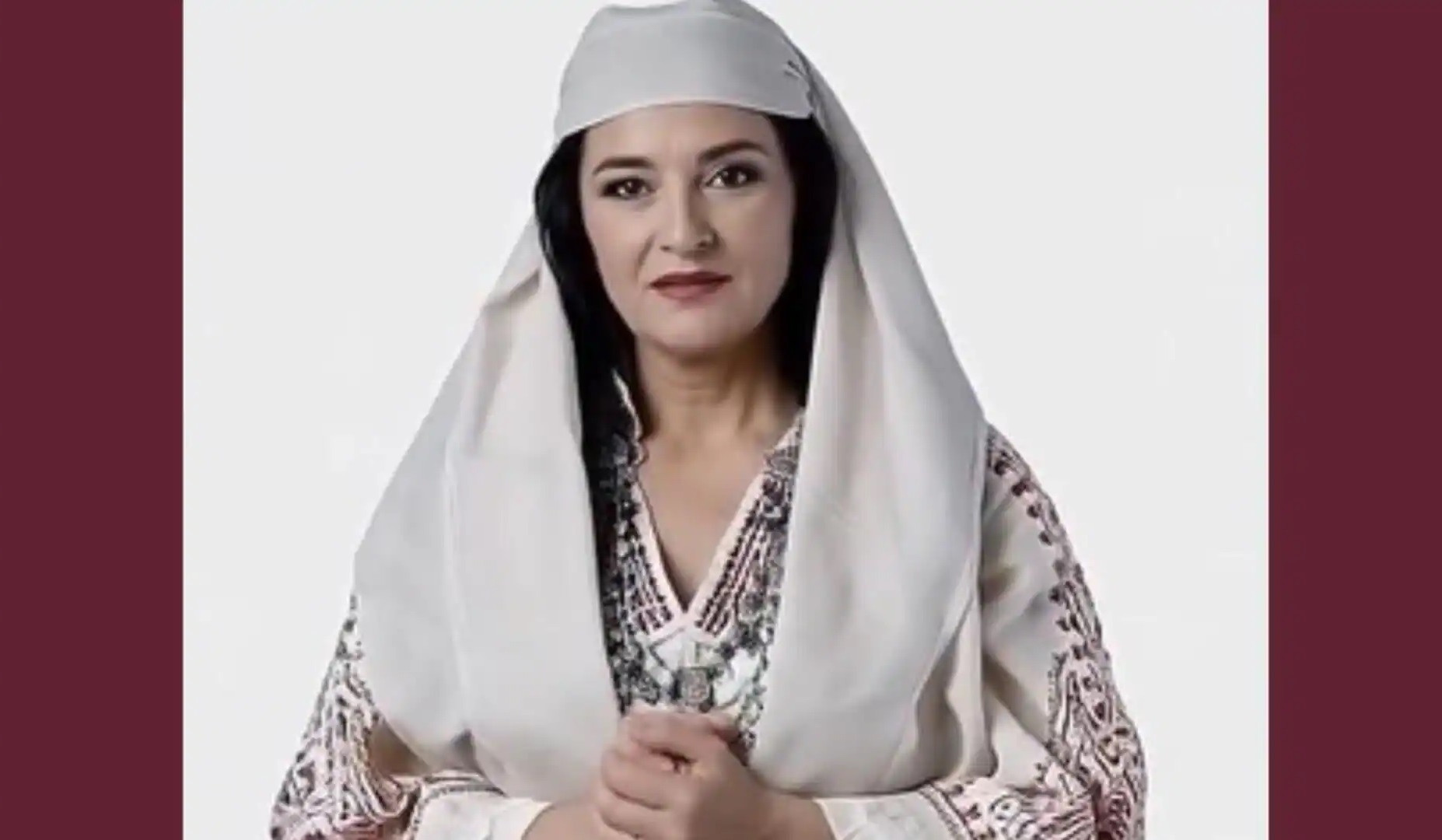
Albania has taken an unprecedented step in political history by appointing an artificial intelligence system named Diella as a government minister.
The appointment makes Albania the first country to give artificial intelligence a formal role in governance, igniting both excitement and unease among political observers and technology experts.
Diella delivered a three-minute debut speech in parliament that immediately caught international attention.
Responding to critics who called her appointment “unconstitutional,” she said, “Let me remind you that the real danger to the constitution has never been machines, but human decisions made by those in power.”
Diella’s ministerial portfolio is to oversee all government tenders and contracts, a role traditionally vulnerable to graft and favoritism.
Supporters of the experiment argue that an AI minister: without personal ambitions, material needs or political alliances—could drastically reduce corruption. “How do you bribe an AI? It has no wants. It has no needs,” noted one Albanian lawmaker.
Diella reinforced that view, stating she has “no ambitions or personal interests and nothing to gain,” positioning her as a neutral guardian of public funds.
Analysts say the initiative could become a model for other nations struggling with entrenched corruption.
“If it works, this could set a precedent for using AI as a tool of transparency and accountability,” said political scientist Arben Kodra of the University of Tirana.
Yet critics warn that the very qualities that make AI appealing; its lack of ego and emotion; could also limit its ability to govern fairly. “Kindness, forgiveness and mercy are human traits that balance the cold letter of the law,” said digital ethics researcher Elira Dervishi. “An algorithm may be efficient but not necessarily compassionate.”
Privacy and accountability also remain open questions: who programs the AI, and who bears responsibility if its decisions cause harm? Experts caution that without clear oversight, the same technology meant to prevent abuse could itself become a source of new forms of power.
The appointment has sparked debate well beyond Albania’s borders about the future of governance in the age of artificial intelligence.
For some, it is a bold step toward cleaner politics; for others, it is a risky leap into uncharted political territory.
Meanwhile there is also another question. Why is Diella a female? Well, Diella isn’t literally a woman in the human sense; the developers or government simply chose to present the AI with a female name and voice.
Governments and tech companies often give AI systems gendered names or voices to make them feel more relatable or approachable. Studies in human-computer interaction show that many users find a female-sounding voice more “neutral” or “helpful,” so female personas are common in virtual assistants (like Siri or Alexa).
In this case, Albania’s team decided on a feminine name and tone to humanize the AI minister and make the idea of an artificial “official” less intimidating to the public. It’s a design and branding choice, not an indication of gender in any real biological or personal sense.
Technology analysts point to a deeper paradox: for AI to pose any existential threat to humanity, it must first make human life so convenient and efficient that society cannot function without it.
Whether Albania’s bold experiment becomes a model or a cautionary tale, the introduction of Minister Diella has opened a new chapter in the relationship between technology and political power; one that governments worldwide will be watching closely.