






At first, it may look like someone is just having a bad day, retreating to their room, or being unusually irritable.
But behind the silence, the anger, or the sudden withdrawal, there may be an unspoken cry for help.
Suicide rarely happens without warning.
Mental health specialists at Ndera Hospital stress that people often send signals; subtle and loud, that they are in deep distress. Recognizing these signals can save lives.
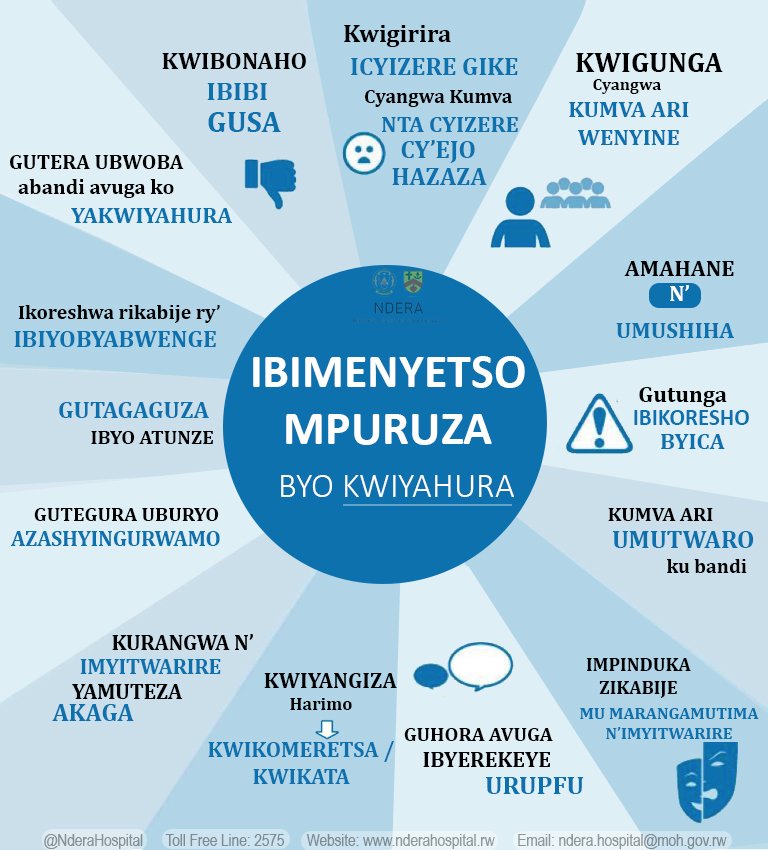
The signs are varied and complex. Some are emotional: a person may think negatively about themselves, believing they are worthless or that nothing good can come out of their life.
They may lose confidence in the future, feeling hopeless about tomorrow, or convinced that nothing will ever change.
Others experience a crushing sense of loneliness, choosing to withdraw from friends and family, or repeatedly expressing that they are a burden to others.
Behavioral changes also carry strong warnings. Some people begin giving away valued possessions or preparing arrangements that hint at a permanent departure.
Others may quietly collect dangerous objects or map out methods they might use to end their lives.
A few resort to self-harm; cutting, burning, or deliberately injuring themselves, as a way of coping with unbearable emotions.
In many cases, substance use becomes an escape route. The frequent use of alcohol or drugs can dull the pain temporarily but pushes individuals further into risk.
Reckless actions or dangerous choices that put their lives at risk may follow, often dismissed as carelessness but, in reality, a symptom of deeper despair.
The warning signs are not always hidden. People may speak often about death or suicide, sometimes lightly, sometimes directly.
These words must never be ignored. “When someone is constantly talking about death or preparing ways to end their life, that is not drama. That is danger,” explains an advisory note issued by Ndera Hospital.
Emotional instability is another critical indicator. Sudden outbursts of anger, irritability, or hostility may appear, or someone may undergo drastic mood swings, from deep sadness to detachment, that are difficult to explain. These shifts can be alarming if they are new or unusually intense.
Mental health professionals warn that these signs, taken together, paint a clear picture; a person is in crisis.
This vigilance is not only the work of doctors or counselors. Families, friends, teachers, colleagues, and neighbors all have a role to play.
Simply noticing, listening, and reaching out with empathy can break the isolation that drives despair. Suicide prevention begins with compassion and open conversation.
In Rwanda, help is available.
If you or someone you know is experiencing suicidal thoughts, you can call 116 (Rwanda Biomedical Centre) or 2575 (Ndera Hospital).
Health facilities across the country also provide counseling and support.
Above all, the message remains clear; you are not alone. Asking for help is an act of courage, not weakness. And for those around us, taking someone’s words, actions, or silences seriously may be the small but life-saving act that prevents tragedy.
This Suicide Prevention Month is a call to action: to break the silence, fight stigma, and protect life with compassion.
Because every life matters; and every sign noticed in time can save one.
#SuicidePreventionMonth, #MentalHealthAwareness