



In a country rapidly embracing development and innovation, Rwanda has launched a tool that promises to make sustainability part of everyday business, investment and policy decisions.
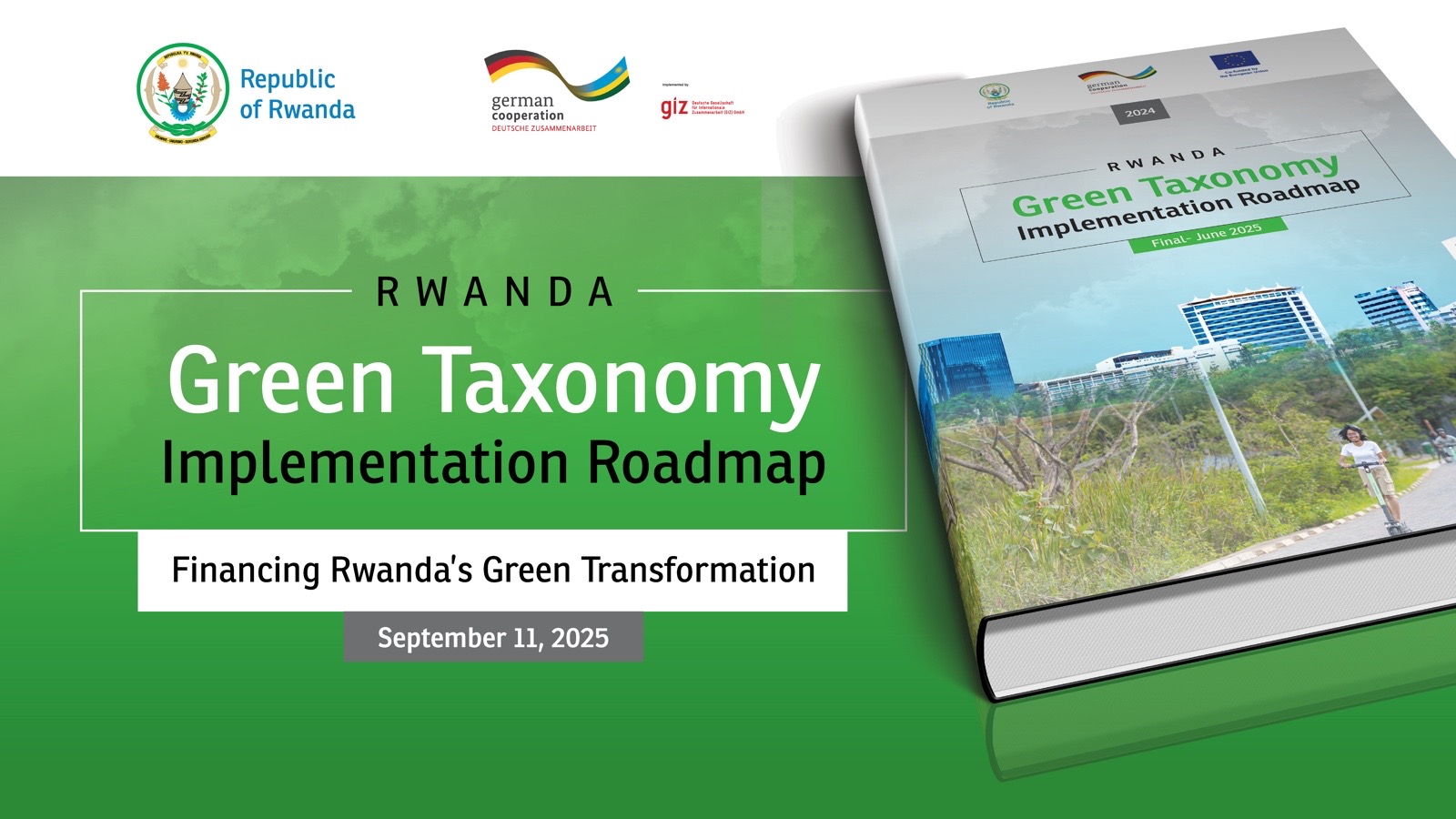
The Green Taxonomy is more than a policy framework. It is a practical guide that defines what qualifies as “green” across Rwanda’s economy, helping investors, businesses, and policymakers align economic growth with environmental protection.
Covering critical sectors such as agriculture, energy, transport, and construction, the taxonomy ensures that projects contributing to climate change mitigation or adaptation are recognised and supported.
For local entrepreneurs, the framework offers clarity that has long been missing. Josephine Uwimana, a farmer in Nyagatare, recalls struggling to access financing for eco-friendly irrigation systems because lenders could not easily verify whether her projects met recognised sustainability standards.
The taxonomy aims to solve that problem, offering both guidance and credibility.
This is only the second taxonomy of its kind in Africa, after South Africa, and the first in the world to fully integrate agriculture.
Rwanda’s pursuit of green growth requires an estimated US$11 billion to meet its 2030 Climate Action Plan, or Nationally Determined Contributions.
Mobilising this scale of investment from both public and private sources requires a clear, actionable definition of sustainability, a gap the Green Taxonomy now fills.
Herbert Asiimwe, Head of Financial Sector Development at the Ministry of Finance, highlighted the careful benchmarking behind the taxonomy. “We studied models from Colombia, the European Union, and South Africa to ensure Rwanda’s Green Taxonomy meets international standards while reflecting local realities,” he said.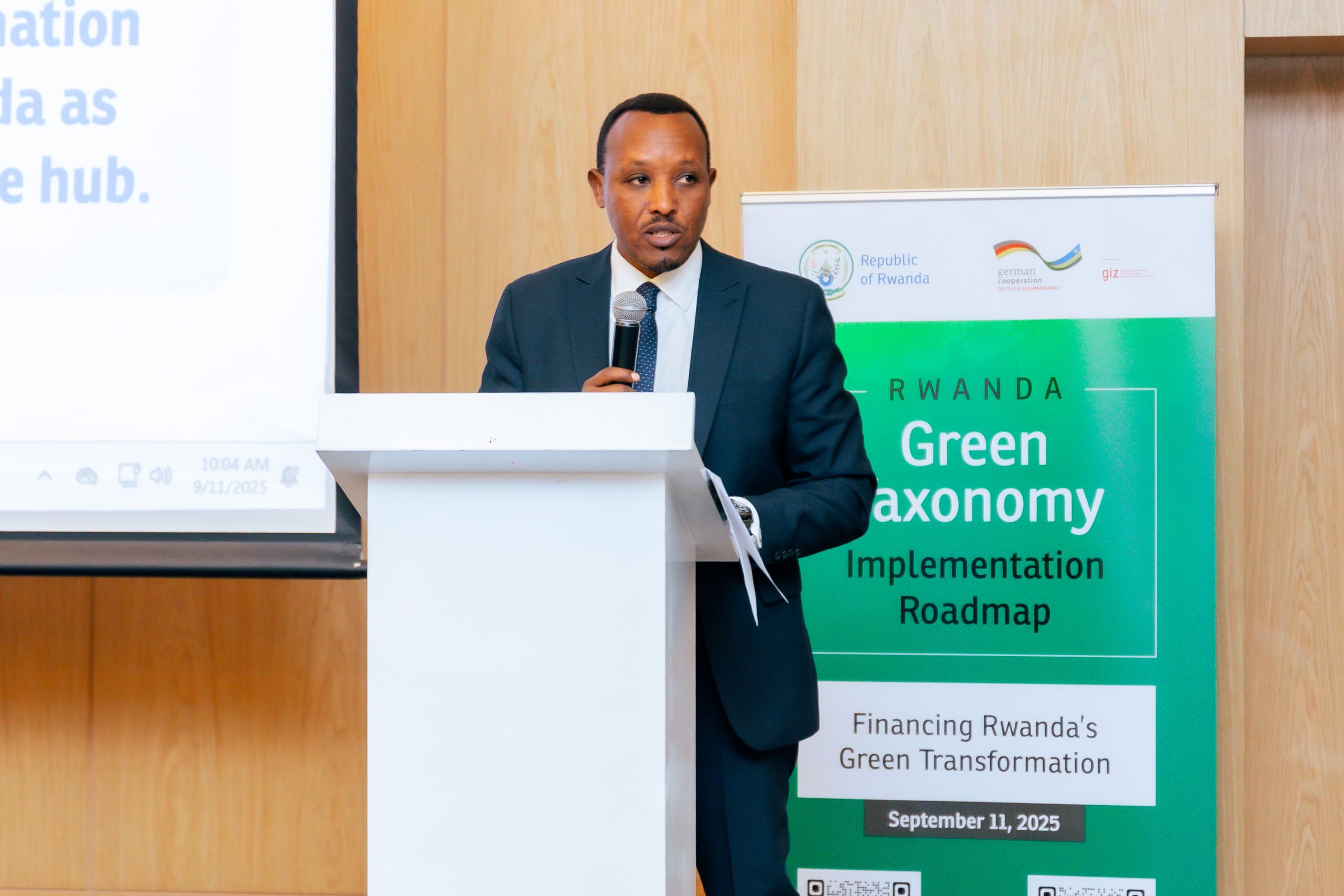
He emphasised that Rwanda now has a globally credible and locally relevant tool that investors can rely on.
Alex Mulisa, one of the key architects behind the framework, described its strategic importance and practical utility. “This elevates Rwanda to another level and safeguards our future,” he said.
He explained that the taxonomy simplifies conversations between investors and business owners by establishing clear criteria for sustainable economic activities.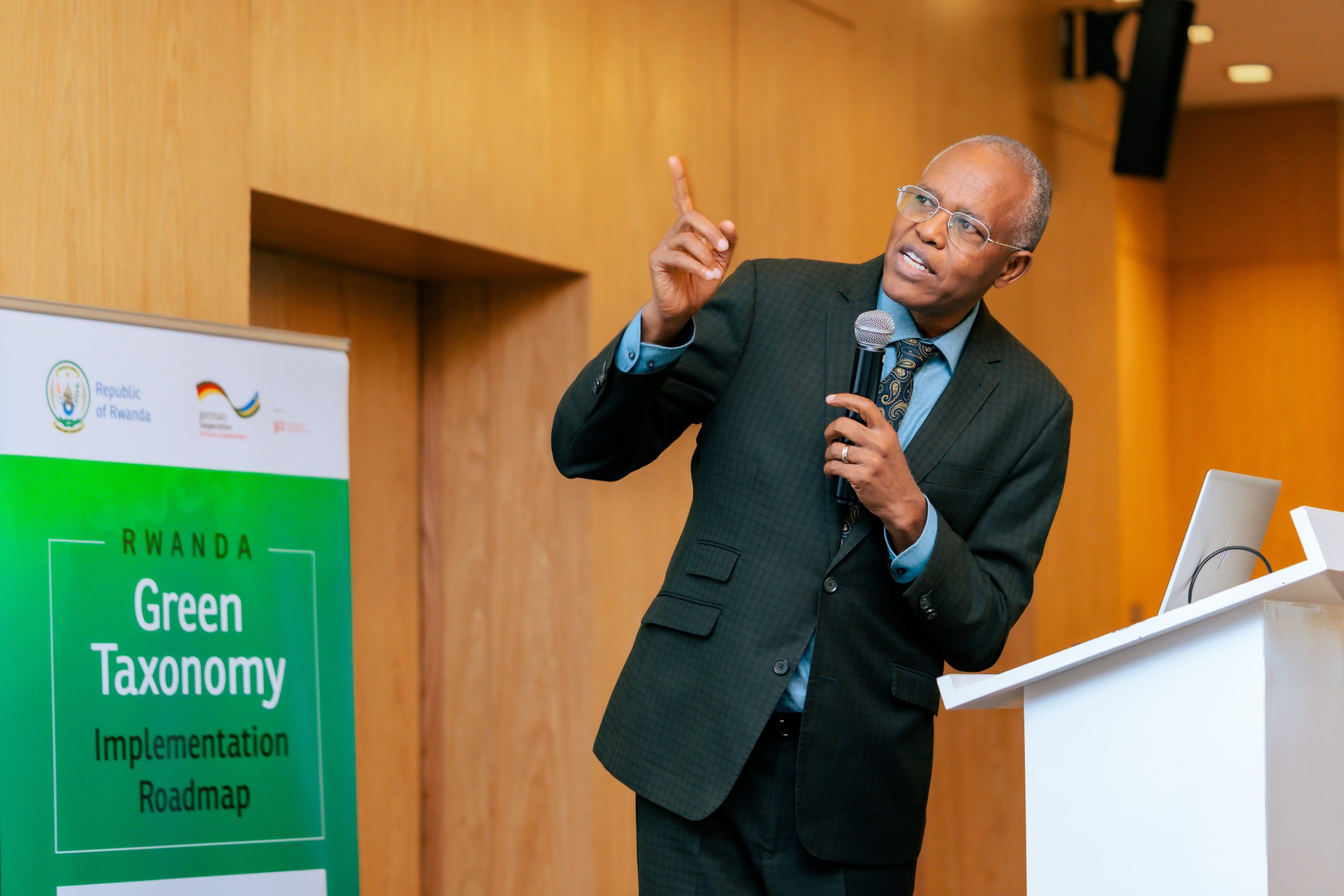
“A taxonomy policy defines the criteria for sustainable economic activities to achieve environmental or climate goals, establishing a common language and framework for investors, policymakers, and financial institutions to identify and channel capital toward green projects.
“It creates a shared understanding of what constitutes a sustainable activity, promotes trust in green investments, and helps prevent greenwashing, ultimately supporting the transition to a more sustainable economy,” Mulisa added.
Hortense Mudenge, CEO of Rwanda Finance Ltd, highlighted the practical impact for investors and businesses. “It’s not just policies on paper. It’s a roadmap for directing capital to projects that genuinely improve lives and protect our environment,” she said.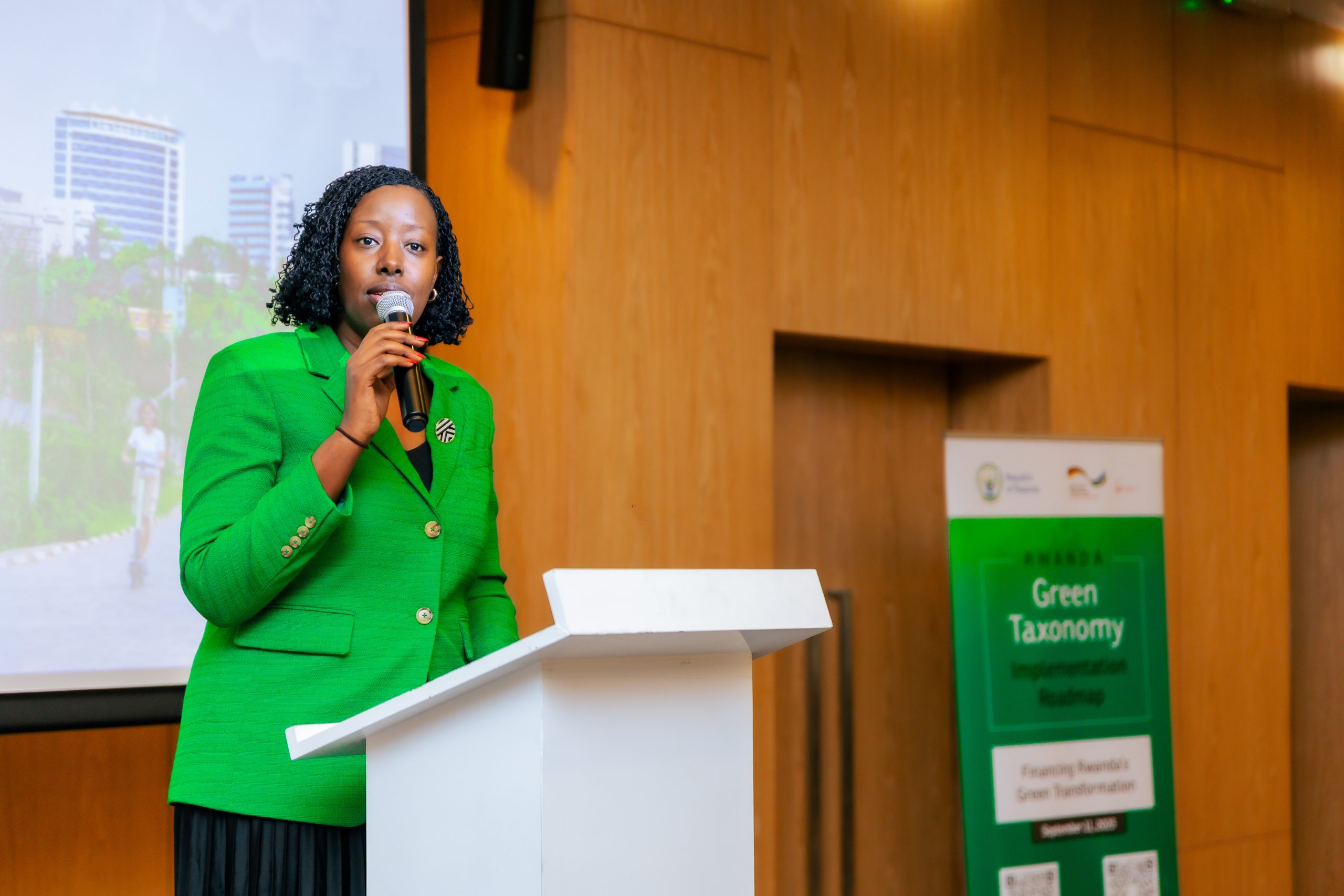
An example was cited of a construction company in Kigali that wanted to switch to eco-friendly materials but lacked clarity on qualifying for green financing. With the taxonomy, such businesses now have a clear pathway to affordable funding.
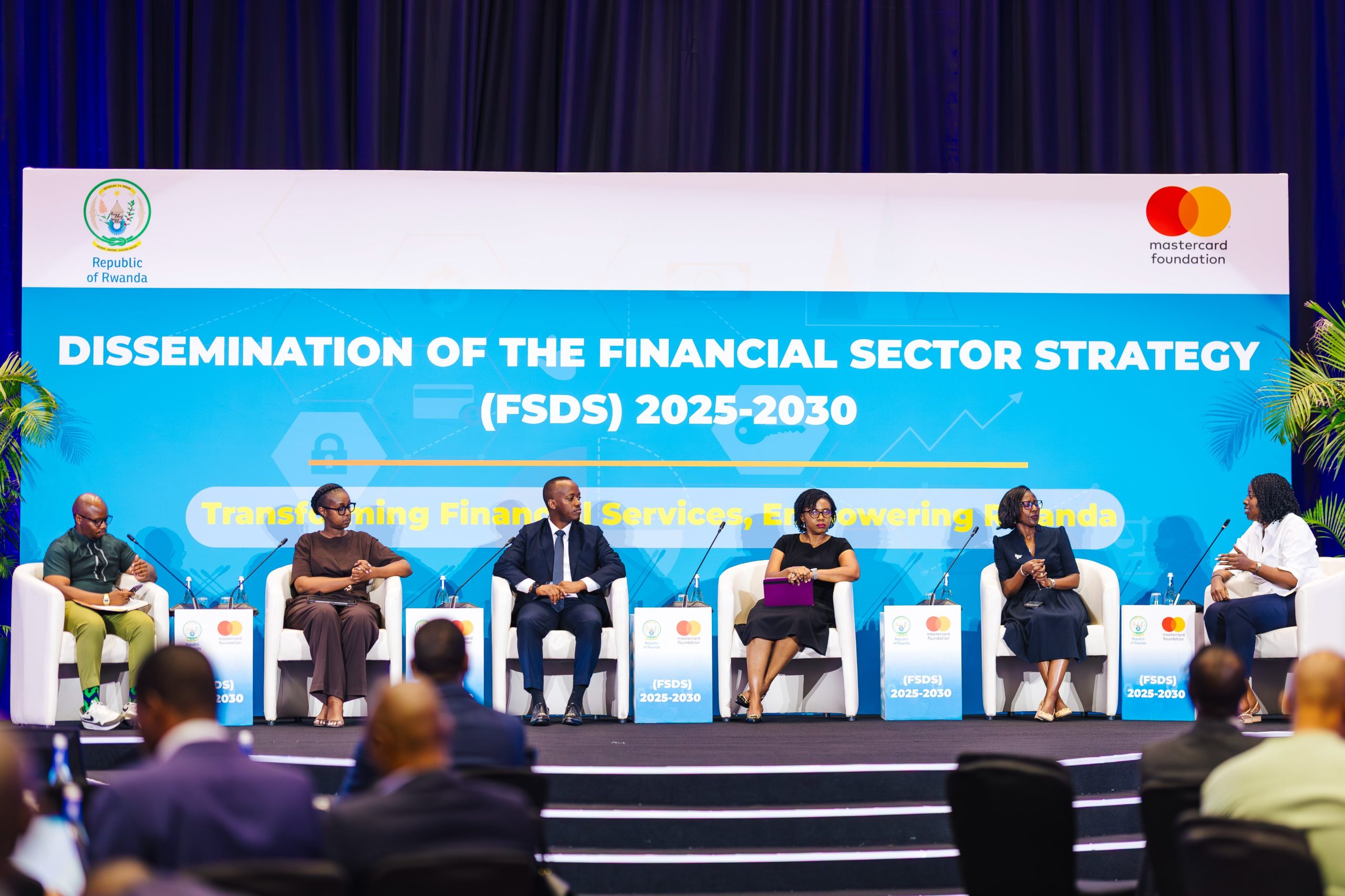
Silvia Heer, Head of Cooperation at the German Embassy, praised Rwanda for including agriculture in the taxonomy, a step even the EU framework has yet to achieve. She highlighted the Rwanda Green Taxonomy Navigator, an online tool that guides banks, businesses, and policymakers on what qualifies as green.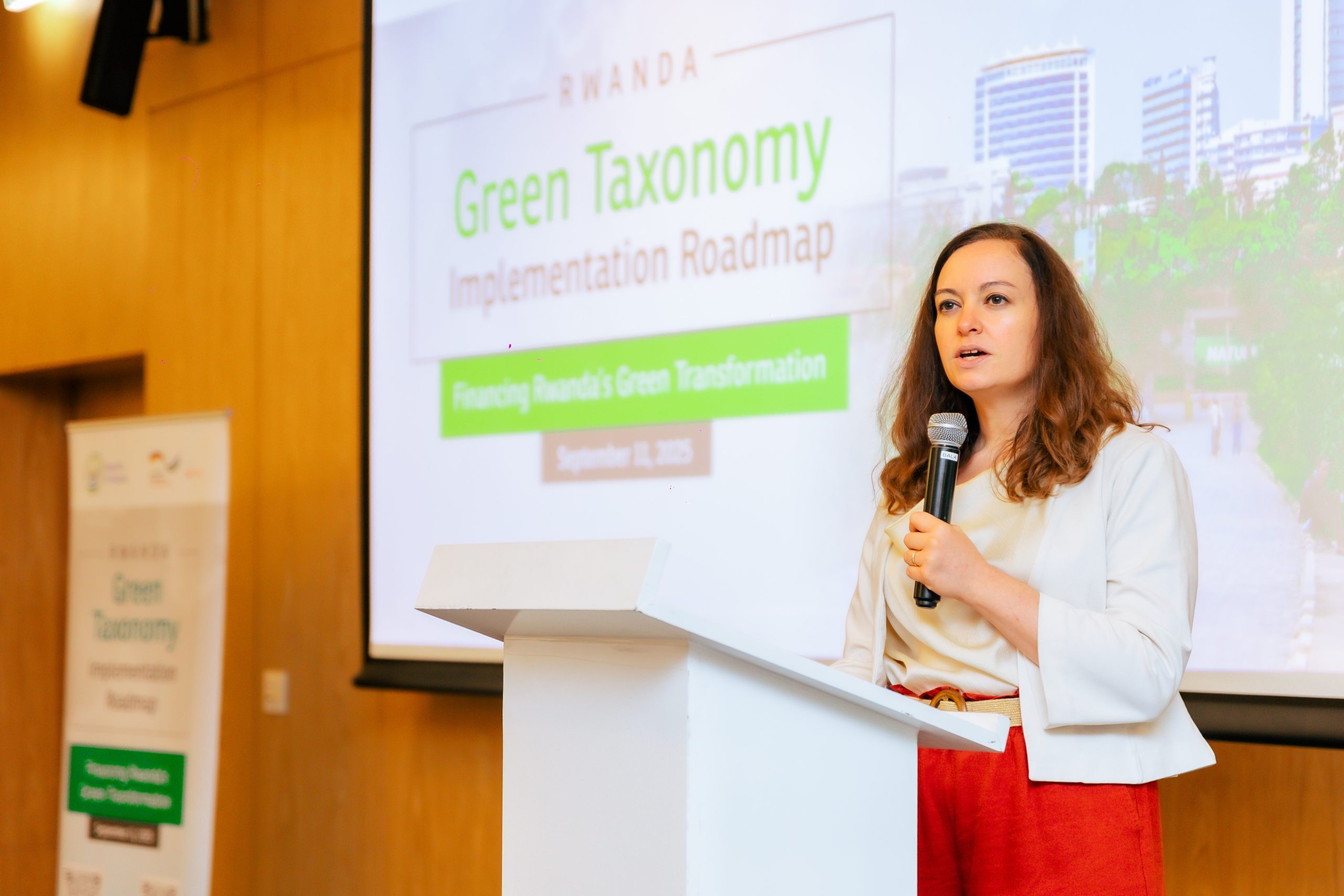
For many, this loops in many categories of people, including those at the bottom of the pyramid. A farmer eager to adopt sustainable practices will not struggle to connect with financiers. The Navigator is expected to bridge that gap.
Fidele Bingwa, PS of the Ministry of Environment, stressed the need for tangible results. “Frameworks are only useful if they produce benefits for our communities. This taxonomy ensures that projects labelled ‘green’ are truly sustainable,” he said, highlighting examples of small energy firms and community projects now able to access funding with validated environmental impact.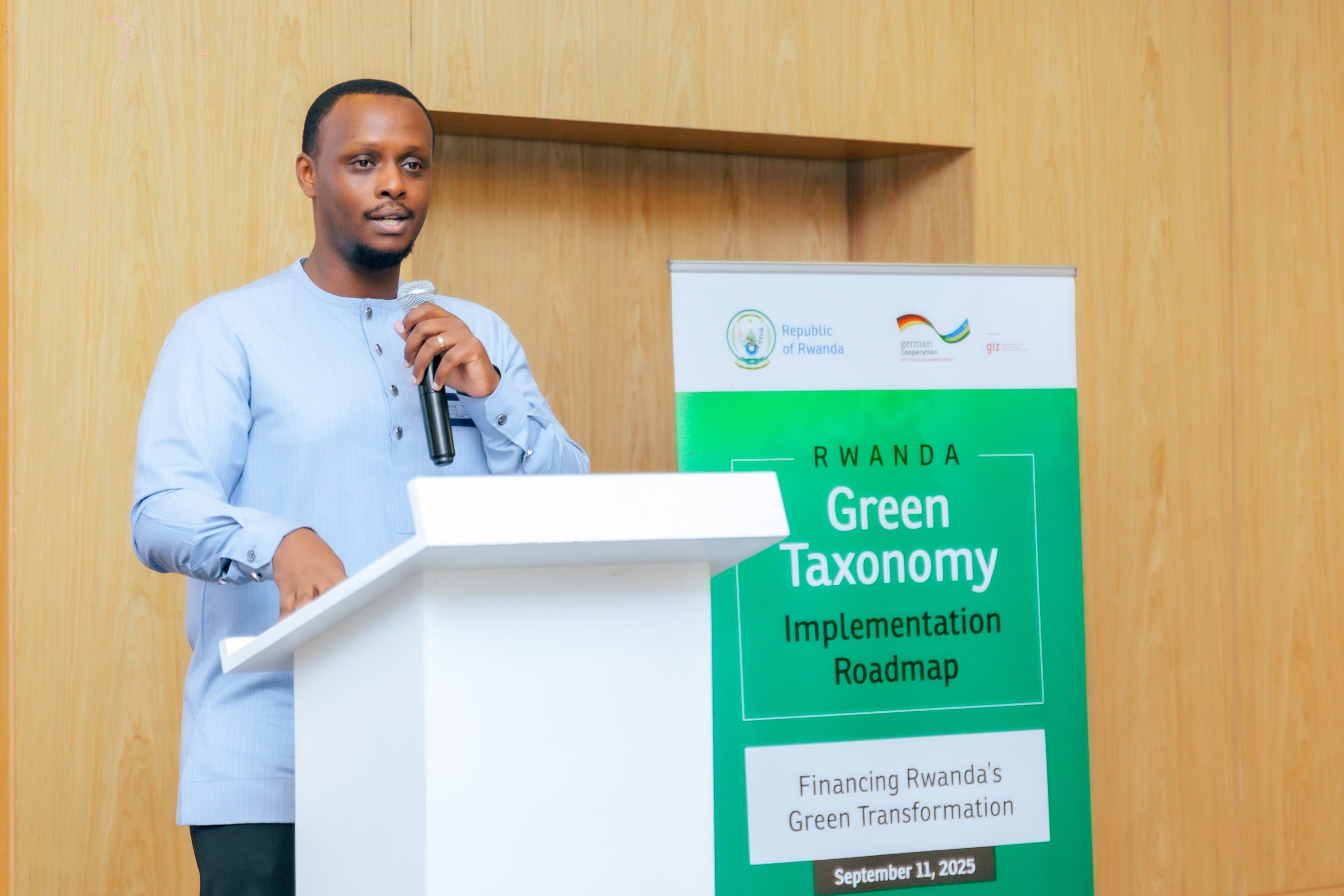
Teddy Mugabo, CEO of the Rwanda Green Fund, explained how the taxonomy supports both mobilisation and deployment of climate finance. Rwanda has already mobilised over US$216 million in green funding through blended finance approaches and partnerships with institutions like the BRD.
Yet deployment can be slow if projects are not clearly aligned with sustainability criteria. The taxonomy provides detailed guidance, enabling farmers and small businesses to design projects that meet international standards and access green loans at subsidised rates.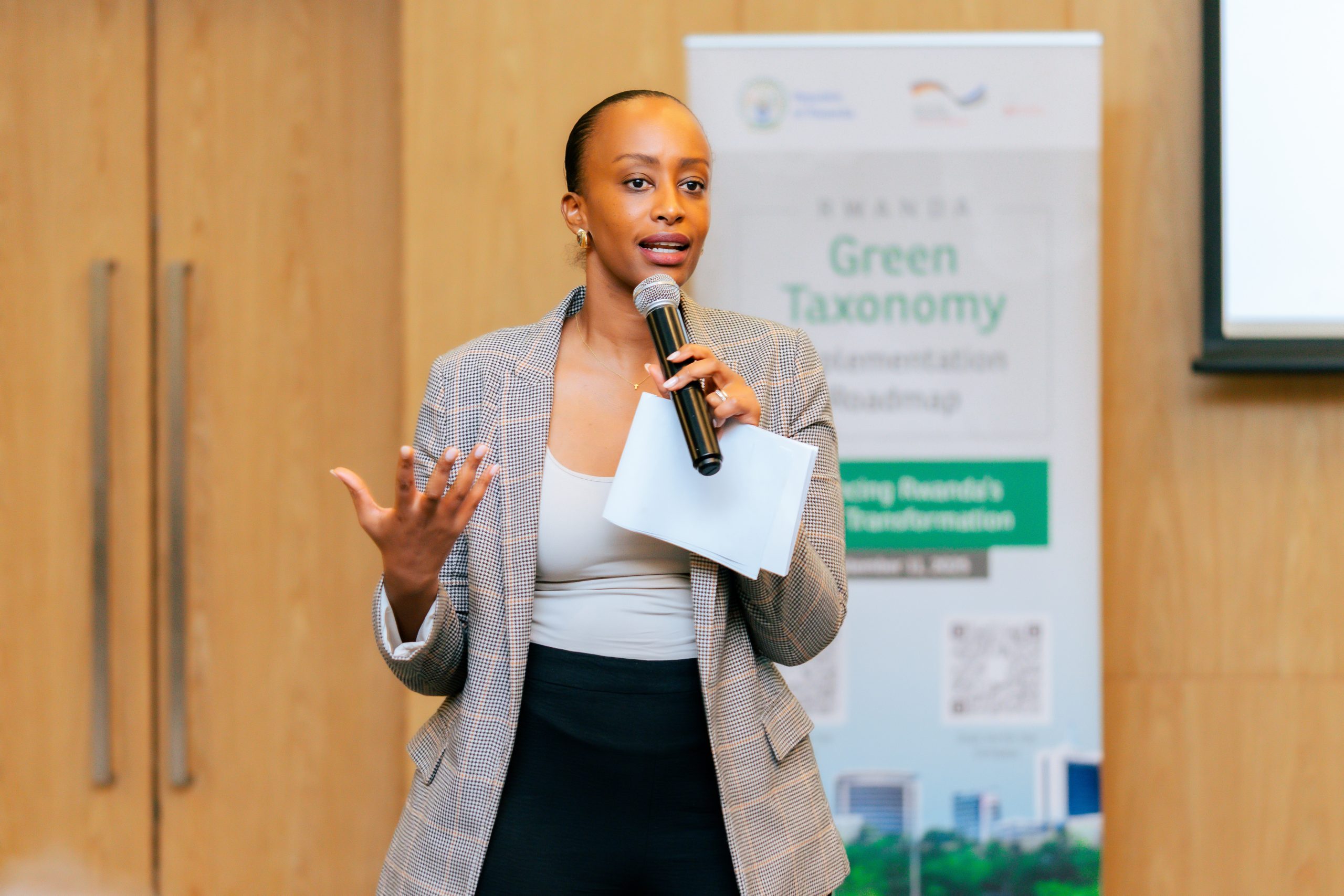
Dynamic and flexible, the taxonomy will expand to include additional sectors over time, ensuring Rwanda’s rapid development continues in harmony with environmental stewardship.
For ordinary Rwandans, it is a practical pathway to finance, innovation, and climate resilience.
By blending global best practices with local realities, the Green Taxonomy positions Rwanda as a leader in sustainable finance, turning ambitious environmental and economic goals into everyday reality.