



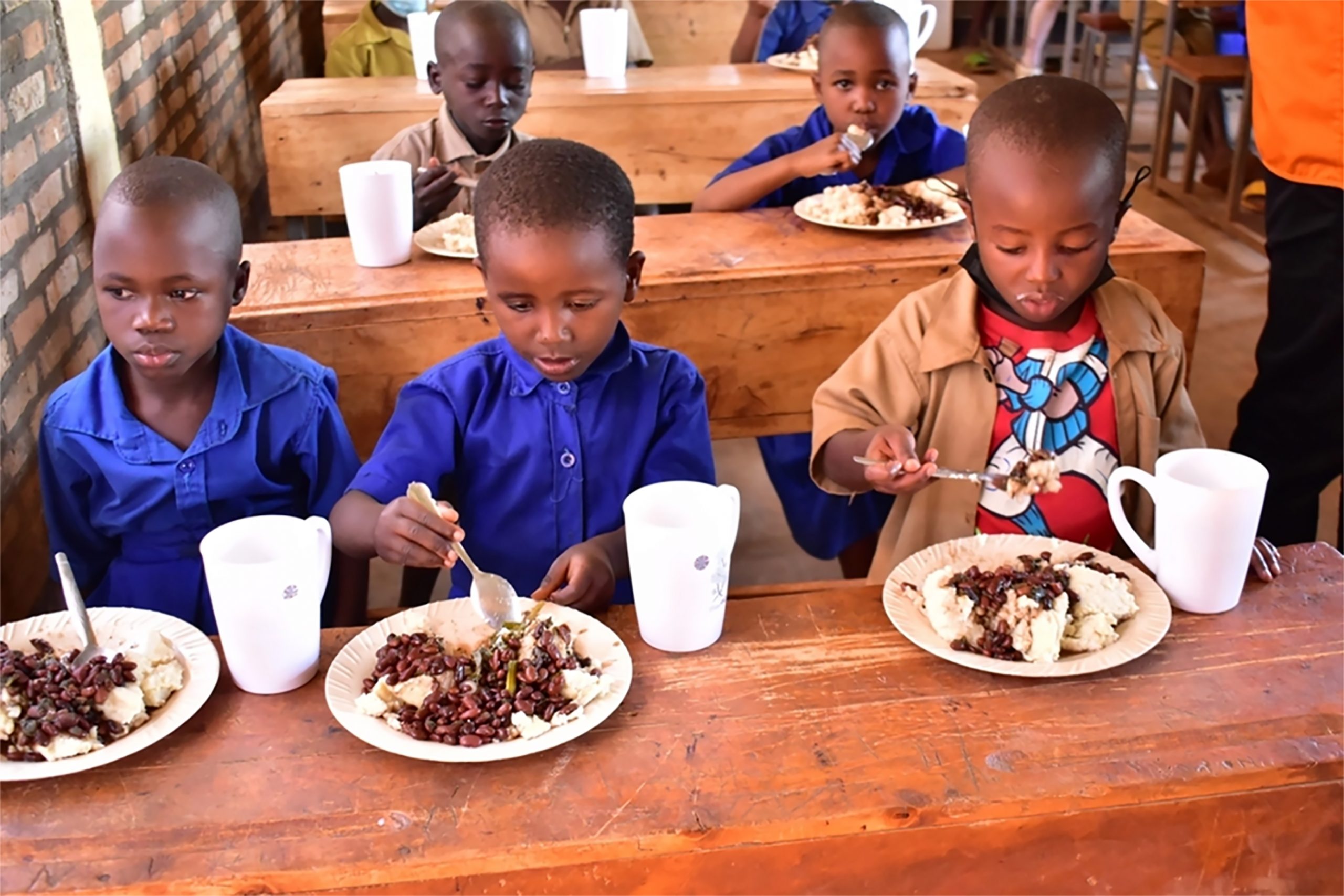
Rwanda is investing heavily in its school feeding program, with the government channeling Rwf135 billion each year to ensure children across the country receive daily meals in schools.
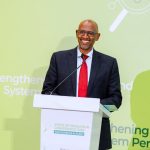
Minister of Agriculture and Animal Resources, Dr. Mark Cyubahiro Bagabe, revealed the figures at the Africa Food Systems summit in Dakar, Senegal, where he highlighted the program’s positive impact on education.
According to Bagabe, the initiative has expanded rapidly since 2022, now reaching nearly 3.8 million learners. “The most encouraging part is that school attendance has improved, and children are healthier. We have also seen a rise in the number of children returning to class,” he said.
Government data shows the school dropout rate has fallen sharply, from 9.4% in 2021 to 6.4% in 2024.
Attendance has climbed to 92%, which officials describe as a milestone in improving education outcomes.
The school feeding program, first rolled out with the construction of kitchens alongside new classrooms in 2021, is designed to fight malnutrition, keep children in school, and improve learning. Parents are also encouraged to contribute either in cash or by donating part of their harvests.
In June 2024, the Ministry of Education launched “Dusangire Lunch,” an initiative enabling citizens to support school feeding via mobile money.
Contributions are deposited through Umwalimu SACCO, with payments made by dialing 1823*10#.
Looking ahead, Dr. Bagabe announced that the program will introduce “vitamin meals” starting September 2025. These meals will include fruits and vegetables rich in nutrients to improve children’s immunity and overall health.
The Ministry of Education estimates that nearly 3.9 million children now receive meals under the program, compared to just 639,627 before expansion, marking one of Rwanda’s most impactful education reforms in recent years.