




I am a passionate enthusiast of the military science and arts; fascinated by strategy, doctrine, and the lessons armies draw from history.
Over time, I have read briefs; explored military literature; and borrowed a few insights from senior commanders. Watch with intent; President Paul Kagame’s address to RDF and other security agencies.
The recent address is one of them; not once, but several times.
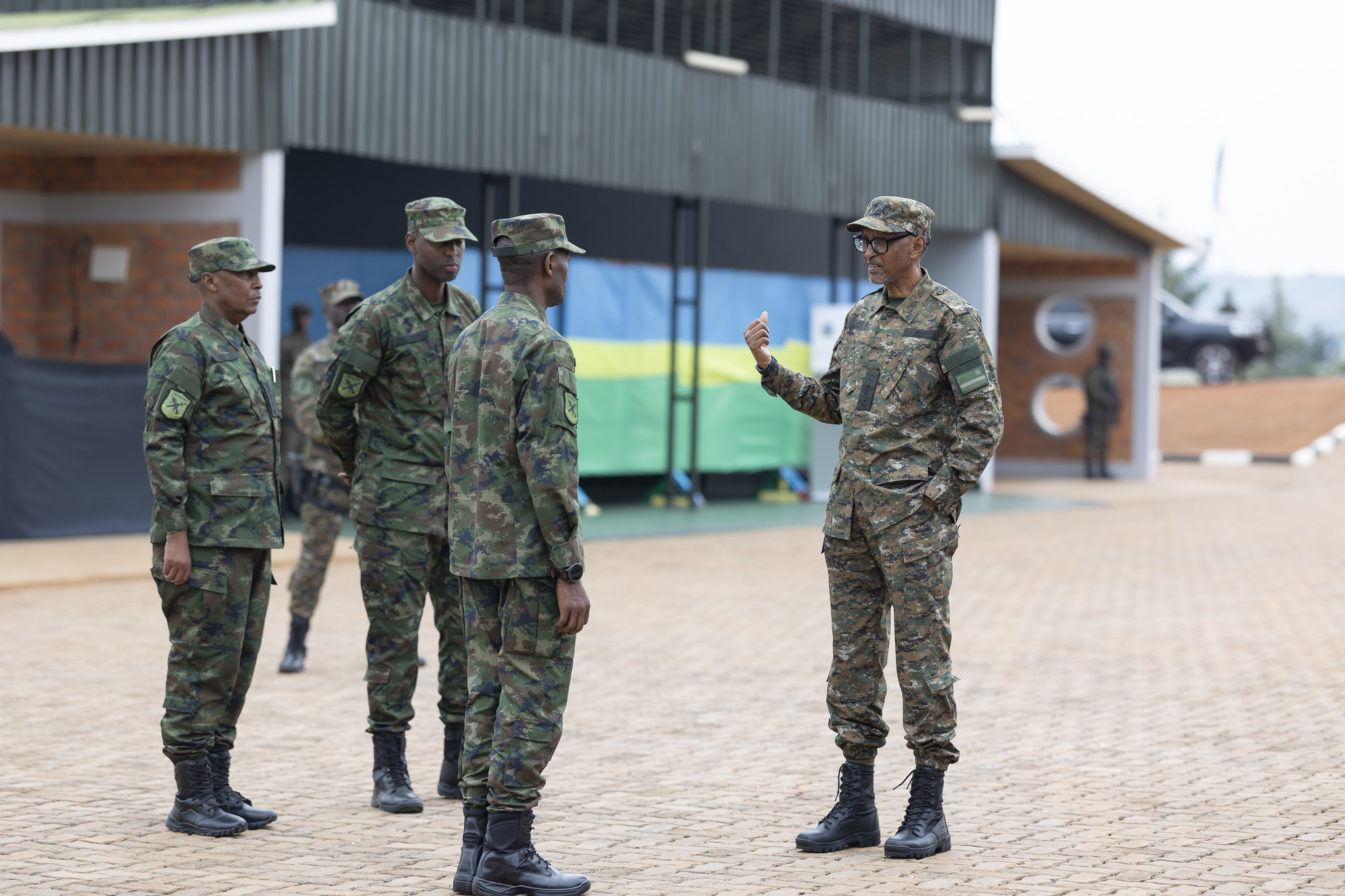
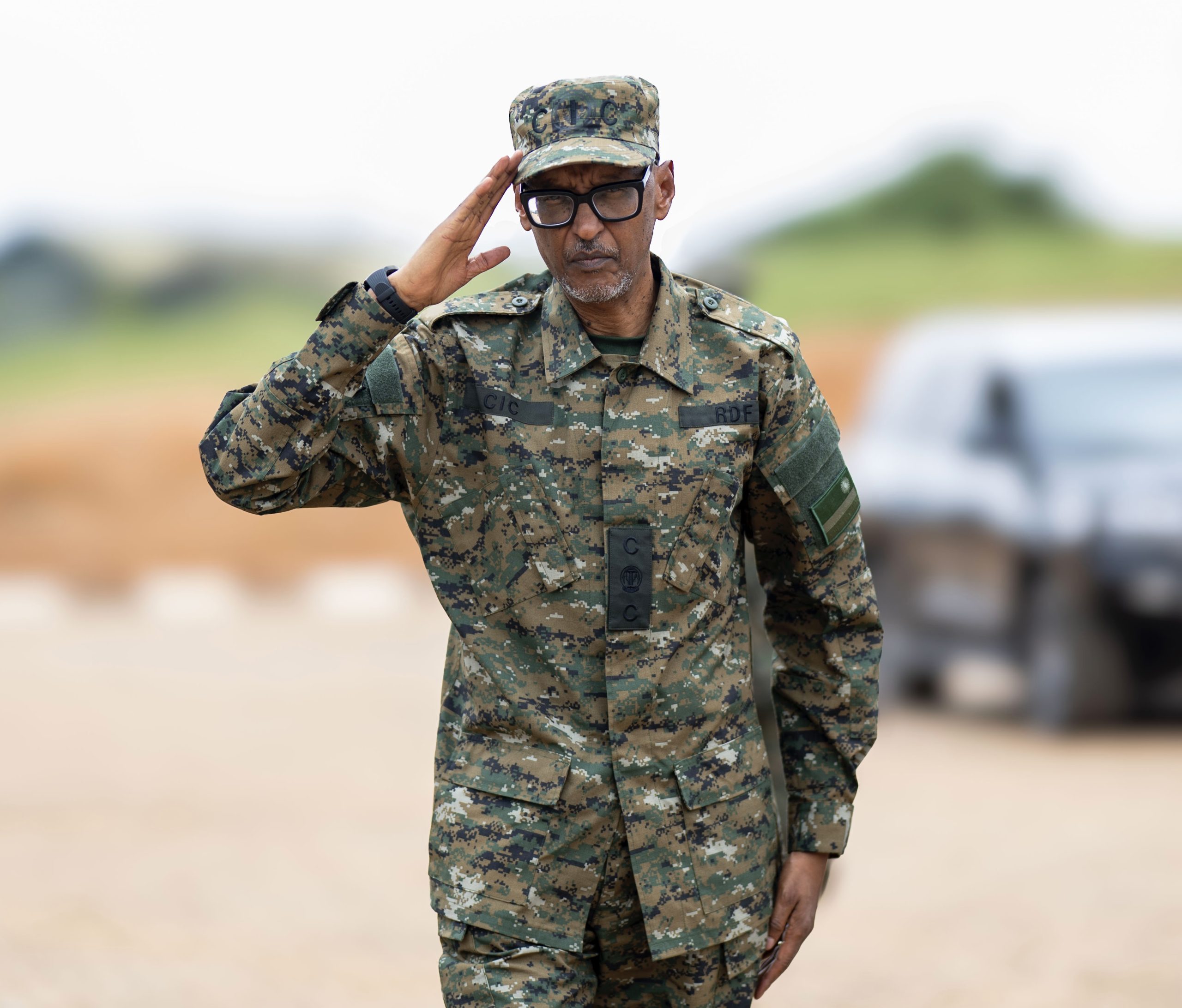
The more I listened, the more I realized: this was not a ceremonial speech; it was doctrine. It was Kagame, the guerrilla fighter turned statesman, speaking both as a veteran and as a strategist to 6,000 young men and women about to join the RDF, police, and prison services; a complete loop of Rwanda’s security apparatus.
Note that this cohort follows thousands of others in recent months. RDF and RNP are not short of forces, but never is there enough boots in any force anywhere.
I will attempt to unpack the address.
It was all in Kinyarwanda. Gently and meticulously delivered.
His voice carried the clarity of a man who has fought on every terrain; from bush warfare with meagre rifles to commanding one of Africa’s most professional armies. He was not speaking to impress; he was passing on a philosophy.
Kagame’s words carried the discipline of a soldier who understands that battles are not won by chance; they are won by meticulous planning, precise execution, and responsibility to those who carry the weapon.
In other words, his tone was less of celebration and more of commissioning; he was inducting a new generation into an old struggle. The lesson was clear: anyone entrusted with arms in Rwanda; whether in the army, the police, or the prisons ; must therefore understand they are part of one continuum.
They must be as capable of dealing with civilians in peace as they are of confronting an enemy in combat.
He spoke of this as a tight loop; a vision of a seamless security system that integrates internal order, external defence, and the safeguarding of justice.
Furthermore, one principle he pointed out ran like a refrain: that every bullet must have a name. This is deep. It is a guerrilla ethic carried from Mukotanyi style into the DNA of a modern professional force. For Kagame, waste is defeat. A soldier cannot afford to release fire casually; every shot is measured against mission, cost, and consequence.
For instructors that train soldiers today, it means preparing recruits for more than conventional combat, but contemporary warfare that is mult-layered; information warfare, economic warfare and combat overlap. A soldier must therefore think like a strategist: before pulling a trigger, he must calculate his safety, his resources, and the ripple effects on society. As the old saying goes; amateurs discuss strategy, professionals discuss logistics.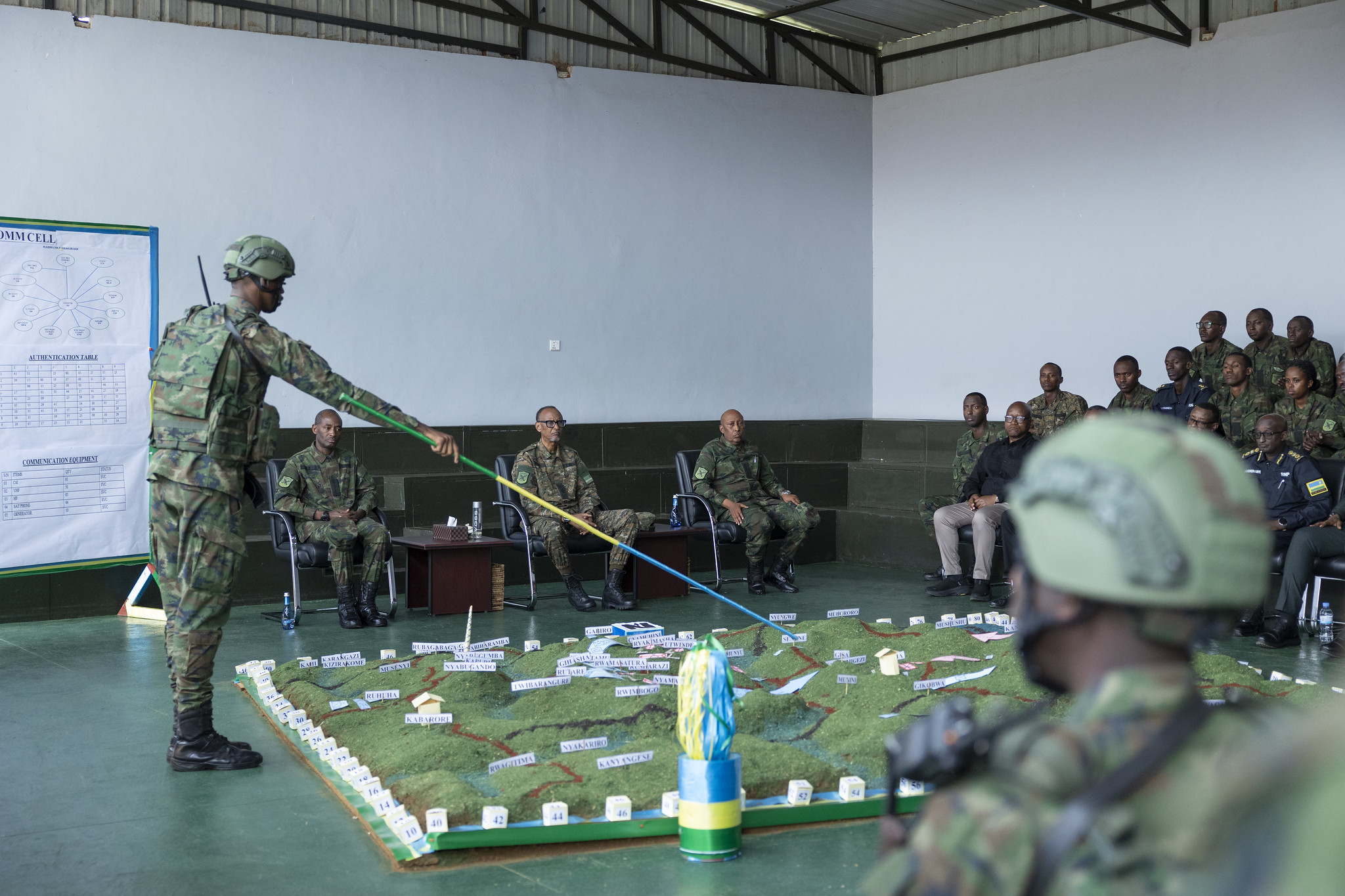
To this; thus, Kagame was reminding his officers that wars are sustained not by bravado but by planning, precision, and supply.
That is Kagame’s doctrine of fighting to win. To win is not simply to overpower; it is to subdue with precision, deplete the adversary’s resources, and achieve maximum results with minimal expenditure. He is, in this sense, shaping a firepower army; one that fights with clarity, strength, and restraint.
He illustrated it with the striking image of the cost of a bullet or a missile; the army must fire once, but that single shot must achieve what hundreds or thousands were meant to do. A bullet is not just metal; it carries economic weight, political implications, and moral responsibility.
What does that mean, if one must assess? It means Rwanda’s army, therefore, must be trained to fight like scientists; with calculations, with discipline, and with foresight. Napoleon once said an army marches on its stomach; and Kagame extends that wisdom a far from the box; that an army must also march on its economy and its conscience.
Here Kagame was drawing from his own lived history. During the bush war, the RPF fighters would count bullets at night under candlelight; marking how many were left for the next day’s operation. The idea that a bullet could not be wasted was not theory; it was survival. He has carried that ethic forward into modern doctrine, turning scarcity into a culture of precision. The lesson is timeless; an army that wastes resources is an army that courts defeat.
Yet Kagame also reminded that war is costly and often unnecessary. Time and again, he speaks of how he who doesn’t know the damage it inflicts, easily mongers about war. It is not something a nation should seek. But should Rwanda be forced into it, the doctrine is simple: fight to win; not to manage. Half-wars, endless engagements, or compromises are luxuries Rwanda cannot afford. His words were sharp, almost dismissive of warmongers in the region who, as he noted, openly threaten Rwanda. There are those who threaten us daily with war; we are not afraid, but we do not seek war either. If it comes, it will be decisive.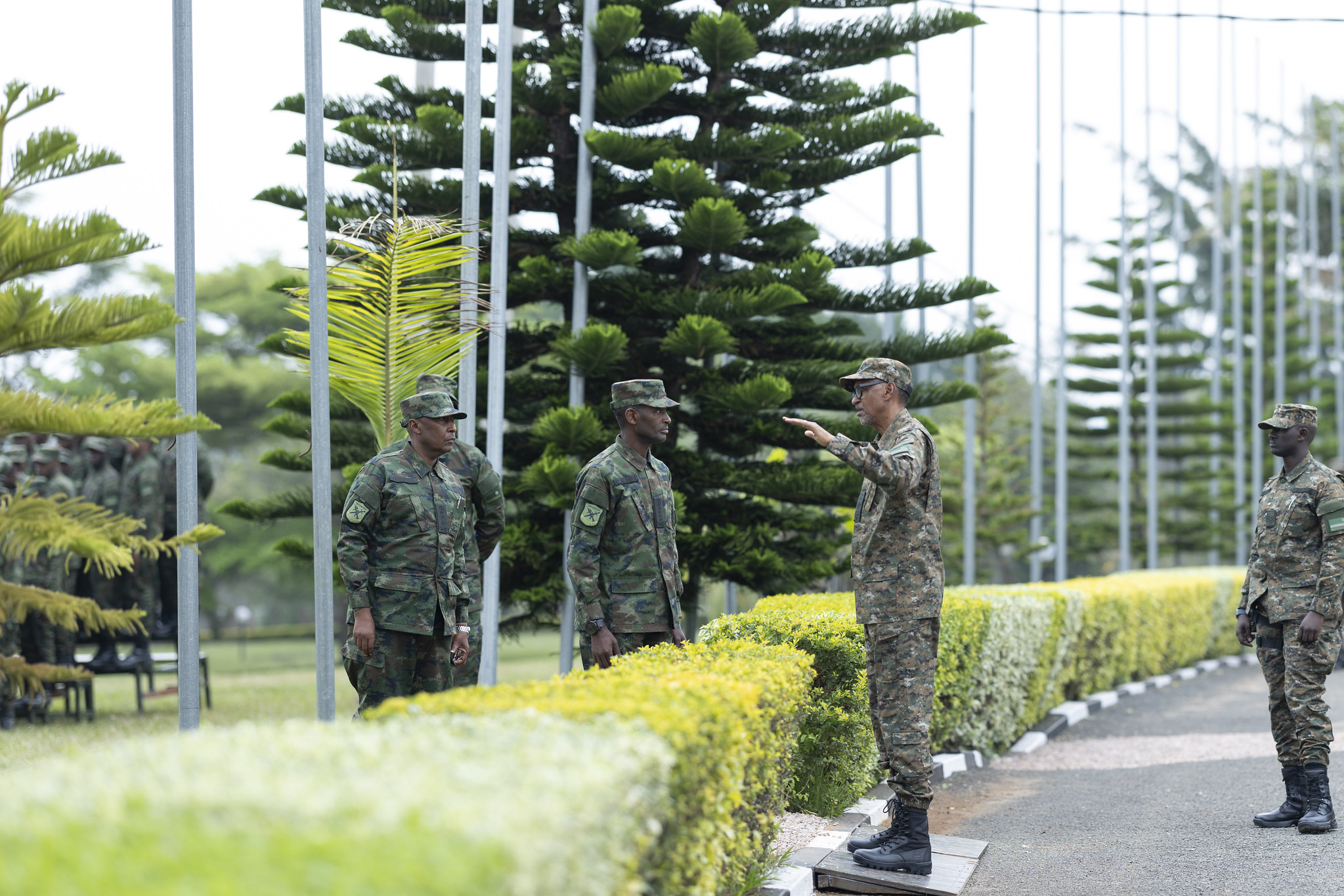
This clarity of purpose reflects Kagame’s dual character; the veteran who knows the true cost of wars, and the commander who refuses indecision when survival is at stake; a trait bequeathed to a true and capable leader needed at the most difficult time.
Listening to him, one could not miss how he understands the invisible frontlines; those whose swords and rifles are invisible. He recalled how the 1994 Genocide against the Tutsi was dismissed abroad as “Africans killing each other with machetes; distortion that haunts to this day. And he noted that today, Rwanda faces similar distortions in the DR Congo; where the merchants of fabricated narratives strangle the national fabric. They are equally an enemy as those with a gun.
While Rwanda pursues peace, domestically and internationally, extending a generous hand to those entangled in conflict and insurgences, the world says Rwanda exports mercenaries, when in fact it exports discipline and security.
Kagame’s references to Rwanda’s deployments in Mozambique, South Sudan, and the Central African Republic were also telling. He rejected the notion that Rwanda exports mercenaries. Instead, he reframed it; Rwanda exports discipline, professionalism, and security. When Rwandan forces deploy, it is not to pursue hidden interests; it is to show the value of a Rwandan soldier. For the RDF, these missions are not only diplomatic gestures; they are also training grounds for expeditionary skill — sustaining forces in hostile terrain, integrating with allies, adapting at distance. And yet Kagame’s caution was implicit; these deployments must reinforce, not dilute, Rwanda’s readiness at home.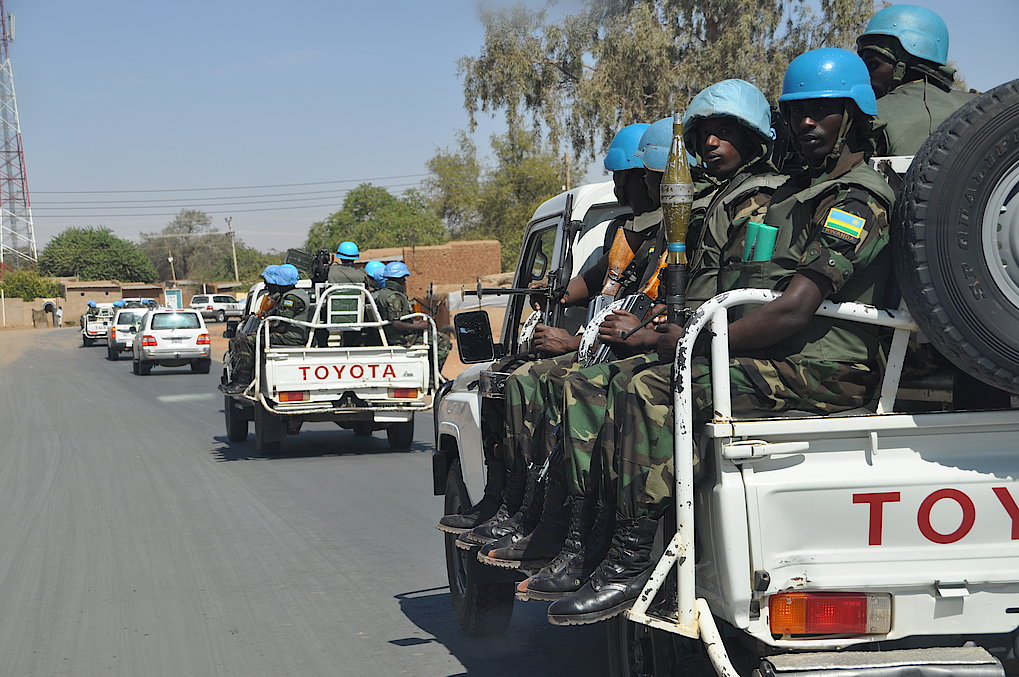
For Kagame, this is not just rhetoric; it is information warfare. Modern soldiers must therefore defend both territory and truth. Evidence, memory, and disciplined communication are as much weapons as rifles. In a world of narratives, legitimacy itself becomes firepower.
Meanwhile, without getting lost and missing something profound, I noticed that Kagame was also speaking as a statesman. He warned against the toxic and primitive rhetoric of Hutu versus Tutsi politics that once destroyed Rwanda. We were destroyed by ignorance and division; we cannot fall into that trap again. It is quite profound that he reminded his solders that divisive politics is not just a danger to society; it is a vulnerability the enemy will always exploit. Here he connected politics to security: that a united nation is defensible, a divided one collapses from within. His reminder was that their service is not only to enforce laws or repel enemies; it is to protect the unity that underpins Rwanda’s survival.
It was impossible not to notice the contrast Kagame drew, and celebrated, between the RDF of yesterday and that of today. The old RDF (RPA), forged in bush struggles, was a force of necessity. The new RDF is a force of sophistication; young, educated, well trained, and contemporary in outlook.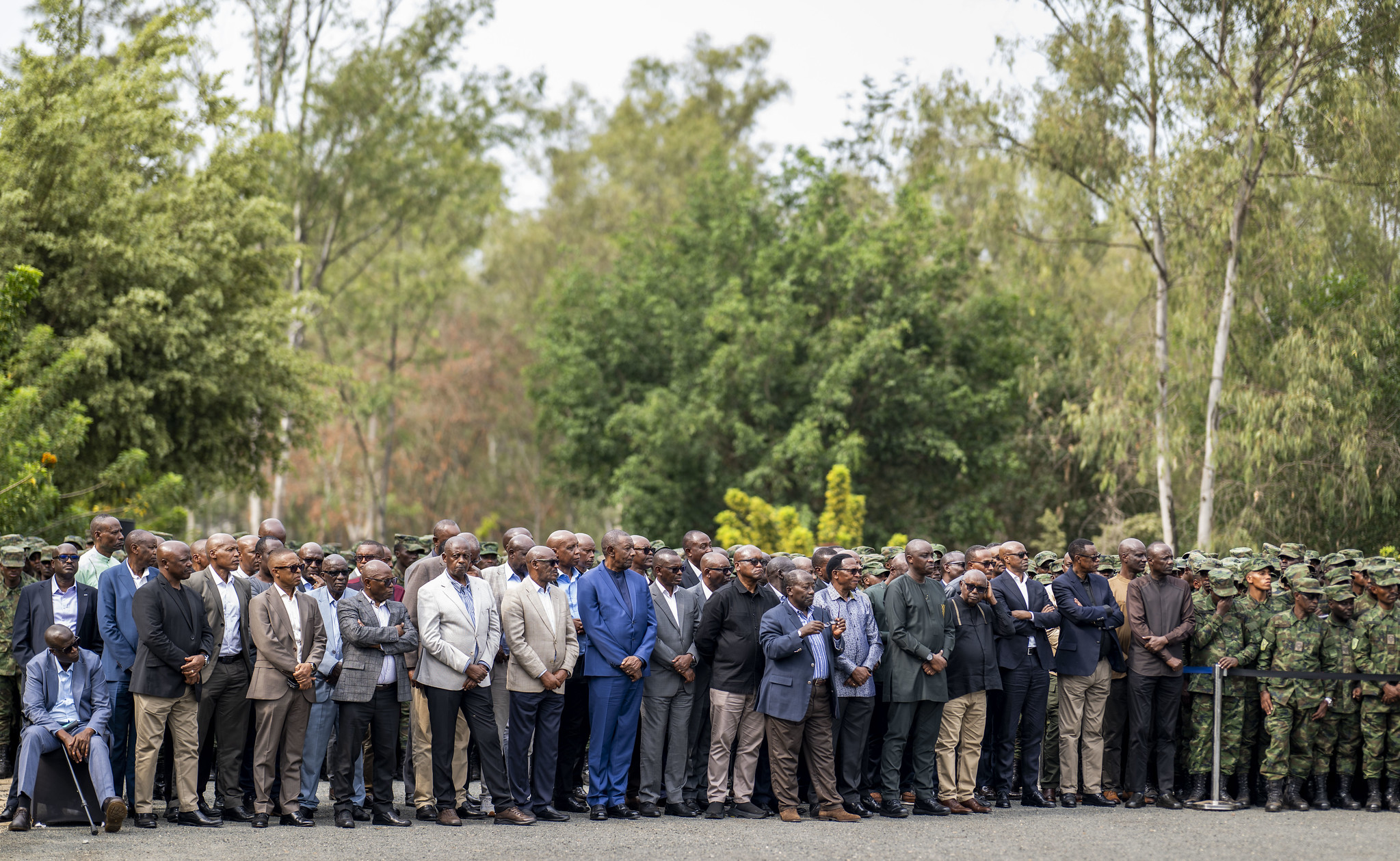
Notably, their morale songs and chants are no longer the same ones sung in the 1990s; they are in Kinyarwanda and Kiswahili, with new words, new rhythms, new instruction skits that reflect a changing culture. Their drills are sharper; more synchronized; drawing from global best practice. Their weapons are more sophisticated; their tactics more precise; their doctrine more refined. Watching them march, the old guards, Kagame’s comrades who once carried worn-out rifles in the bush; could not hide their pride. The RDF has become a lethal force; but also something greater: an intelligent, culturally rooted, and future-oriented shield of the nation.
Above all, Kagame placed his words in historical continuity. Behind him stood the veterans, the old comrades who fought alongside him in the bush and later built the state. In front of him stood 6,000 graduates, fresh uniforms, new faces. The symbolism was deliberate; the struggle continues. To the young, he signaled: you inherit not only weapons but a doctrine of responsibility, precision, and unity. To the old, he reminded: you may retire from uniform, but not from duty. A soldier never truly retires; he continues the struggle in every stage of life.
And that, perhaps, is the genius of Kagame’s military philosophy. It is not simply about guns, drills, and deployments; it is about discipline as a way of life; about war understood in its totality, economic, political, cultural, and moral. It is about making every bullet count; not only in the field but in the larger story of a nation that refuses to waste its destiny.
Understanding him is a gift, a privilege and a useful tool that shapes one’s mindset. He is the center of gravity. It is imperative to understand where the energy flows.
If you haven’t watched the speech, look for it; my two cents.