




Every faith offers a compass for conviction; in Islam, Dakwah teaches that destiny is guided by divine blessing; in Christianity, believers hear, “God’s time is the best”; in African traditions, ancestors and spirits guide major decisions; across these frameworks, tomorrow is never entirely in human hands.
In short, this school of thought leans on the notion that belief shapes action, but often with trust in forces beyond measurable control.
The other school of thought hinges on convictions that are forged not in prayer but in design.
Let me explain:
The Chinese planners drafted a 100-year roadmap to transform their nation; the Japanese industrialists anticipated factories and railways; and the Silicon Valley innovators predicted the world’s need for microchips and software.
These achievements were meticulously engineered.
Unlike the faithful, who wait on providence, manna from Heaven, these architectural individuals construct their futures brick by brick, layering plans with metrics, deadlines, and contingencies.
Planners think in measurable terms; they avoid tribalism, nepotism, and primitive politics; they map targets, monitor progress, and course-correct when necessary.
Evidently, this approach produces tangible results.
The lesson is clear: careful planning and adherence to principles deliver outcomes, even without ceremonial authority.
I invite your contradictory opinion.
I have observed that Africa, however, dresses ambition as destiny; leaders are “chosen” or “anointed,” and political inheritance masquerades as divine will.
My elders like Andrew Mwenda have argued that politics in Africa is an enterprise. Basically, it’s where inheritance is called destiny; overlooking systemic discipline in favor of symbols.
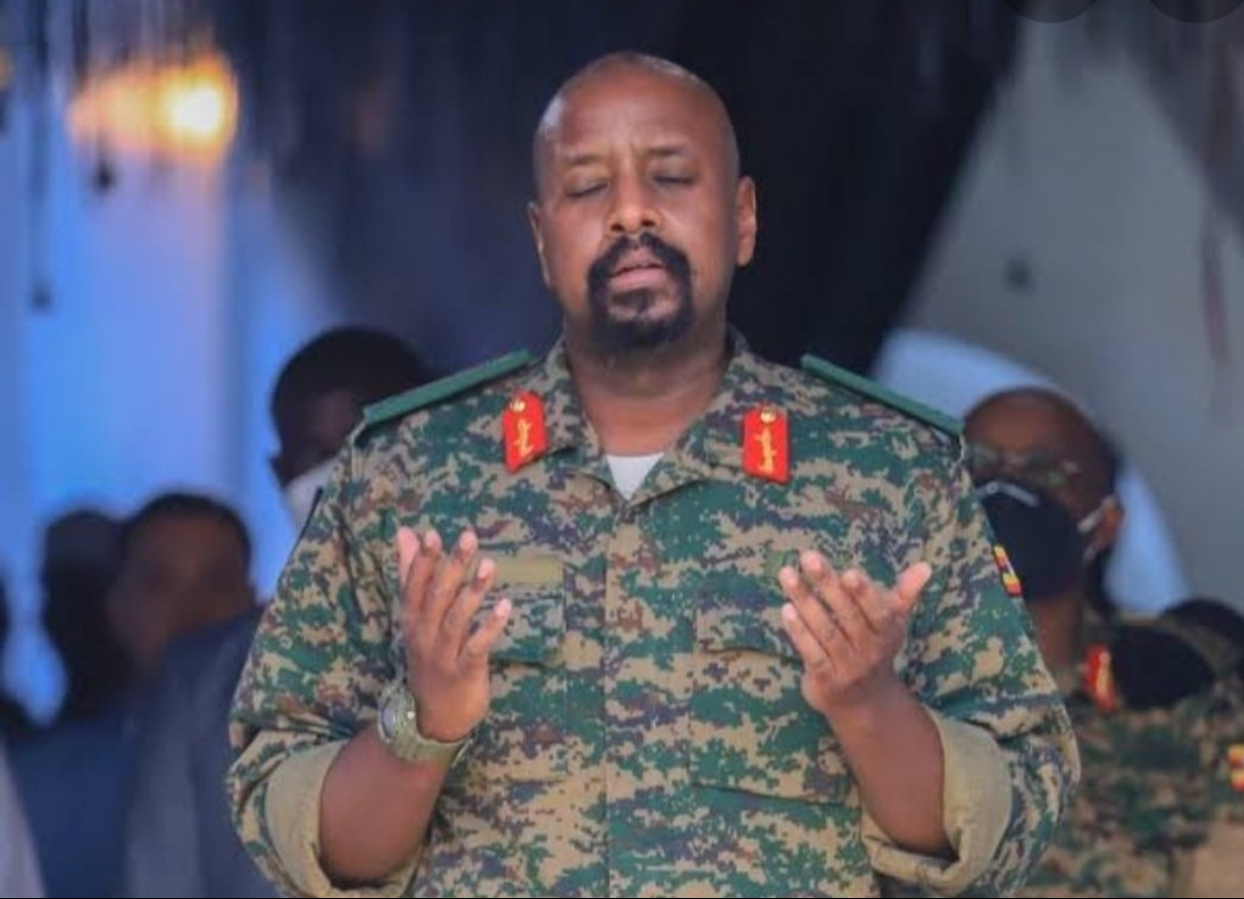
I want to draw your attention to a Muchwezi from the north; General Muhoozi Kainerugaba, President Yoweli Museveni Kaguta’s son.
If he indeed Gen Kainerugaba believes he will become Uganda’s next president, one must ask; is he a diehard Muchwezi, relying on spiritual powers to guide his ambition, or a strategic architect, assembling alliances, military experience, inherited networks, and measurable plans to achieve it?
Observed from a distance, one sees an African son defying tradition, carefully crafting his path. Perhaps providence plays a role, but all evidence points to a deliberate design. I could be wrong, yet the pattern is unmistakable. I know Maama, as Gen Museveni likes to address her, will ponder on this, deeply.
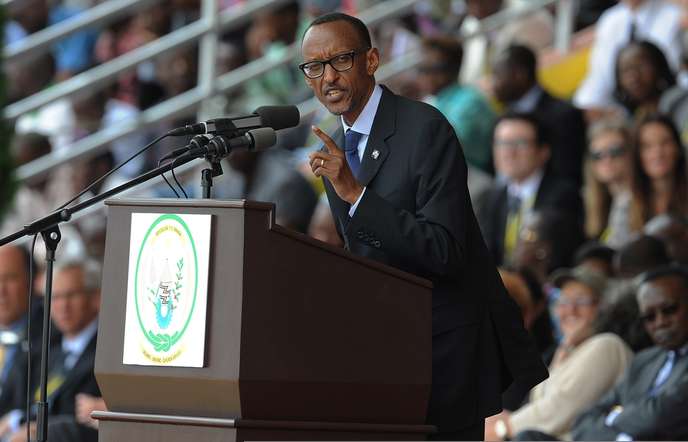
Now, let me dig deeper. Scholars of history will concur with me that history favors engineered conviction. Take for example, Paul Kagame’s Vision 2020 and Vision 2050. These are blueprints he laid to secure the success we see today. They were/are frameworks, not miracles; success is built, not awaited.
To the contrary, and that’s my point, faith without a roadmap is motion without purpose; leaders succeed by marrying conviction to action, whether secular or spiritual.
Planners deliver results because they measure, adjust, remain accountable, and avoid favoritism; believers rely on providence; non-believers rely on plans; and it is often the latter who reach their goals.
Africa’s challenge is clear; we crown ambition as divine while overlooking those who engineer outcomes; until we value discipline, metrics, and careful planning over symbolism, ambition parades as destiny, and our benchmarks remain borrowed.
Therefore, watching admirers and supporters of figures like General Kainerugaba, one wonders: is a Muchwezi counting on the spirits, or a strategist who is building his empire brick by brick?
By the way, out of or far from the box, does he really have Presidential ambitions or not?
Mungambire bantu mwe!
The author is the chief editor of this publication.