







In Rwanda, storytelling has always been more than entertainment. Elders shared ibitekerezo by the fire; poems, proverbs, and tales carried lessons across valleys and hills.
A story was never just words. It was a bridge; it tied people together, made them laugh, made them reflect, and sometimes changed the way they lived.
Today, that fire has moved to our screens, and one of the brightest flames is Snapchat.
What makes Snapchat unique is that it is active; it is not just about posting and waiting. You engage, watch, reply, create. It moves with you. Whether you are a student in Huye, a shop owner in Nyamirambo, a marketer in Kimihurura, or a parent wanting to share daily life with children abroad, Snapchat is easy, playful, and surprisingly human.
Aline Niyonsaba, a university student in Huye, posts short Snaps about campus life; study hacks, funny cafeteria moments, and poetry lines.
At first, she thought no one cared, but then her Snap Views rose; dozens of classmates returned every day.
She counted her Viewers, the unique friends seeing her Story; noticed her Average View Time climbing, people stayed to watch her poems more than jokes.
She received her first Crystal and told her friend, “It felt like someone tapped me on the shoulder and said, ‘Keep going, what you’re doing matters.’”
The likes, replies, and Crystals made her Snap habit addictive, tugging at her dopamine; but also inspiring.
In Nyamirambo, Eric Habimana, a small business owner, posts Snaps of his handmade jewelry; cutting, stitching, polishing. Customers take Screenshots, send Replies, and sometimes Swipe Up to visit his online store.
Within weeks, he makes sales to people who have never visited his shop.
People watch his every step, sometimes commenting on colors or designs before the shoes even leave his workshop.
Even mundane moments become playful stories. On car-free Sundays, students post Snaps of rollerblading near Kigali Arena; mothers share the first bite of brochette and joke, “Snap eats fast,” before tasting it.
A taxi driver films a dramatic scooter chase down Kimironko streets; a security guard posts the sunset from Mount Kigali.
Snapchat hides nothing; it shows life as it unfolds, capturing spontaneous laughter, messy kitchens, and small victories. But it also affects behavior; people post with care, hoping to entertain, influence, or show presence.
Influencers in Kigali use Snapchat to promote brands and products; fashion, food, and tech feel alive and immediate.
Small businesses and cafés use Lenses, playful filters that attract attention. Yet corporate offices and government agencies are still mostly watching, not participating.
Imagine the Rwanda Development Board sharing daily Snaps of gorilla treks or local festivals; or a telecom company showing short tutorials on mobile banking and digital services.
Health campaigns, educational programs, even urban planning projects could reach young people faster than posters or radio ever could. Note that fewer uptown residents in the city listen to radio or watch television.
Snapchat could be a bridge between institutions and citizens, but only if they embrace it.
Funny, serious, and interesting anecdotes abound.
A student in Gikondo snaps a goat wandering around the compound; her friends reply with laughing emojis.
A baker in Kimihurura posts a short video of a cake disaster; it goes viral because of the dramatic “powder explosion” moment.
On a serious note, a Kigali nurse shares Snaps explaining vaccination steps in Kinyarwanda; helping families understand the process quickly.
A small NGO posts Snaps showing before-and-after village cleanups; inspiring viewers to act.
These moments show how Snapchat can be playful, educational, and socially meaningful at once.
Yet, Snapchat has risks.
Its disappearing content encourages quick attention and can make scrolling addictive. Users may compare themselves to influencers and feel pressure or frustration.
Misuse for cyberbullying is harmful, so it is important to use responsibly. But at its best, Snapchat connects people deeply.
Its Chats and video/audio calls make it easy to reach friends, family, or collaborators anywhere. It is a playground, a marketplace, a communication hub, and a bridge between generations.
Snapchat terms like Spotlight, where short public videos are shared; or Total View Time, which sums up how long people watch; are tools that help creators, marketers, and even corporate communicators understand their audience.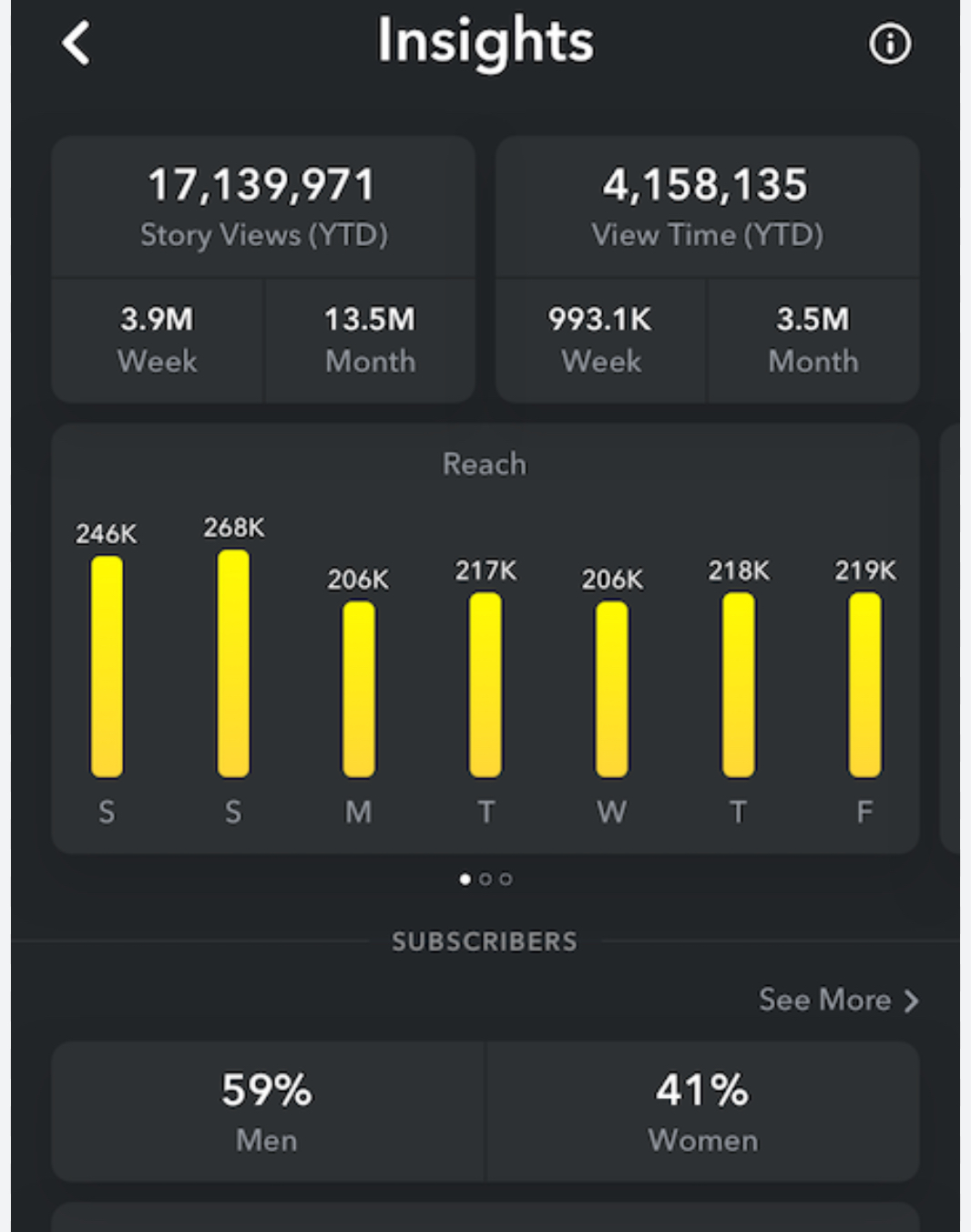
Knowing who your Engaged Story Audience is; what Top Locations they are in; and which content keeps them watching allows anyone; from a Kigali bakery to a government office; to create stories that matter.
In Rwanda, where creativity, resilience, and community spirit run deep, Snapchat is more than an app.
It is a digital firepit where a student, a shopkeeper, a mother, a government office, and a brand can all sit together, telling stories that spark, spread, and stay alive.
The true value of a story is never in how many people heard it; it is in how many remembered it, shared it, and carried it into their own lives.
In Kigali, Snapchat is turning ordinary days into playful, shared, unforgettable stories; and it could do so much more if everyone, from influencers to government agencies and corporate offices, joined in.