




The Government of Rwanda and the African Development Bank (AfDB) have signed an Aide Mémoire to conduct a feasibility study for the second phase of the Gabiro Agribusiness Hub (GAH), a flagship project aimed at transforming the country’s agricultural sector.
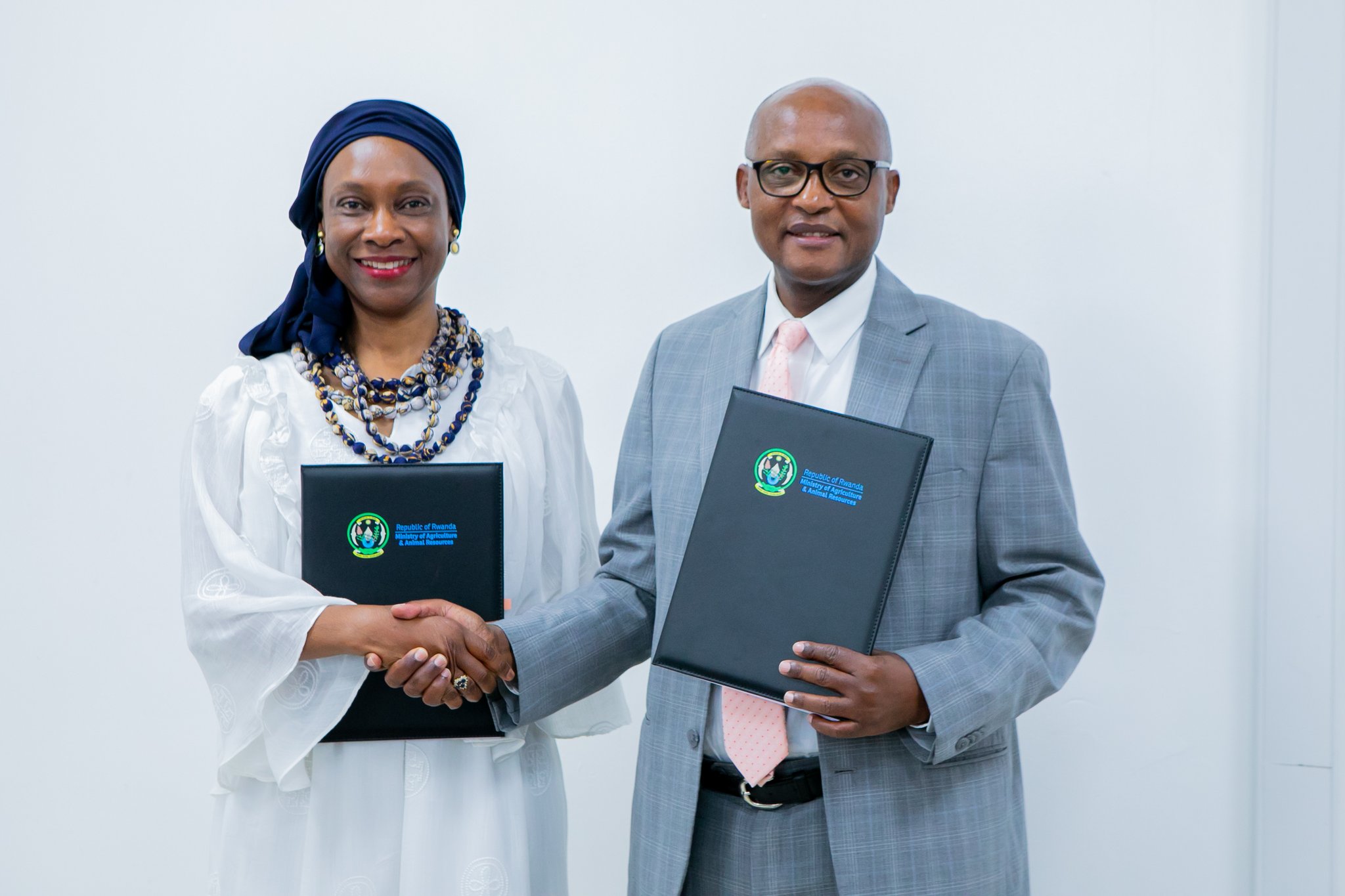
The agreement, signed at the Ministry of Agriculture and Animal Resources (MINAGRI) by Minister Mark Cyubahiro Bagabe and AfDB Rwanda Country Manager Aissa Touré Sarr, marks another step in Rwanda’s ongoing drive to modernize its agriculture.
The study will not only assess the viability of establishing a special agro-industrial processing zone at the hub but will also evaluate the integration of cold storage facilities, aggregation centers, and other critical infrastructure.
These facilities are expected to strengthen value chains and provide much-needed support to smallholder farmers.
The Gabiro Agribusiness Hub Ltd is the result of a joint venture between the Government of Rwanda—through MINAGRI and the Rwanda Development Board (RDB)—and Israeli irrigation technology leader Netafim Ltd.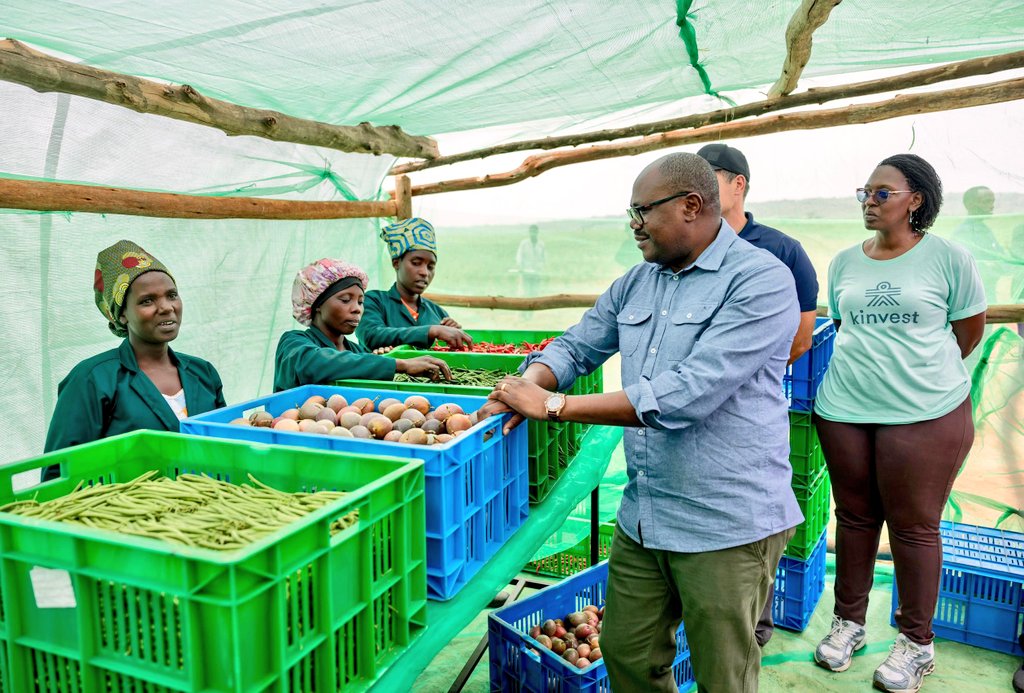
While the government holds a 90% stake in the project, Netafim contributes 10% in-kind, bringing global expertise in advanced irrigation systems.
Phase I of the project, which covers 5,600 hectares, represents a total investment of $73.9 million, including Netafim’s contribution.
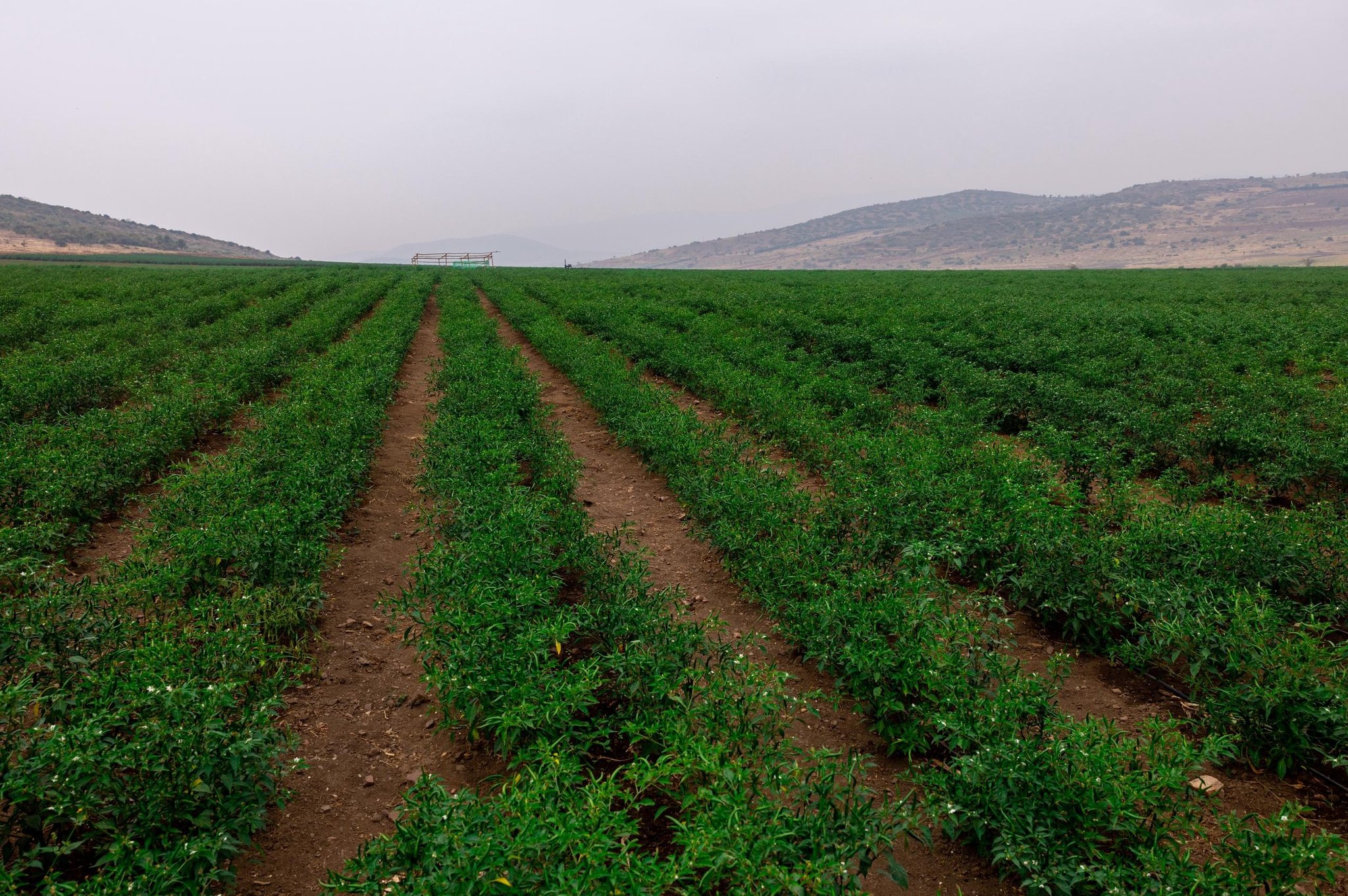
Building on this foundation, the fully developed hub will span 15,600 hectares and offer cutting-edge irrigation technology, modern agro-processing facilities, and high-value crop production for both domestic and export markets.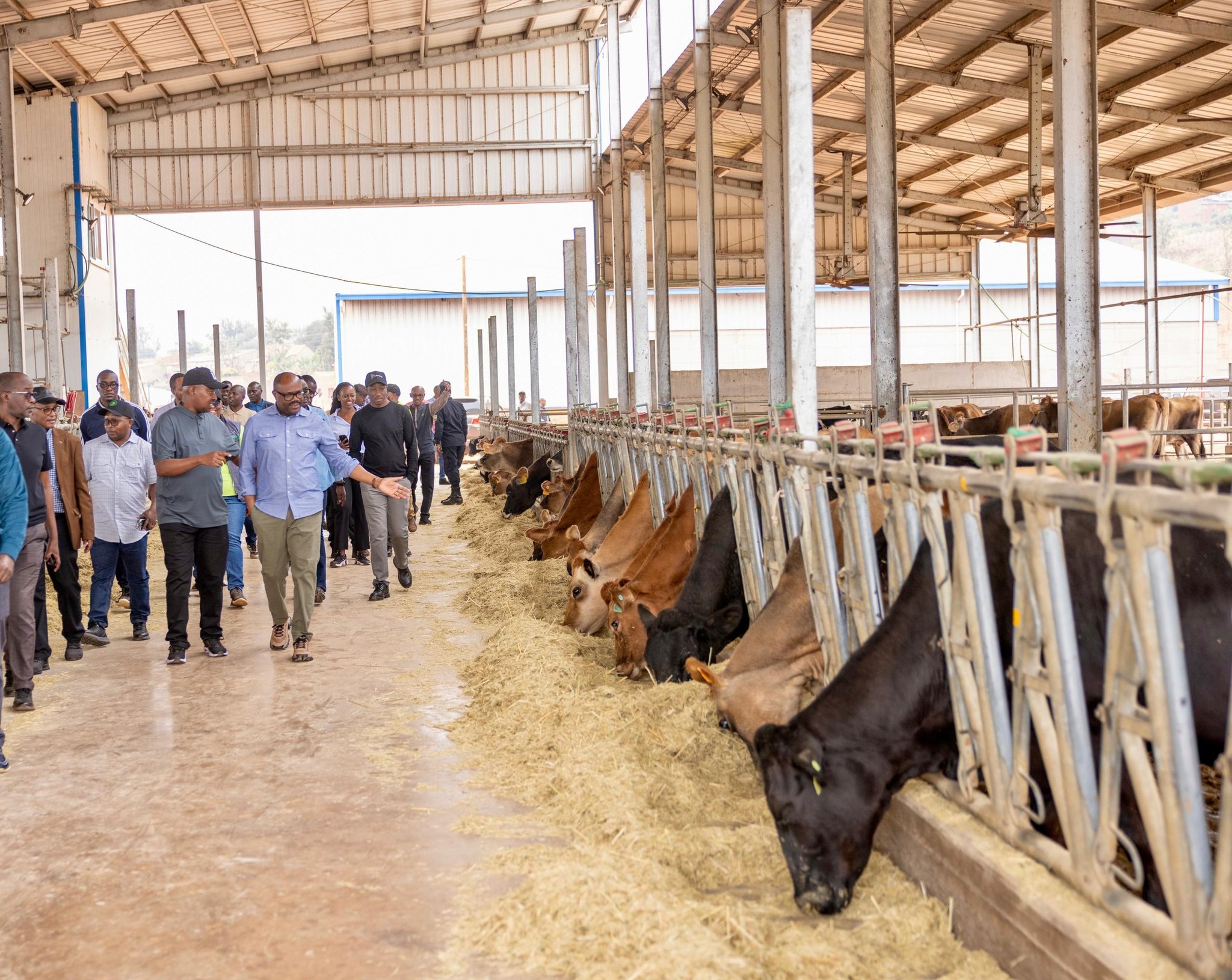
Since its launch, the Gabiro project has significantly boosted Rwanda’s “green revolution” agenda. It has created jobs, improved food security, and generated new income streams for rural communities.
In particular, it has supported the production of crops such as passion fruit, chili, French beans, avocado, and maize, while also facilitating livestock farming.
Additionally, the project is expected to benefit 1,402 households through lease fees and access to irrigated land.
It is projected to generate 4,000 jobs—half of which will be allocated to local residents—thereby injecting more than $5 million annually into community incomes.
Recently, Prime Minister Dr. Jean Nsengiyumva toured the hub’s operational farms, including Kinvest Farm and EA Agro Farm, which together cultivate more than 1,400 hectares of high-value crops.
His visit also included the Rwabiharamba Integrated Development Model Village, where 120 families relocated from project farmland have seen significant improvements in their living conditions.
Moreover, during his broader Nyagatare tour, the Prime Minister visited the Inyange Powder Milk Plant and East African Granite Industries.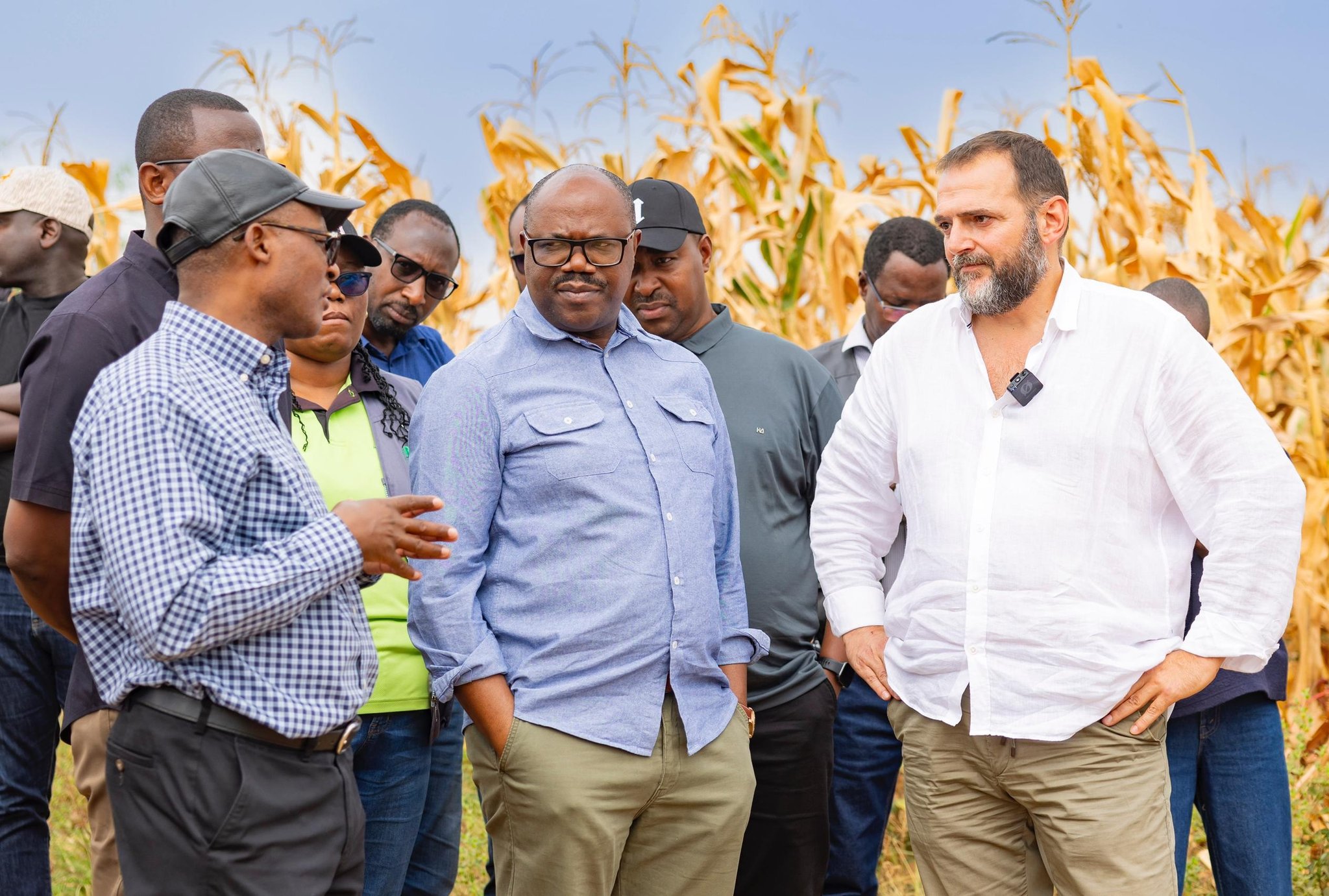
At both facilities, he commended the quality of their products and encouraged increased production to unlock greater opportunities in local and international markets.
Meanwhile, with Phase II on the horizon, the Gabiro Agribusiness Hub is poised to further deepen Rwanda’s agricultural transformation by enhancing agro-processing capacity, improving post-harvest handling, and creating a sustainable, competitive agricultural ecosystem.